Meet Zafar AI.

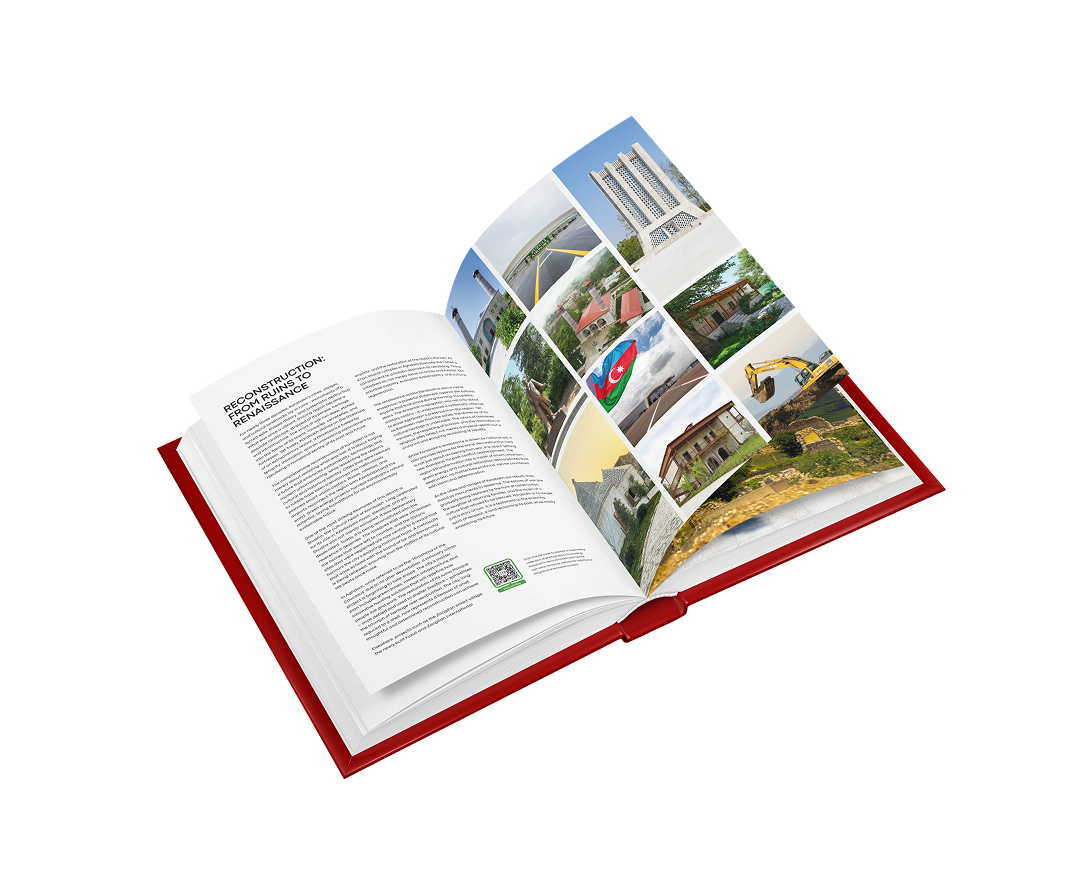
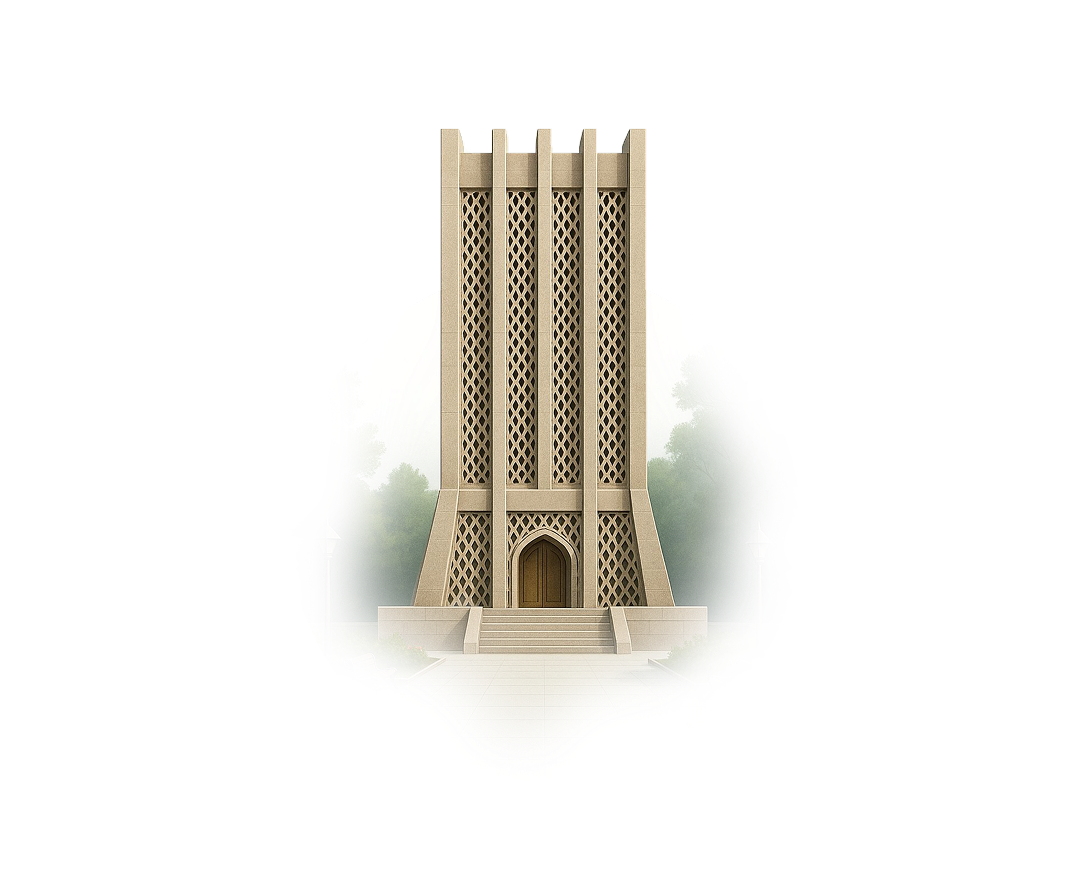
Zafar is an intelligent AI companion designed to illuminate Karabakh’s history, liberation, and ongoing reconstruction. Drawing on the insights of Graeme Wilson — author of Revival of Karabakh: The Story of Azerbaijan’s Renaissance — as well as expert interviews and dozens of presidential speeches, Zafar becomes a wise and welcoming guide through the unfolding story of Azerbaijan’s renaissance.
Start a conversation feniks

Ask a question.

Zafar AI is still in active development. We are constantly improving accuracy, knowledge, and user experience.
Thank you for being with us on this journey.
Tell me about the “Revival of Karabakh” book and its author
What happened during Armenian occupation of Karabakh?
Tell me about the “Revival of Karabakh” book and its author
Check for more questions below or ask yours

About Zafar AI.

Zafar is a well-trained AI companion, shaped by a deep understanding of Karabakh’s history, its liberation, and the ongoing reconstruction. Drawing on the book’s full knowledge base, expert interviews, and numerous presidential speeches, he serves as a wise and welcoming guide through Karabakh’s revival.

Just ask your question.

President’s Vision.

He has carefully studied more than 100 speeches delivered by H.E. President Ilham Aliyev since November 2020, gaining a deep understanding of his vision, policies, and progress in Karabakh.

Expert
opinions.

Zafar draws on more than 40 in-depth conversations the author held with respected leaders, thinkers, and eyewitnesses who shared their perspectives on Karabakh’s history, liberation, and recovery.

Insights from the book.

He has absorbed every theme, concept, and detail uncovered by Graeme Wilson during his extensive research and meticulous writing process.

Reconstruction Efforts.

From urban planning and economic initiatives to cultural revitalisation, Zafar understands what is being built — and how it is transforming the region.

Not sure where to begin?

Just click a question and Zafar will paste it into the chat and guide you from there.
What are the historical roots of the Karabakh conflict? How did the collapse of the Soviet Union influence the Karabakh conflict? Why did the OSCE Minsk Group fail to produce a durable solution? What is the significance of the Khojaly Massacre in shaping Azerbaijani identity? How did the Second Karabakh War shift the geopolitical balance? How is national reconciliation promoted in post-conflict policy? How does Azerbaijan’s foreign policy integrate with post-conflict recovery? What is the purpose of Karabakh’s Special Economic Zones? How are industrial parks transforming Karabakh’s economy? What role does transport infrastructure play in regional recovery? What are the government’s tools for stimulating entrepreneurship in Karabakh?
How are energy policies shaping Karabakh’s reconstruction? What is the vision for Smart Cities and Smart Villages in Karabakh? How is agricultural revival prioritized in post-conflict planning? What are the goals of circular economy efforts in the liberated areas? How do economic reforms in Karabakh align with national strategies? Why is education considered central to Karabakh’s future? What is the symbolic importance of Karabakh University? How is digital education shaping Karabakh’s learning system? What inclusive measures support vulnerable returnee populations? How does sport, especially Qarabağ FK, influence national morale? What cultural strategies are used to preserve memory and identity?
How is the healthcare system being rebuilt in Karabakh? How are housing projects supporting the Great Return? What is the role of youth in shaping Karabakh’s future? What is the role of Presidential Special Representatives? How is decentralization implemented in the liberated territories? What administrative innovations support rapid development? What is agile governance and how is it applied in Karabakh? What are PLEs and why are they effective? How are interagency efforts coordinated in the field? How is trust being rebuilt between the state and returnees? What is the long-term vision for governance in Karabakh?