Ecocide in Karabakh

Ecocide in Karabakh

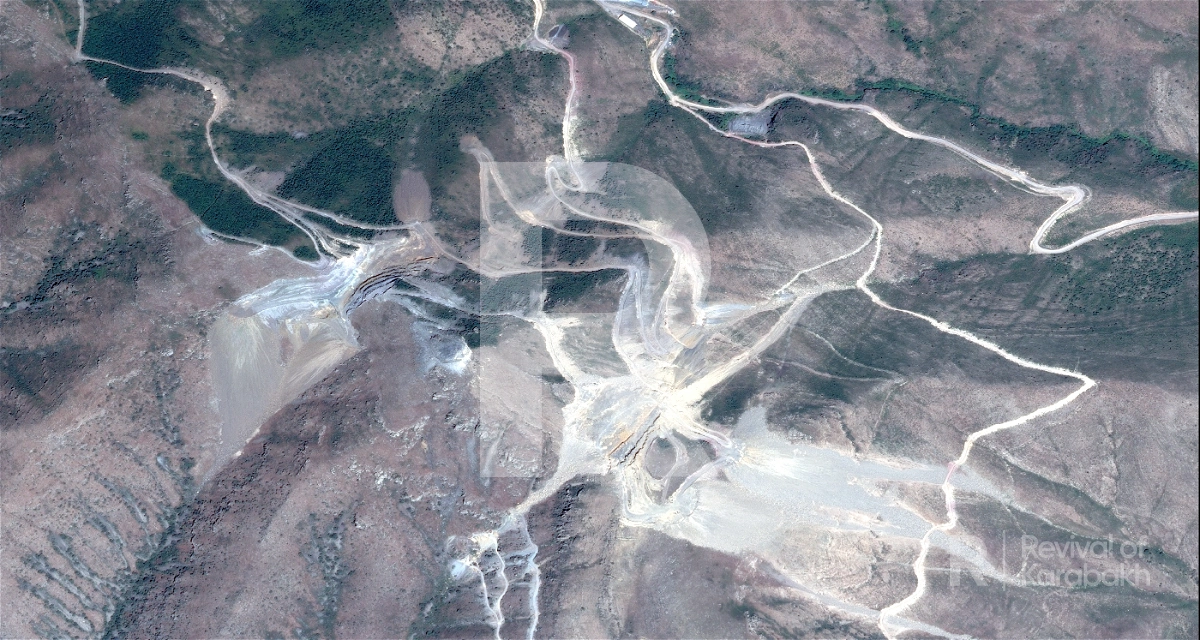
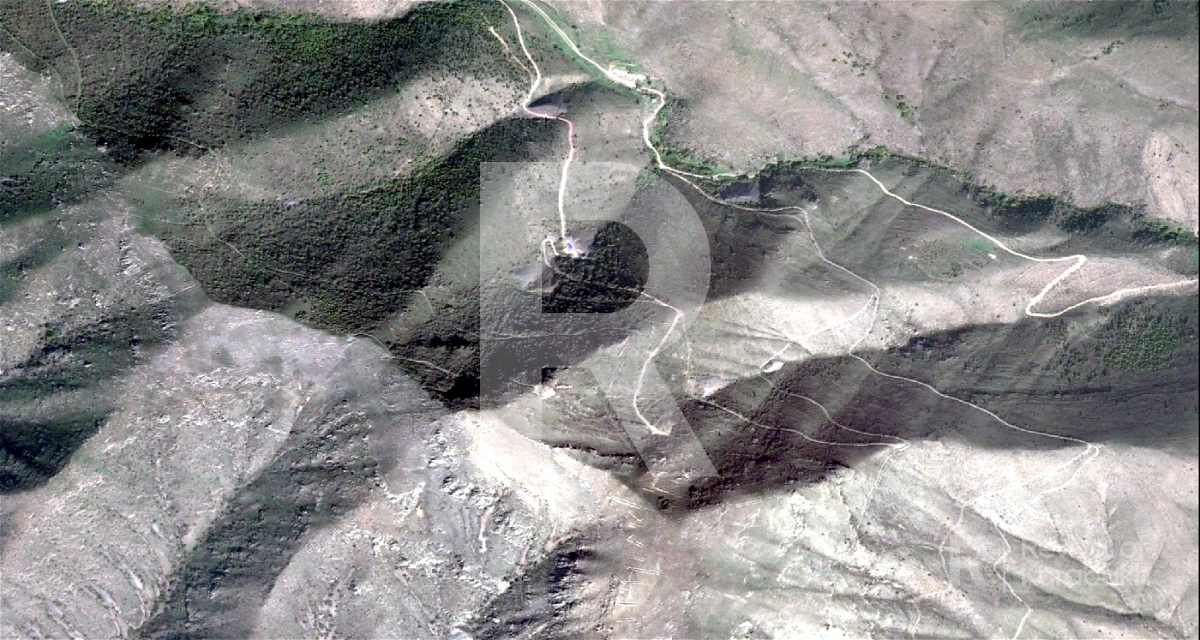
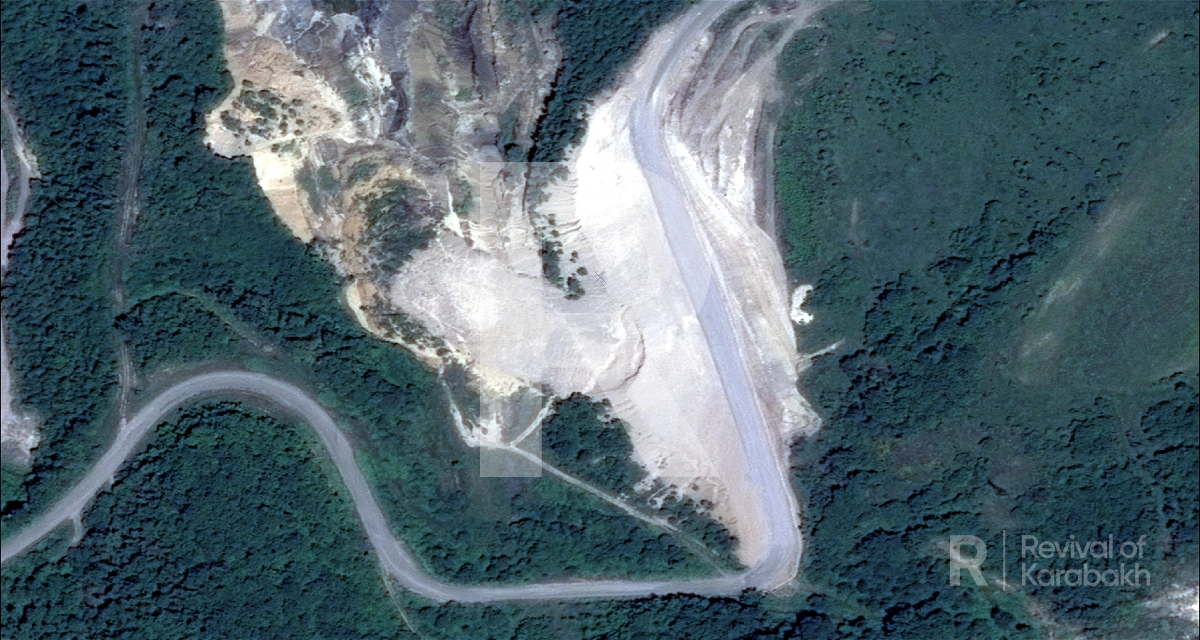
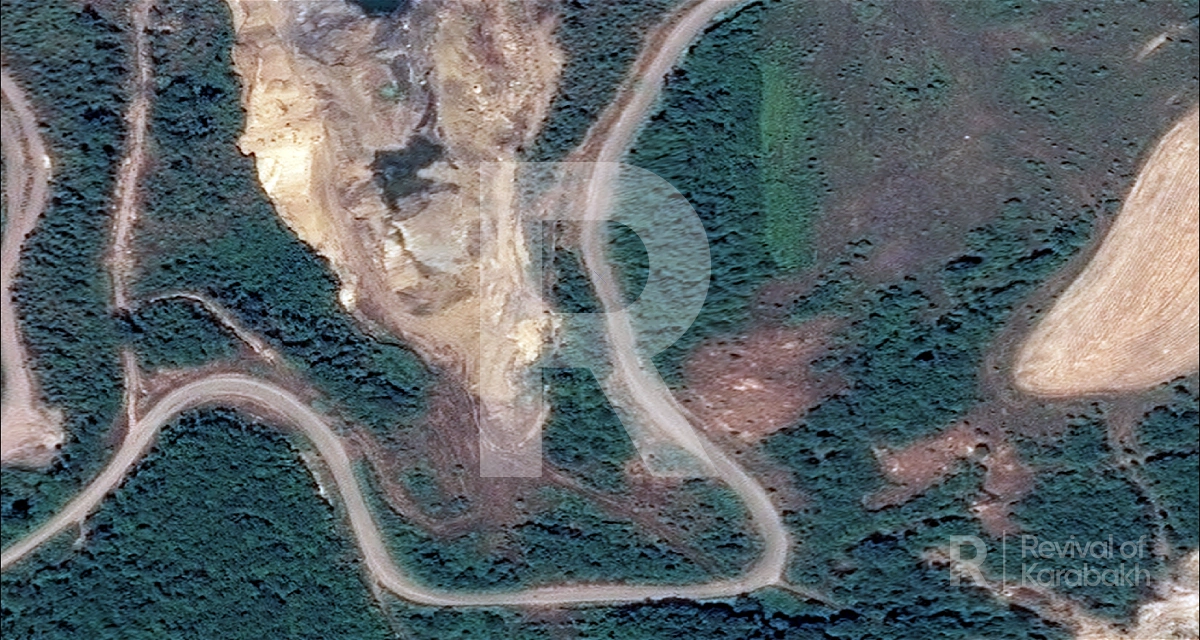
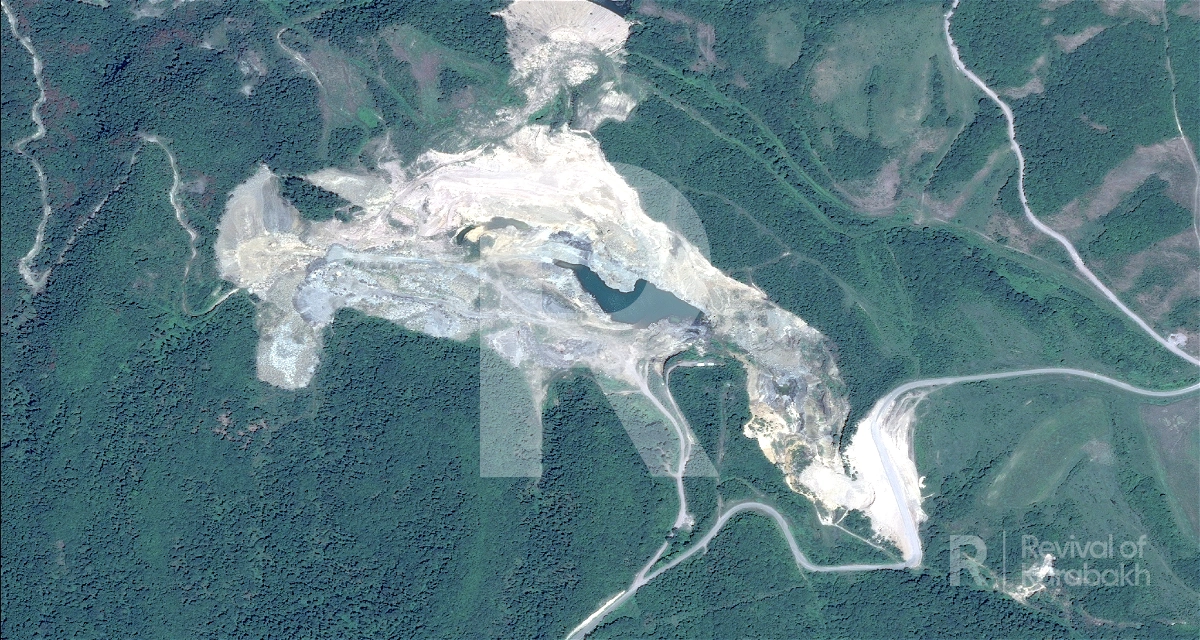
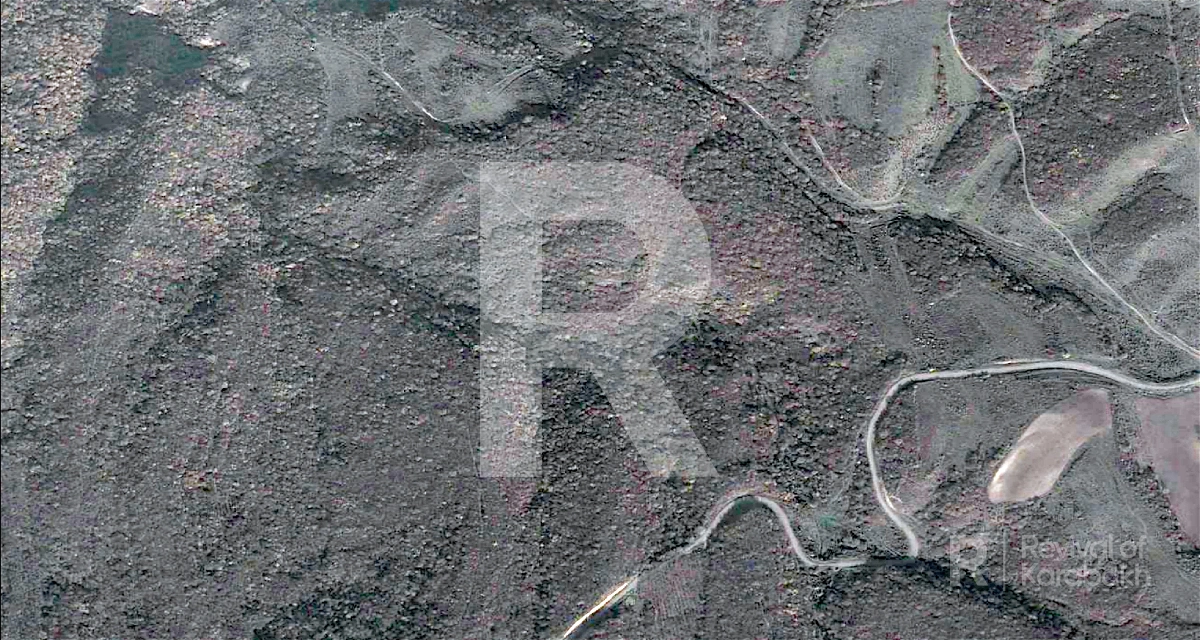
The satellite images vividly document the ecocide committed during the Armenian occupation of Karabakh. Illegal mining activities in areas such as Zod, Gyzylbulag and Vejnaly, coupled with widespread deforestation near villages like Chardagly, led to the destruction of forests, severe land degradation, and pollution of ecosystems.

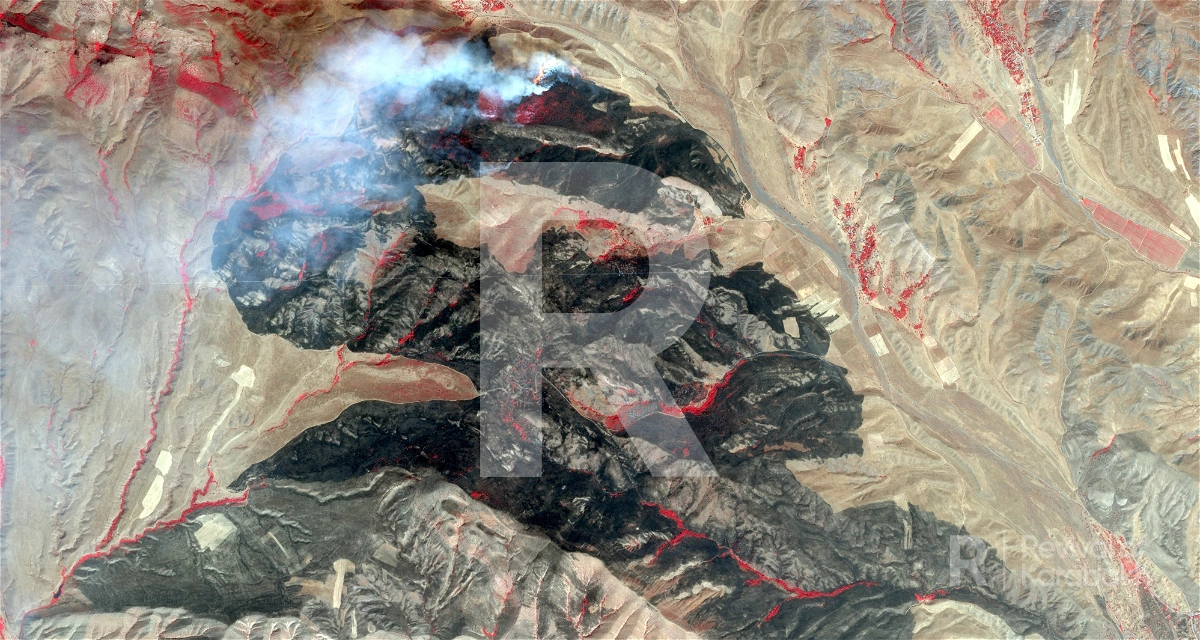
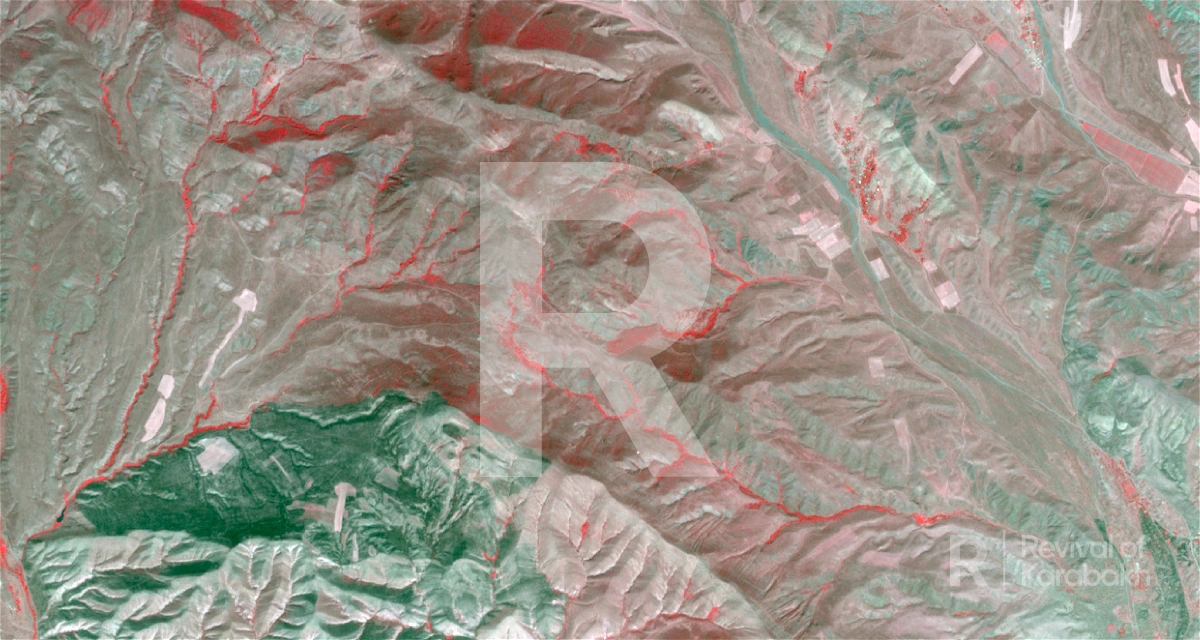
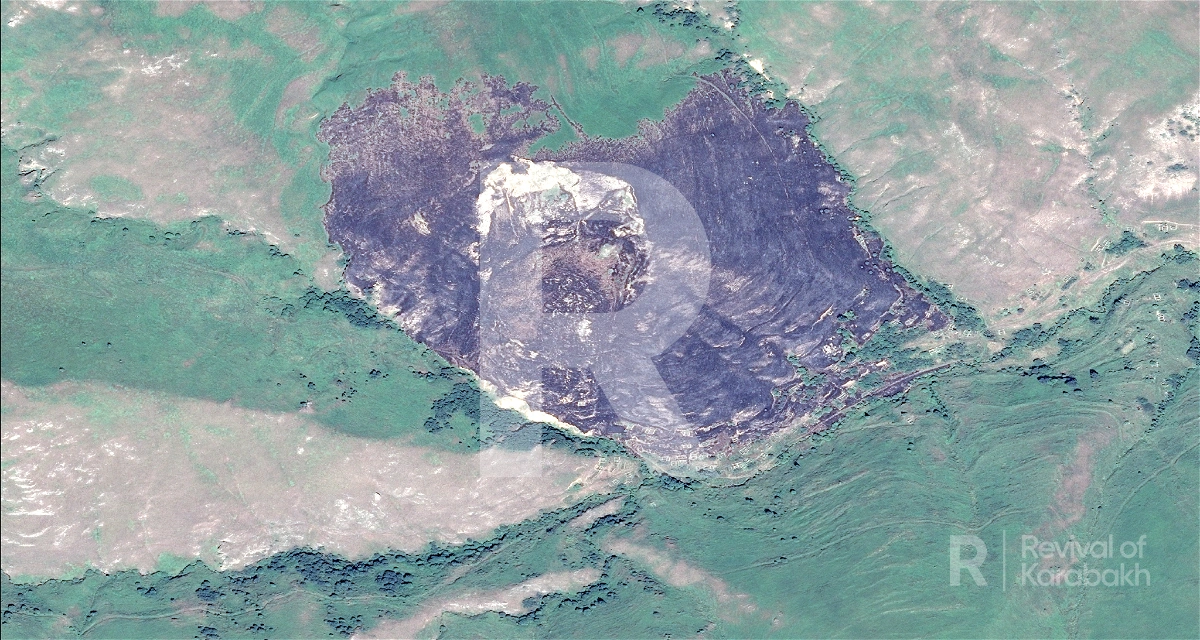
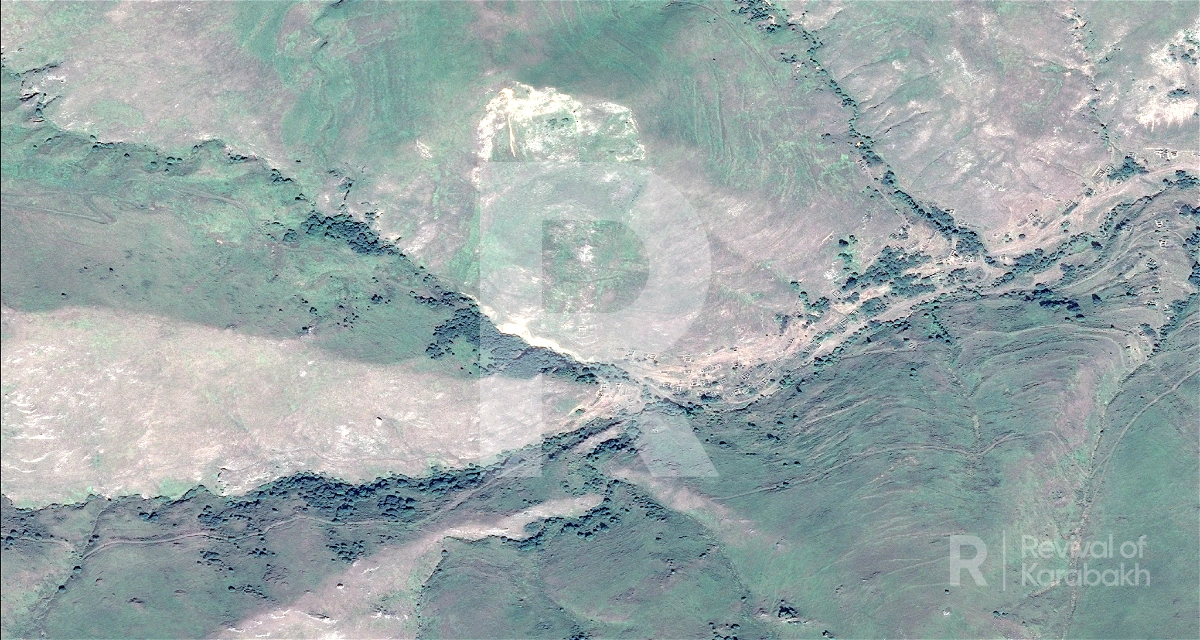
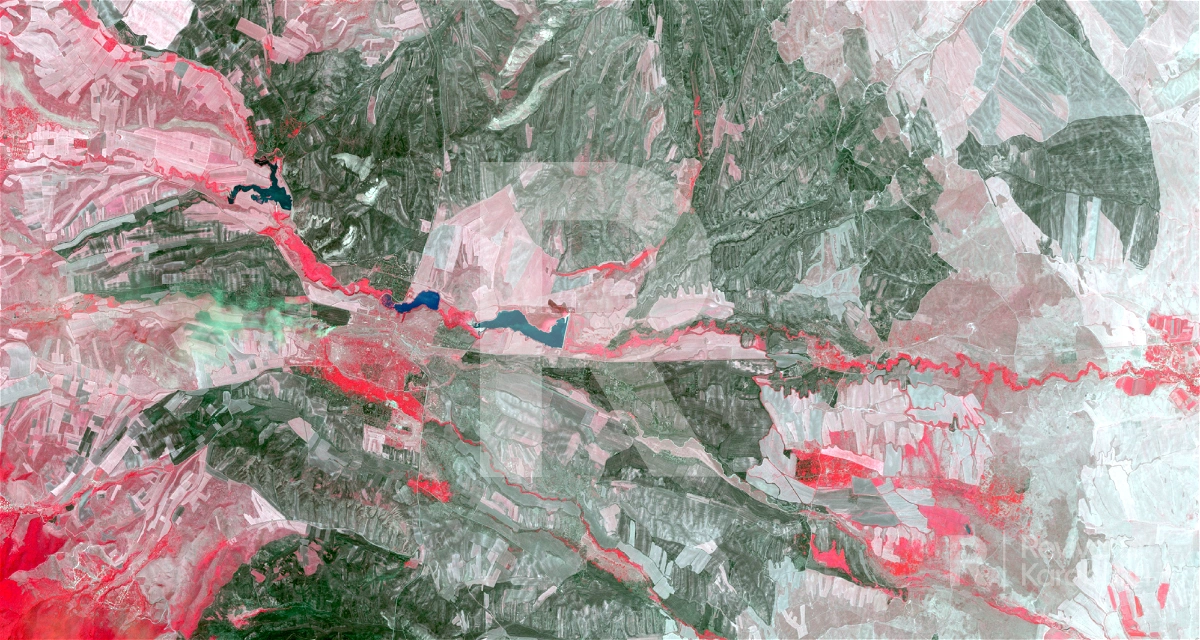
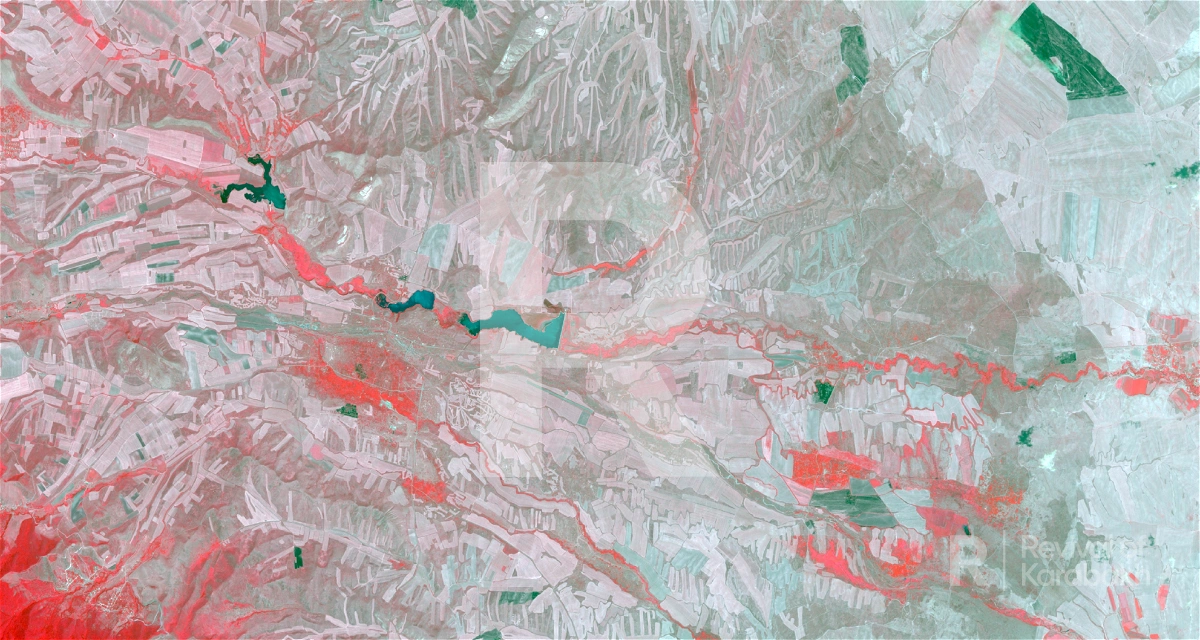
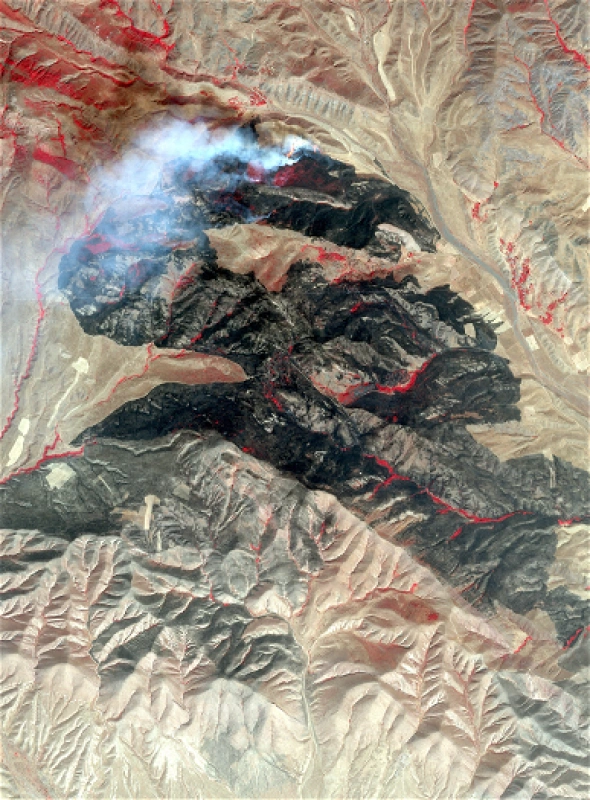
Burned areas spanning dozens of kilometers further illustrate the deliberate environmental devastation inflicted on the occupied territories.

This ecocide represents not only a violation of Karabakh’s natural heritage but also a crime against humanity, as it threatens ecosystems, biodiversity, and future generations. Those responsible for these heinous acts must be brought to justice in international courts, as the systematic destruction of nature is a grave violation of international law.

These images stand as evidence of these crimes and underscore the urgent need for restoration and accountability.
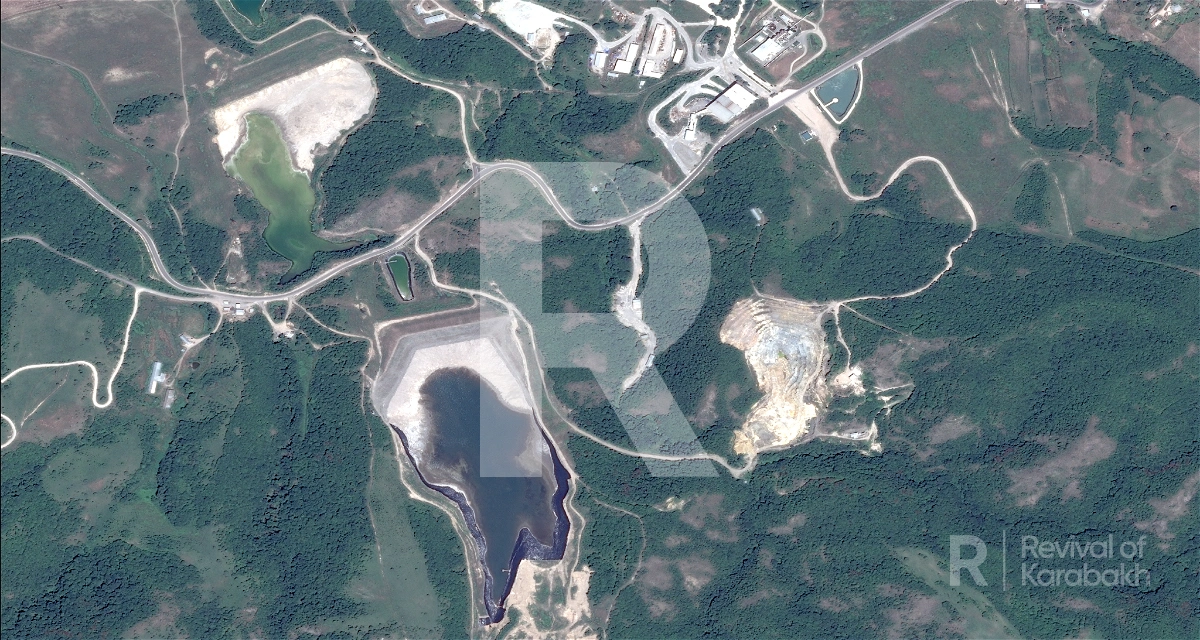
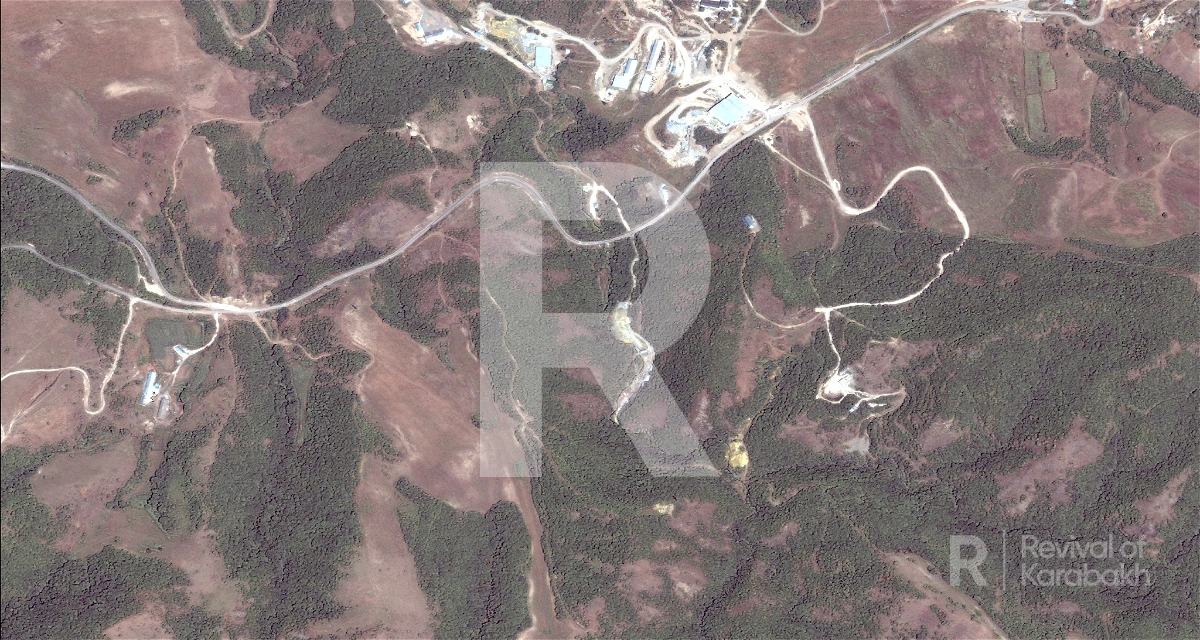
Over a decade of intensified mining has led to severe land degradation around the Gyzylbulag underground mine. Once-thriving vegetation has been stripped away, leaving behind deforested areas, barren land, and industrial waste contamination. Kalbajar District. July 27, 2005 / July 2, 2017.Photo: Azercosmos OJSC
In a matter of days, vast fires have engulfed the area, leaving behind a scorched and lifeless expanse. Whether deliberately set or caused by negligence, these fires under Armenian occupation have accelerated environmental degradation, turning fertile land into a burned wasteland. Khojavand and Jabrayil districts. September 6, 2018 / September 10, 2018.Photo: Azercosmos OJSC
Over a decade of illegal mining under Armenian occupation has severely degraded the 70.10-hectare site. Vast portions of land have been stripped bare, with deforestation, excavation scars, and industrial waste replacing the once-thriving environment. This unsanctioned extraction of Azerbaijan’s natural resources caused irreversible ecological damage. Zangilan district. October 24, 2005 / June 19, 2017Photo: Azercosmos OJSC
Two years later, expanded mining operations have caused severe deforestation and land degradation. The once-green surroundings are now scarred by large-scale extraction, resulting in an ecological disaster. Kalbajar district. August 7, 2015 / August 4, 2017Photo: Azercosmos OJSC
Widespread illegal mining and deforestation under Armenian occupation have devastated the landscape. Large swathes of forest have been cleared, leaving behind barren land and industrial scars. Tartar district. July 26, 2015 / July 2, 2017.Photo: Azercosmos OJSC
Years of unregulated mining and large-scale deforestation under Armenian occupation have severely damaged the ecosystem. Once-thriving forests have been cleared, exposing vast areas of barren land. Tartar district. November 15, 2010 / July 2, 2017Photo: Azercosmos OJSC
Within weeks, large-scale fires have devastated the area, leaving behind a barren landscape. Whether intentionally set or the result of negligence, the fires under Armenian occupation have caused severe environmental destruction, stripping the land of its vegetation and ecological balance. Fuzuli district. July 13, 2018 / August 2, 2018Photo: Azercosmos OJSC