 The Resilient Beauty
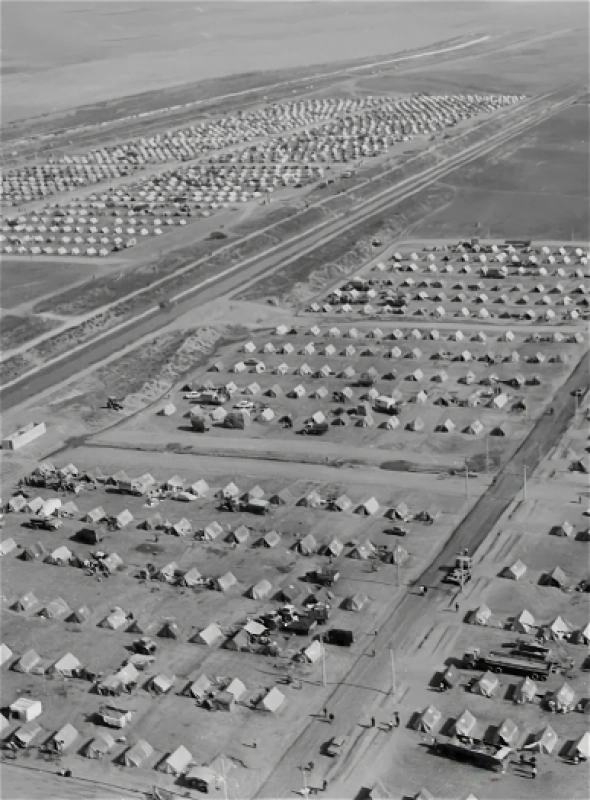
In the early 1990s, following the occupation of Azerbaijani lands by Armenian forces, hundreds of thousands of Azerbaijanis were displaced from their homes, becoming internally displaced persons (IDPs).
The initial years following occupation were marked by extreme hardship, as IDPs were forced to live in makeshift shelters, abandoned railway cars, and tent camps, enduring severe shortages of food, water, and basic amenities.
Under the leadership of National leader Heydar Aliyev, Azerbaijan began a significant effort to improve living conditions for these displaced citizens. This mission, later continued by President Ilham Aliyev, aimed to alleviate the dire conditions they faced, providing them with essential services and temporary housing while they waited to return to their homes.
These photographs offer a glimpse into the harsh realities of those early years, reflecting both the grievous challenges they endured and the resilience they would require in order to survive.
The unwavering commitment of Azerbaijan’s leadership played a crucial role in supporting IDPs until the triumphant liberation of Karabakh.
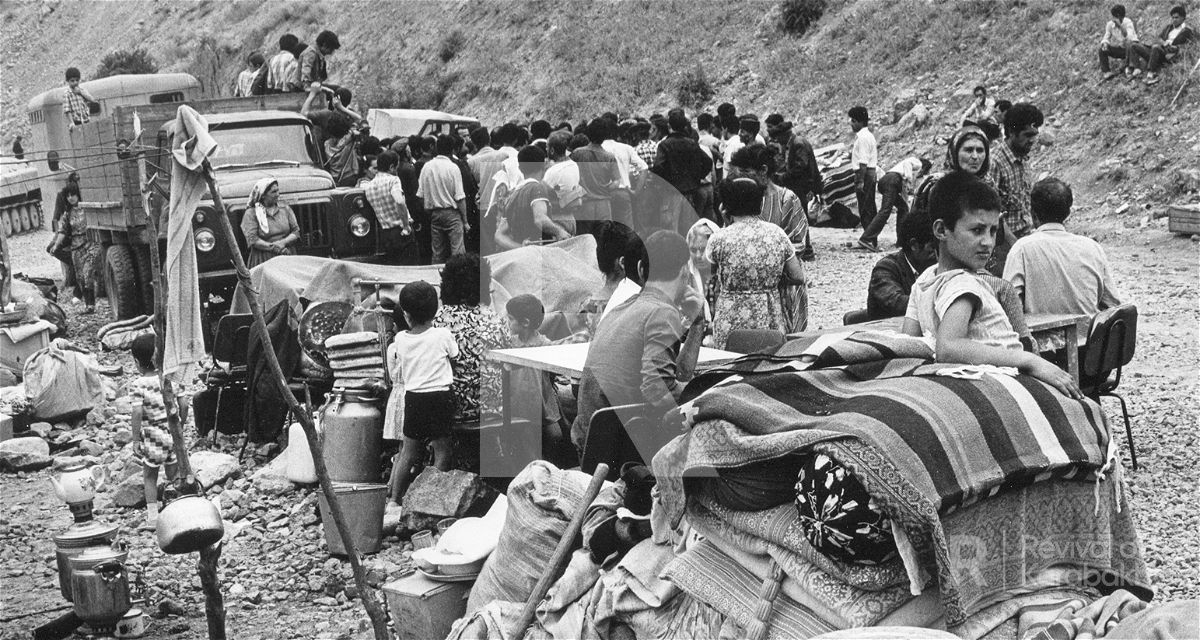 Many families, displaced from their homeland by occupying forces, were forced to leave behind everything they owned. In a single day, they not only lost homes and belongings but also endured the unbearable tragedy of losing loved ones.
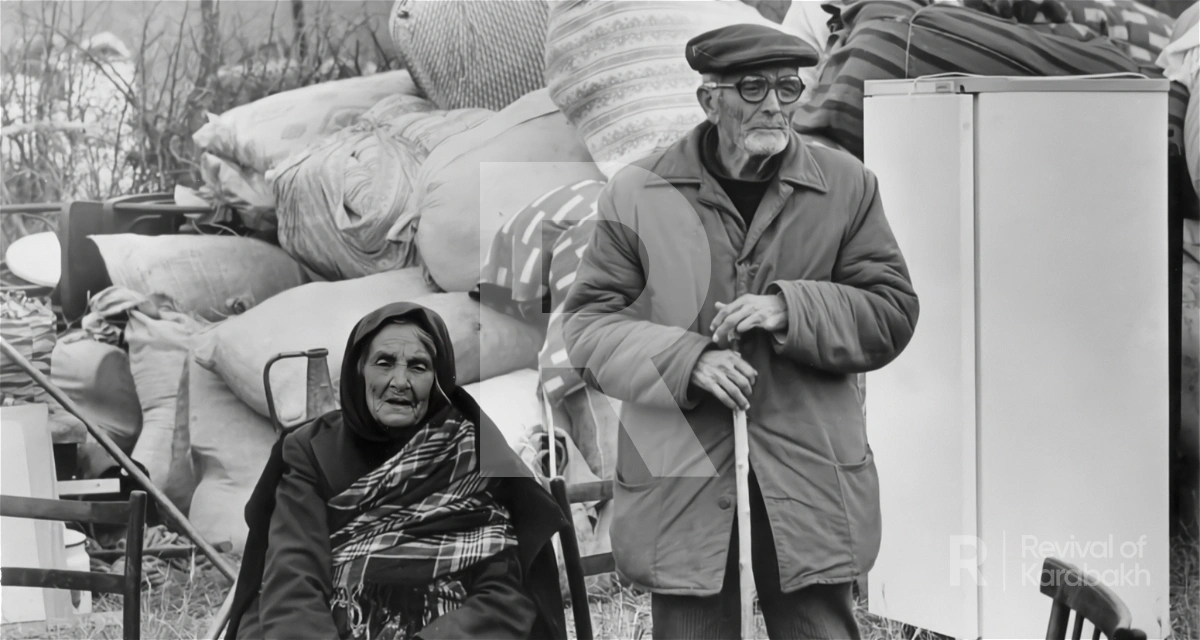 Despite advancing years, many were forced to endure a life of displacement, never returning to the land they once called home. Countless individuals passed away, carrying with them an unfulfilled longing for their homeland.
 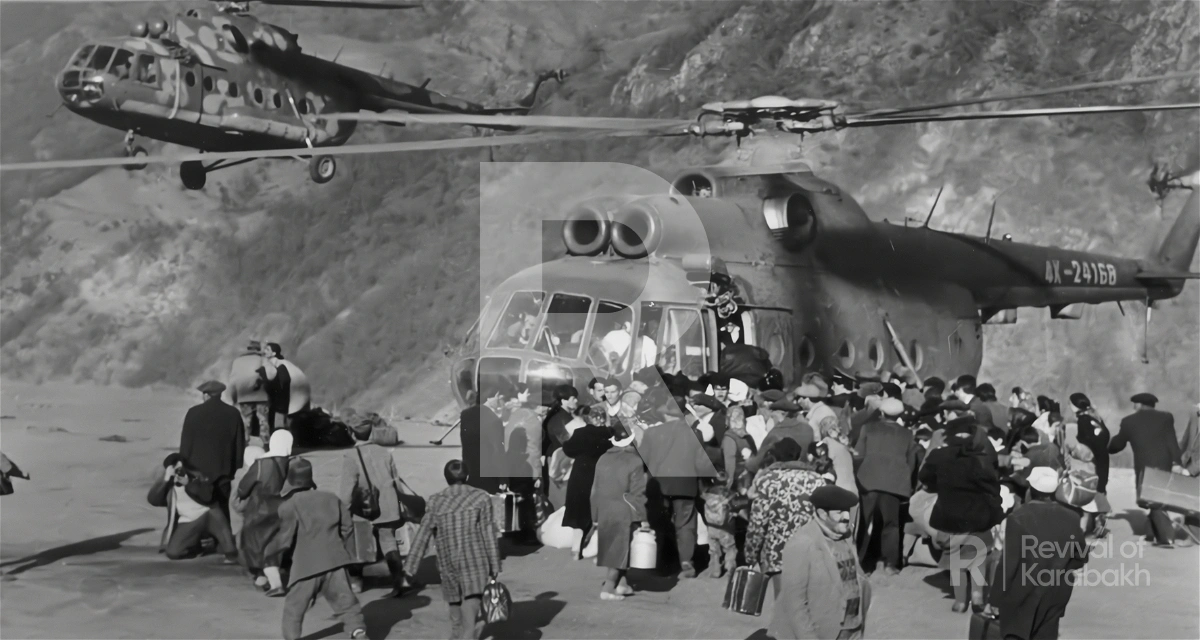 Military helicopters were used to evacuate civilians who found themselves face-to-face with the enemy. Despite having a capacity of 24 passengers, these helicopters often carried far more, in a desperate attempt to save as many lives as possible.
 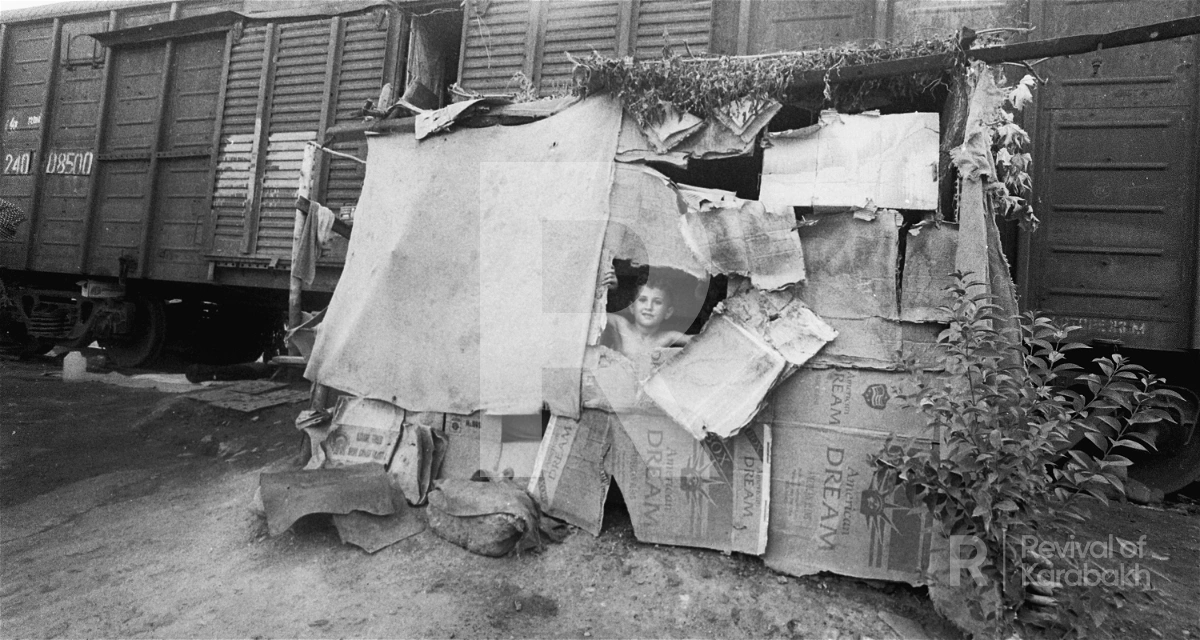 A young boy living with his family in a train carriage, forcibly displaced by war. At a tender age, he was to experience the hardships and sorrow that the occupation inflicted upon the Azerbaijani people.
 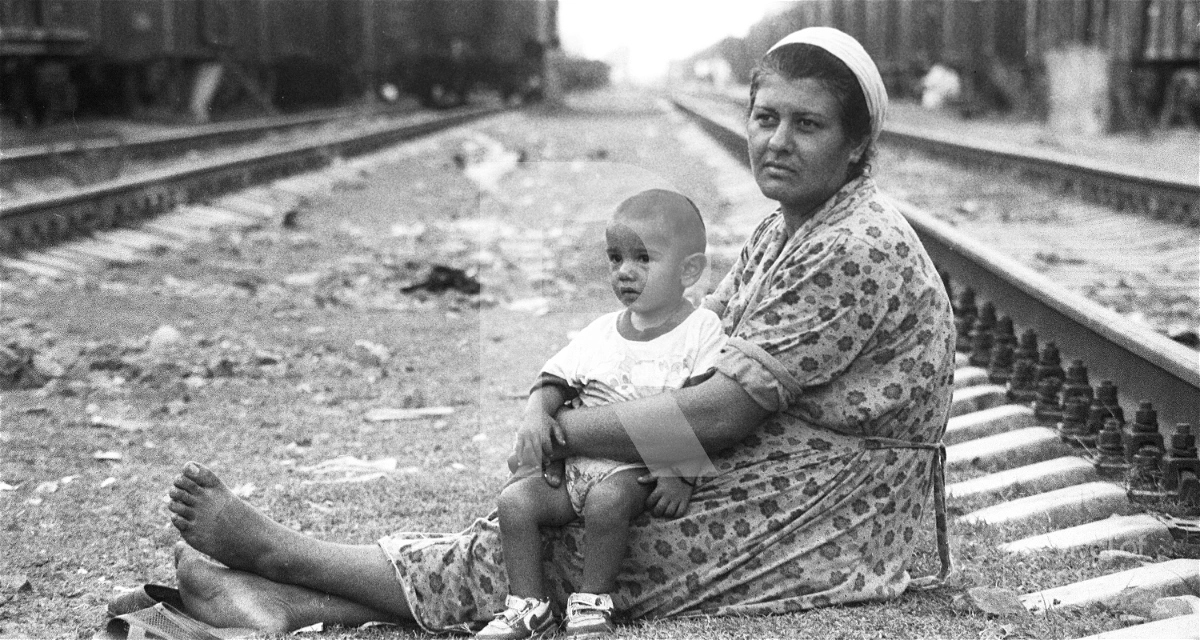 A mother and her young child, displaced from their homeland, find refuge at a railway station. During the initial years following the occupation, countless Azerbaijanis, forcibly expelled from their homes, were left to endure such harrowing and uncertain conditions before the state provided temporary housing and eventually phased out tent camps.
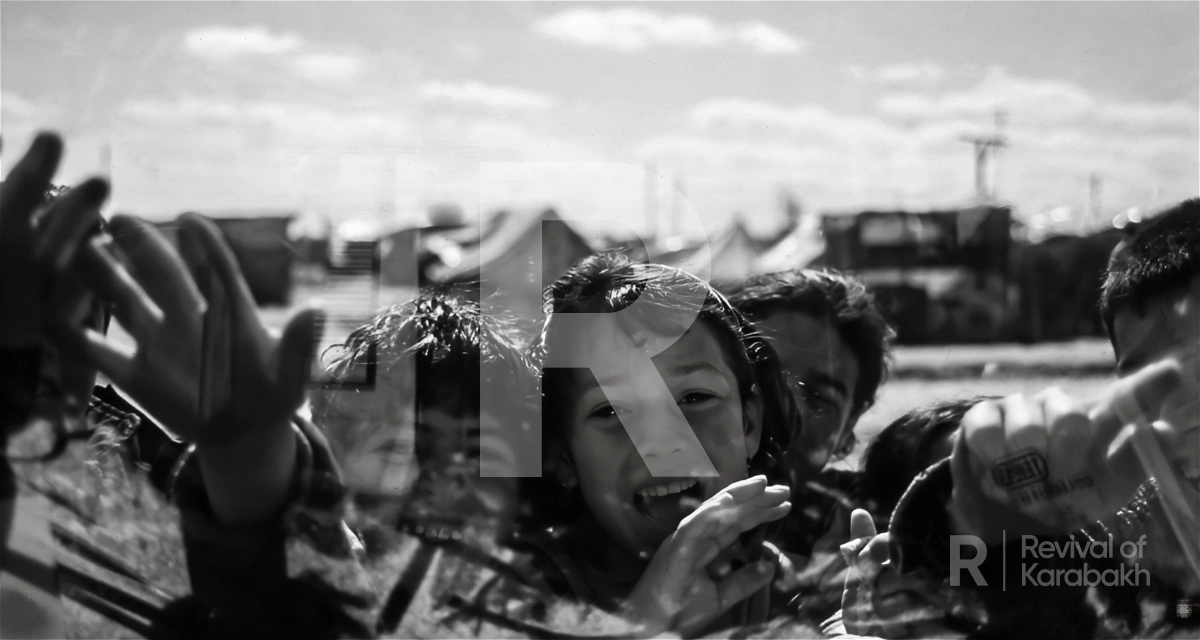 Azerbaijani children in a refugee camp, forced from their homes in Karabakh by the agression. Despite the hardships of displacement, their joyous smiles reflect resilience and hope for a better future.
 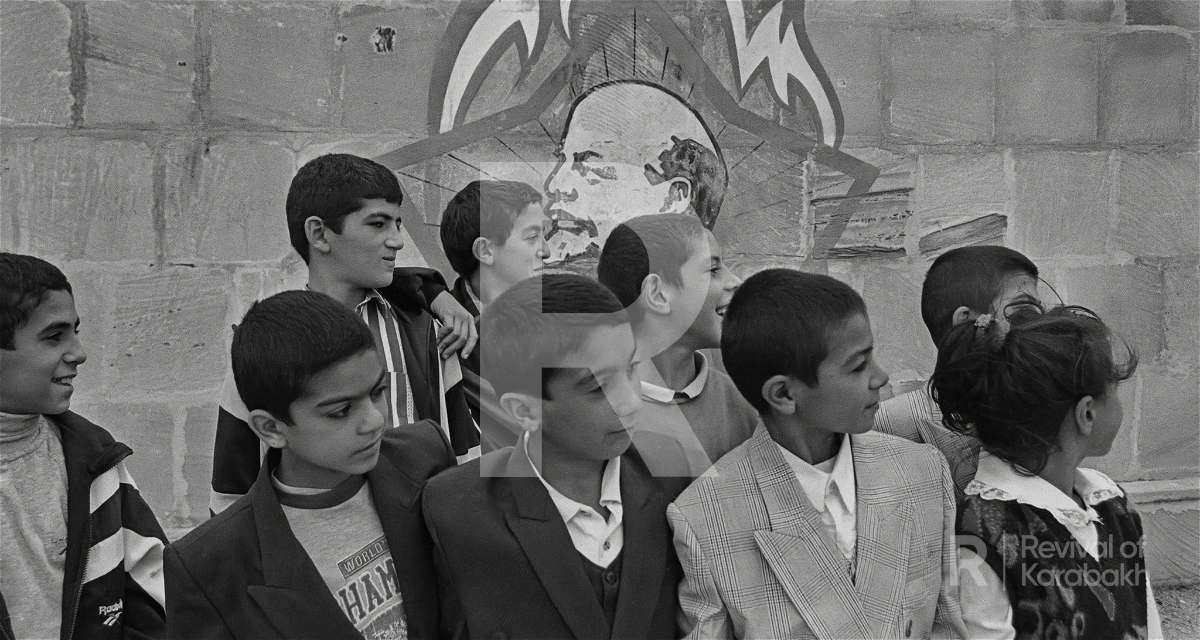 Azerbaijani children dispossessed by war, growing up far from their homeland. Many decades later, following victory in the Patriotic War (2020), they will return to their ancestral homes, reclaiming what was lost and rebuilding their collective futures.
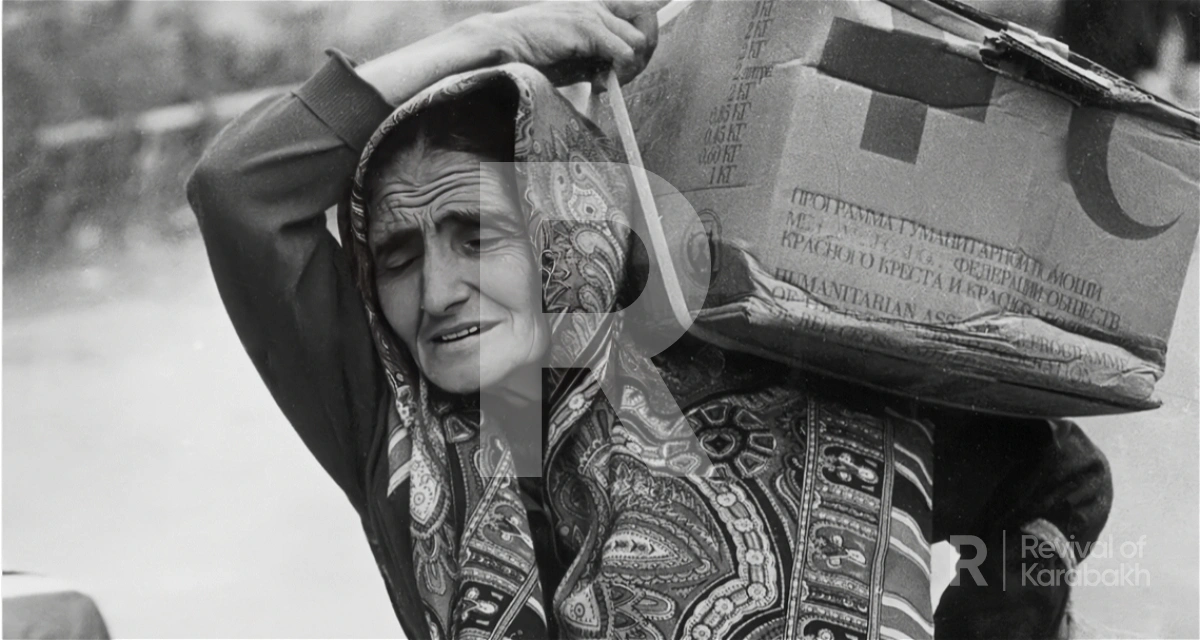 A displaced Azerbaijani woman with her grandson. The pain and suffering etched on her face reflects the hardships of war and forced displacement caused by the Armenian occupation, a sorrow shared by the hundreds of thousands who lost their homes.
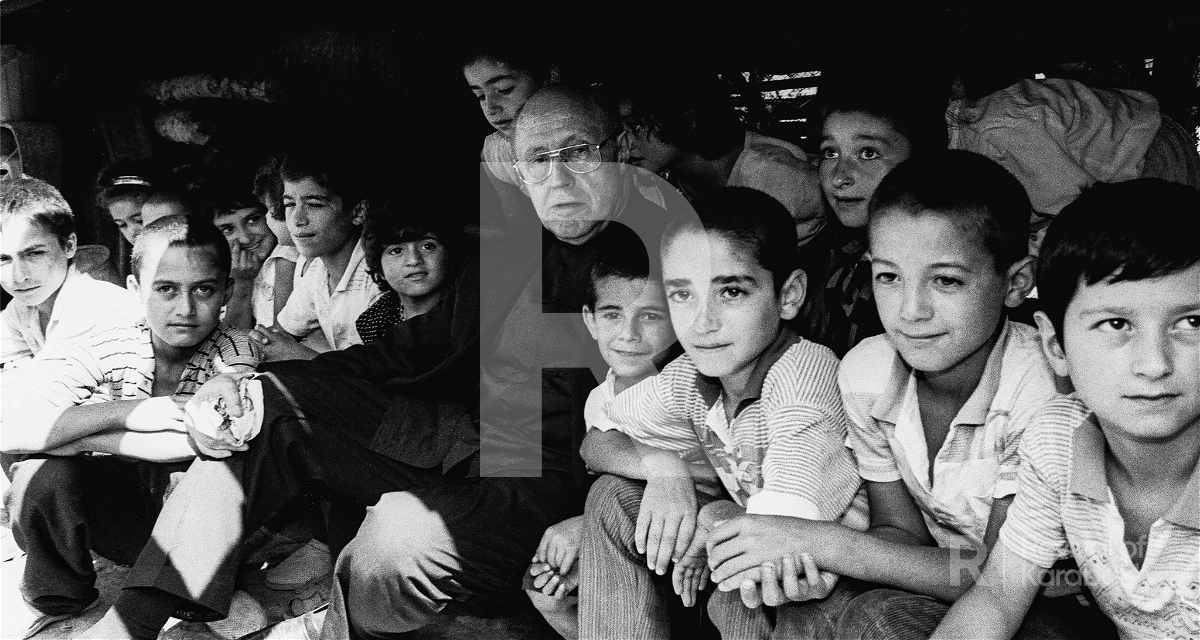 World-renowned musician Mstislav Rostropovich with Azerbaijani IDP children. Born and raised in Baku, Rostropovich, a legendary cellist and conductor, visited displaced families, showing solidarity with those who had lost their homes due to the occupation and suffering from the hardships of war.
 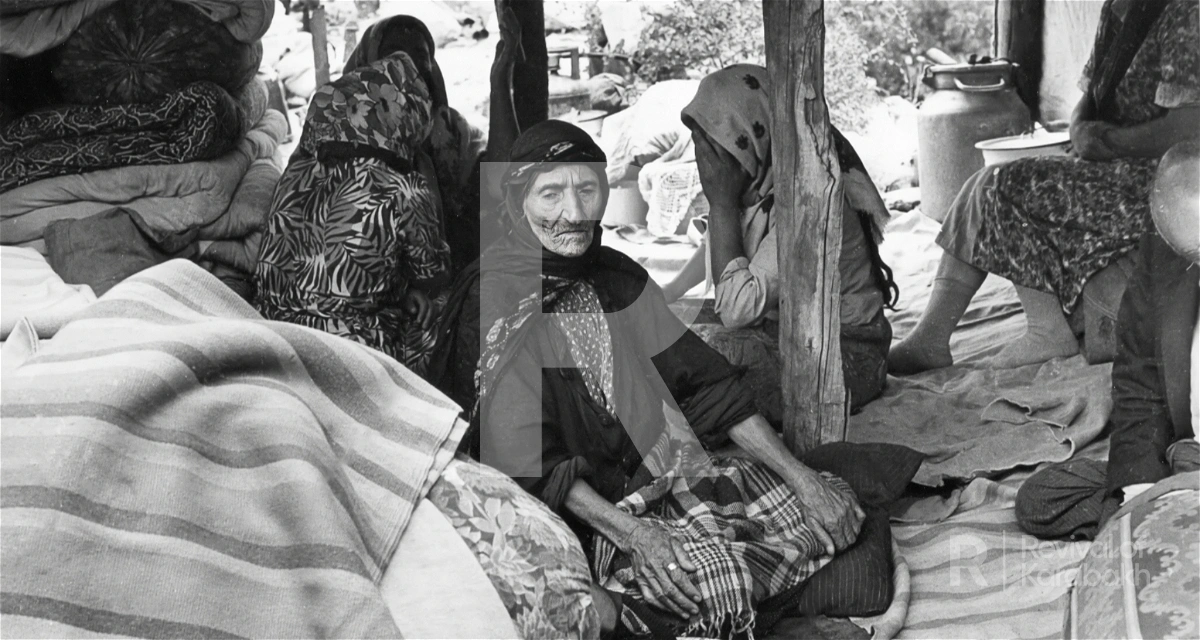 Women uprooted from their homeland. Few can comprehend the true horrors of war as deeply as those who have lived through its devastation and lost almost everything.
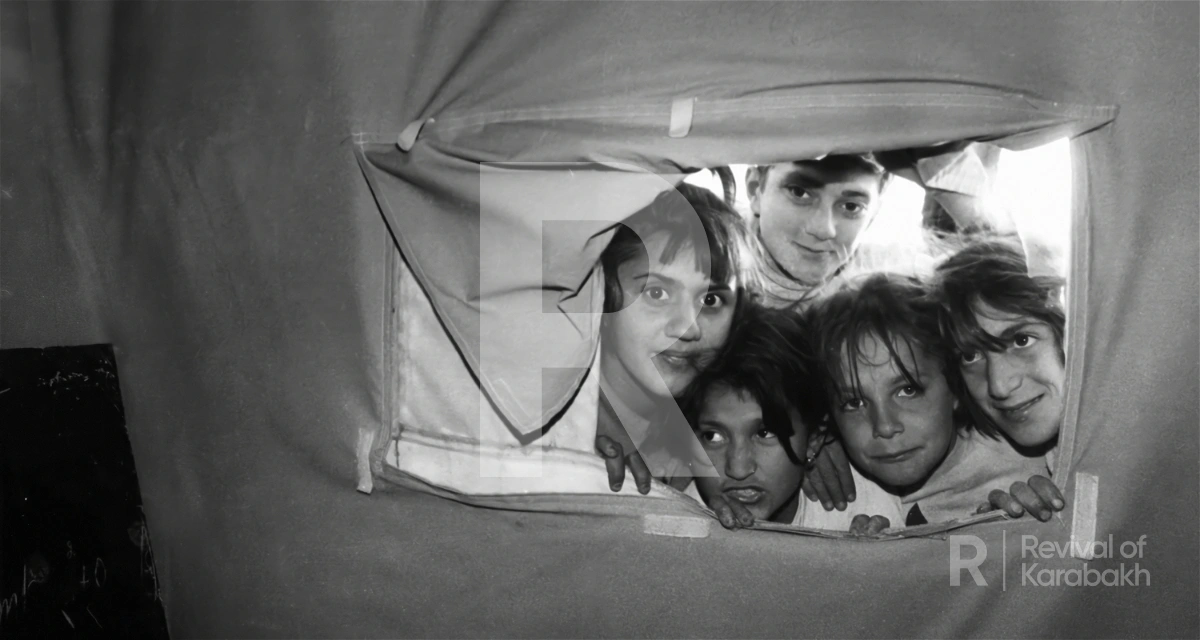 Children are perhaps the most traumatised victims of war. Even those who survive endure deep emotional scars, carrying the trauma of conflict for the rest of their lives.
 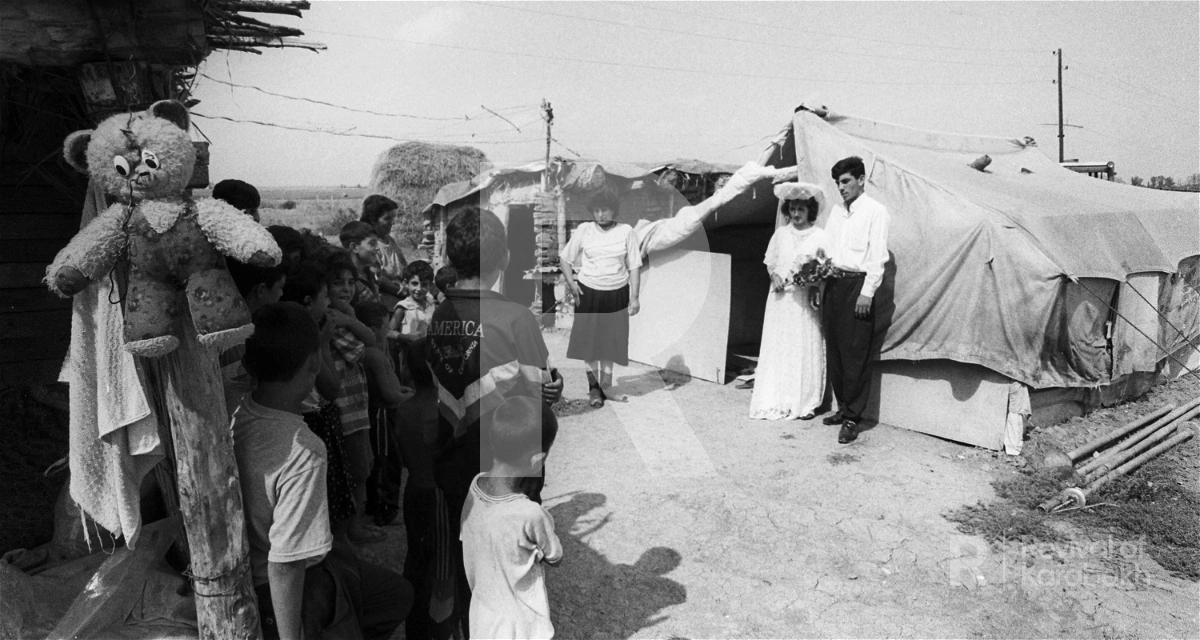 The wedding of an Azerbaijani IDP couple. A moment of joy and tendernes amid the grievous horrors displacement. Tartar, 1996.
 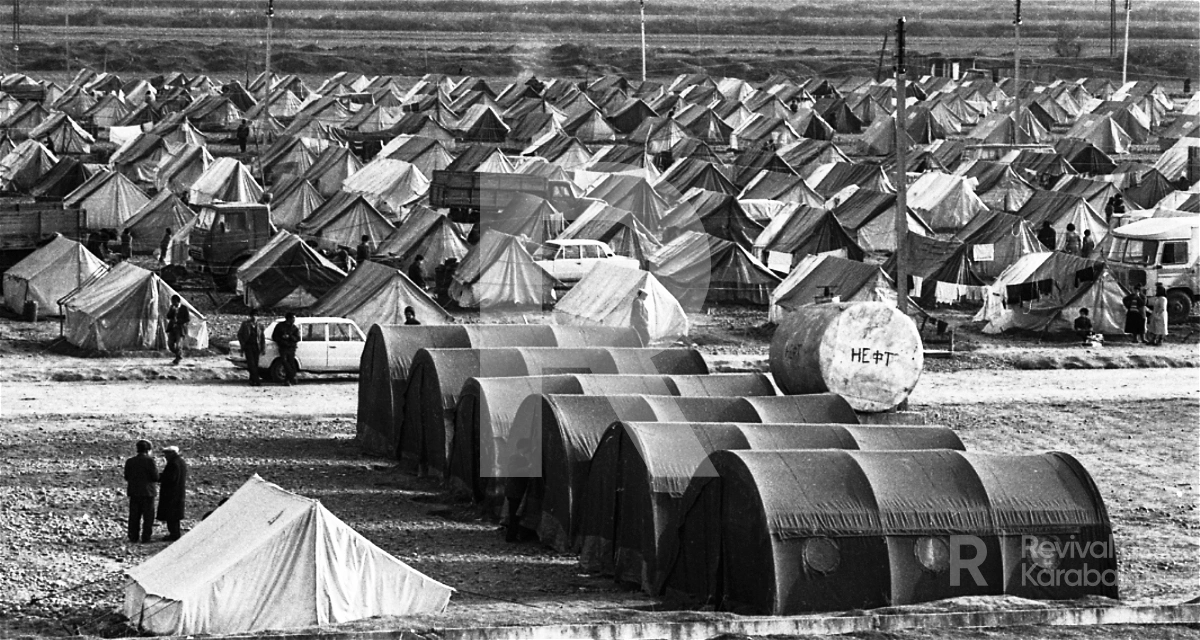 A tent camp established for internally displaced persons (IDPs) of the First Karabakh War. Thousands of Azerbaijanis endured harsh living conditions in these camps, with the last one only being dismantled a decade after the ceasefire between Azerbaijan and Armenia.
 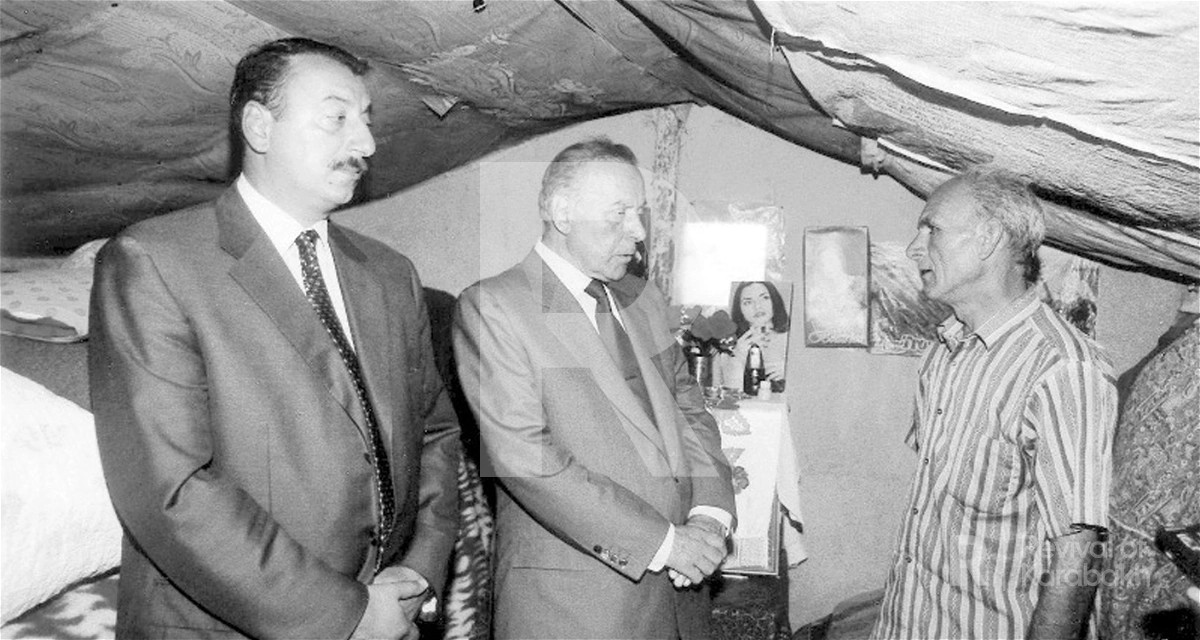 National leader Heydar Aliyev and his son, Ilham Aliyev, visit a temporary tent camp to assess the living conditions of those displaced. Heydar Aliyev viewed improving the welfare of Karabakh’s uprooted citizens as one of the nation’s most pressing and vital responsibilities.
 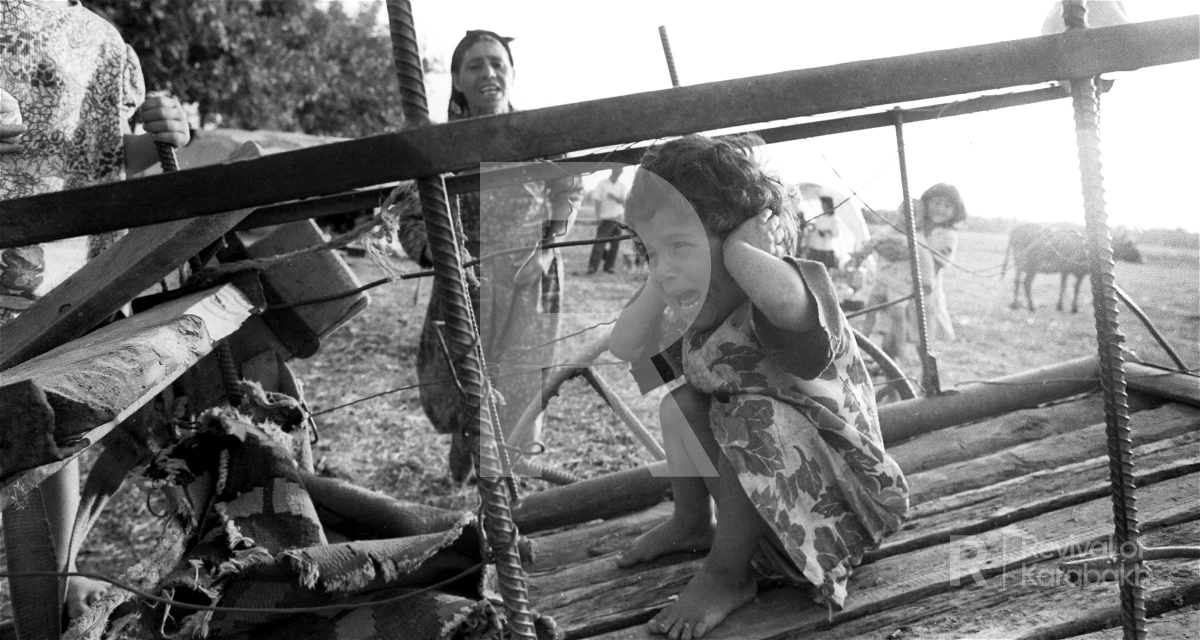 There is no sound more deafening and terrifying than that of war. And it is children who suffer the most, bearing the deepest scars of its horrors.