 Reconstruction: From Ruins to Renaissance
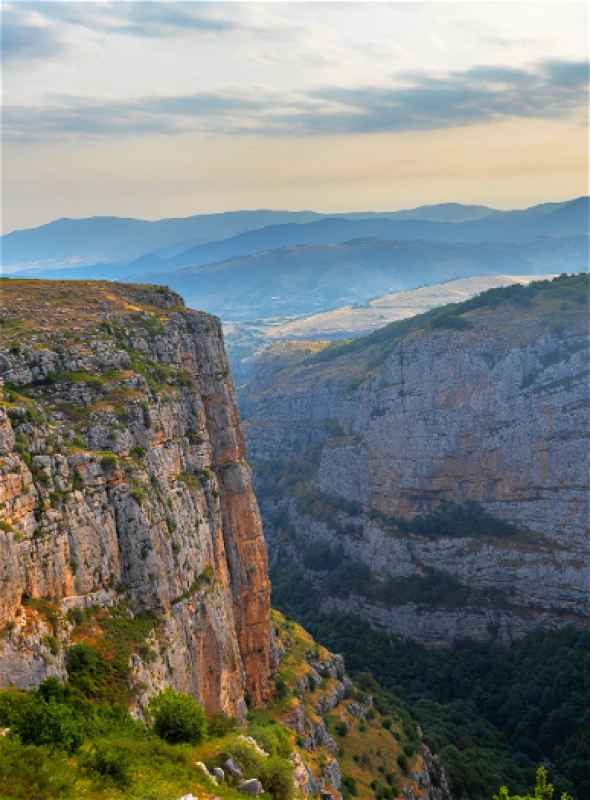
Even in the face of war, occupation, and decades of relentless exploitation, the land of Karabakh stands as a testament to the enduring power of nature. Wounded but not defeated, its mountains, rivers, and forests have shown a remarkable ability to heal.
Azerbaijan’s commitment to sustainable development extends beyond renewable energy, to the restoration of its natural landscapes and water resources. Just as solar, hydro and wind projects are shaping Karabakh’s energy future, efforts to rehabilitate its rivers, forests, and reservoirs are ensuring ecological balance and sustainability. Now, with Azerbaijan taking decisive steps to restore and protect its natural environment, the revival of Karabakh’s breathtaking landscapes is well underway.
For three decades, uncontrolled deforestation, illegal mining, and environmental neglect left deep scars on this once-pristine land. Rivers were polluted, forests stripped bare, and fragile ecosystems disrupted by reckless exploitation.
Yet, when the occupation ended, Azerbaijan halted the destructive exploitation and launched extensive efforts to rehabilitate the land. Reforestation projects, stricter environmental protections, and the restoration of water sources have begun reversing the damage, allowing Karabakh’s flora and fauna to flourish once again.
Lachin, with its rolling hills and dense forests, once suffered from rampant illegal logging. Now, conservation efforts are in place to protect its woodlands, and biodiversity is gradually returning. As a green gateway to Karabakh, it offers panoramic views that stretch across untouched landscapes, symbolising resilience and renewal.
Kalbajar, known for its majestic mountains rich in gold, bore the brunt of unregulated mining, which ravaged its lands and poisoned its waters. Today, however, the region’s famous Isti Su hot springs, long celebrated for their healing properties, remain a sanctuary of solace and rejuvenation. With sustainable resource management and ecological restoration efforts underway, Kalbajar’s rugged beauty is reclaiming its former splendour.
Shusha, perched high on its imposing cliffs, is not only the cultural heart of Karabakh but also a guardian of its natural heritage. Often referred to as the “conservatory of the Caucasus,” this city, long celebrated for its rich musical traditions, is witnessing a resurgence of flora and fauna along its ancient fortifications. Its breathtaking landscapes, once threatened by neglect, are now being preserved, ensuring that its harmony with nature endures for generations to come.
Gubadli, with its ancient sculptures and fertile lands, is a cradle of civilisation where history and nature intertwine. Decades of exploitation left its forests diminished and its biodiversity at risk. Yet, with the return of careful stewardship, life is beginning to thrive again. The remnants of past cultures, embedded in the earth, now stand alongside a landscape that is gradually being revived, reminding us that nature and heritage are inseparable.
Each district of Karabakh - from the serene valleys of Zangilan and the fertile plains of Fuzuli to the historic ruins of Aghdam - contributes to a grand mosaic. These regions, once scarred by destruction, are now symbols of renewal. The rivers that were polluted by industrial waste now run clearer, supporting the return of wildlife. The vast pastures, once depleted, are regaining their lush greenery. The ancient forests, though wounded, are beginning to recover.
Karabakh’s beauty is more than just a spectacle—it is a story of endurance, restoration, and revival. The scars of conflict remain, but they are now overshadowed by the vibrant resurgence of life. This land, once stripped of its natural endowment, is healing, proving that with dedication and care, nature can rise again.
This remarkable transformation is not just a local victory; it is a global testament to the power of conservation, the importance of sustainable stewardship, and the unbreakable bond between people and their natural environment.
The rebirth of Karabakh’s natural splendor is a reminder that even in the face of devastation, the earth has the capacity to heal—if given the chance.
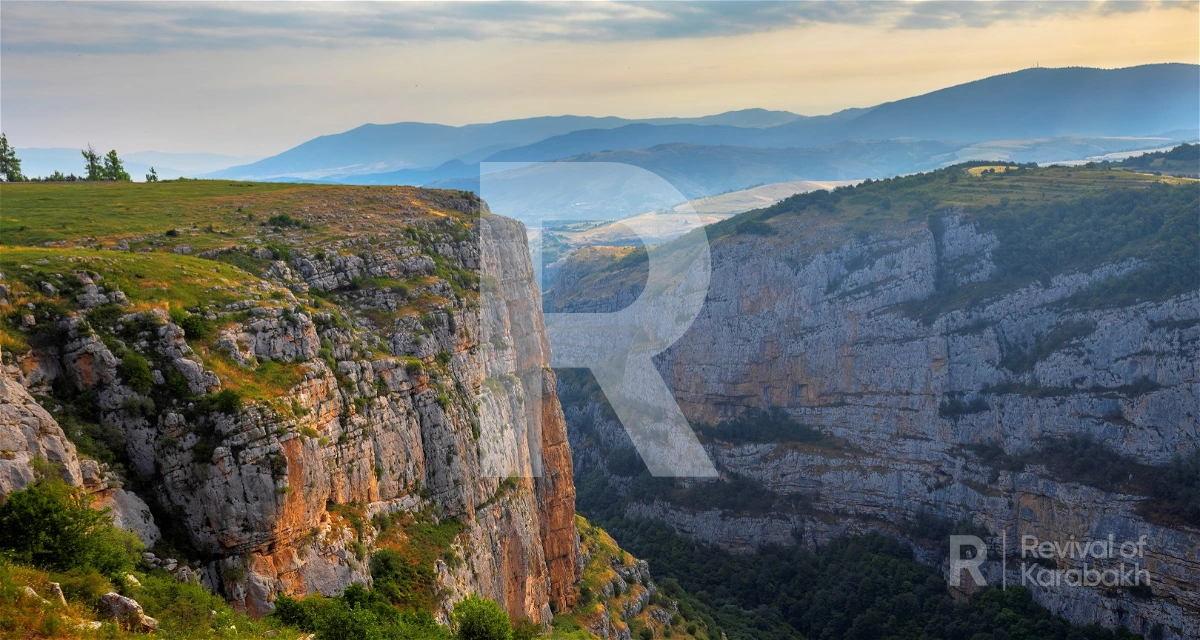 Majestic Jidir Duzu in Shusha, a vast ancient plateau, has long served as a symbol of Karabakh’s cultural heritage and at the heart of society, hosting traditional horse races, chovkan games, Novruz celebrations, and other community festivities.
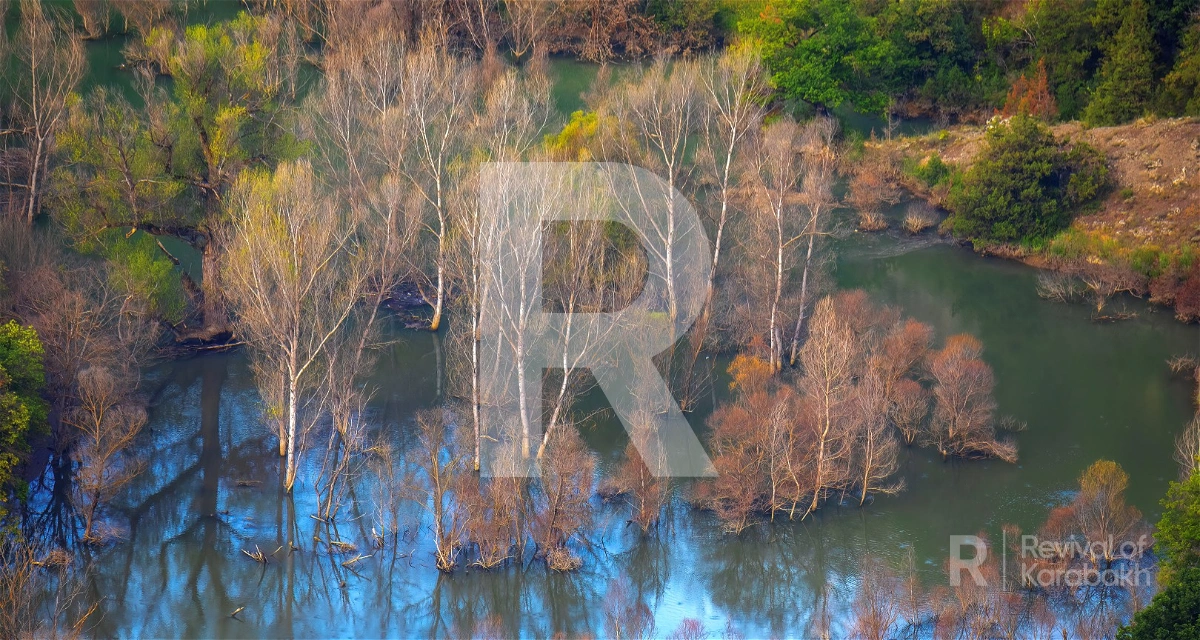 Slender trees rise from glistening waters in the Lachin district, forming a mesmerising collage that captures the tranquil and untouched beauty of Karabakh’s natural bounty.
  A migratory red-backed shrike perched delicately on a stem in Lachin district, its shrill cry can be heard in Azerbaijan each summer when it returns to breed.
  The Sarsang Water Reservoir, nestled among lush vegetation and majestic mountains, embodies the tranquil beauty and natural harmony of the region.
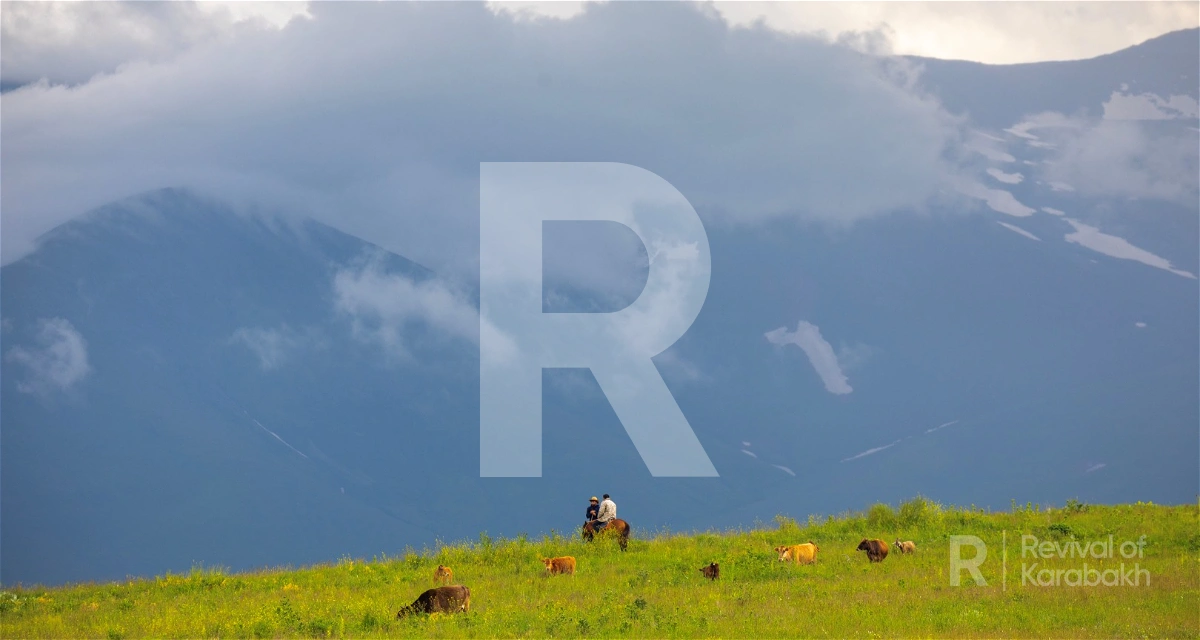 Rising above the clouds, a misty mountain in the Lachin District dominated by lush pastures where livestock graze peacefully. This breathtaking landscape reflects the harmony of nature and rural life in Karabakh.
 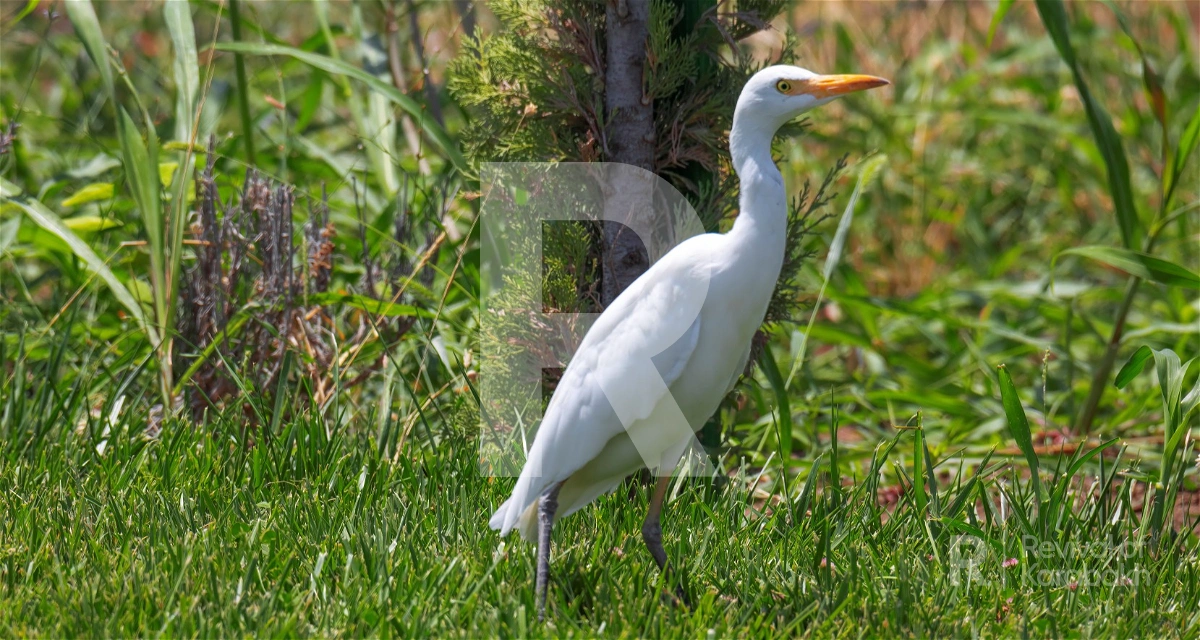 A graceful white heron stands tall amid the lush greenery of Fuzuli district, symbolising the once vital biodiversity of Karabakh, which is now slowly returning following liberation.
 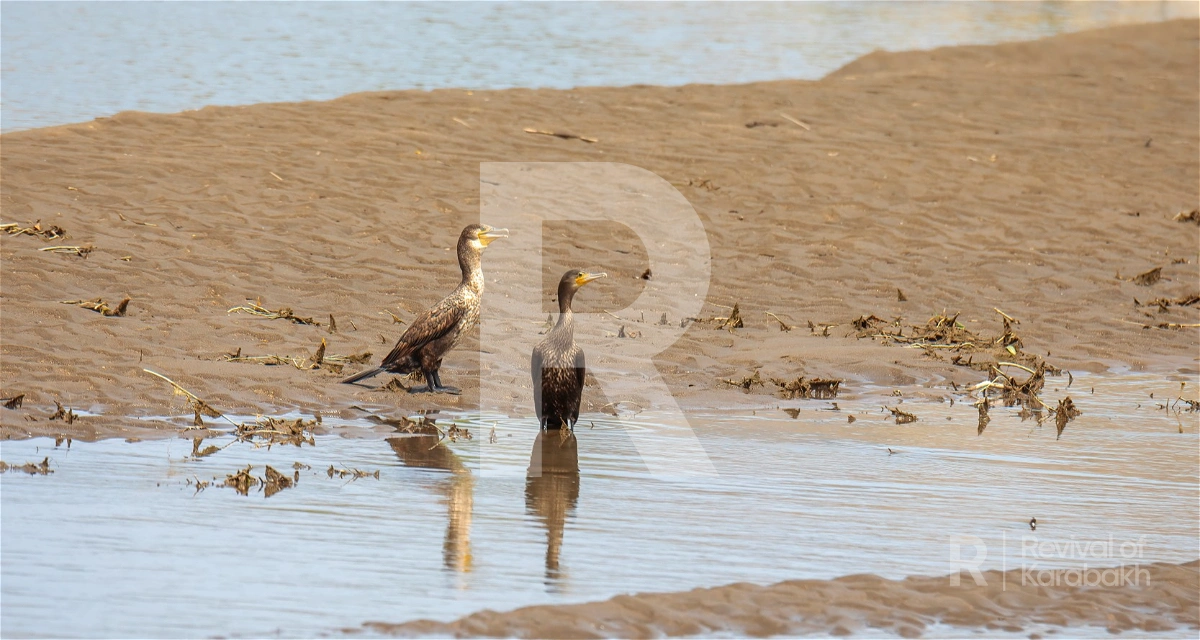 Two cormorants by the water’s edge in Karabakh, offering a glimpse of the region’s thriving wildlife and status as an ark for nature.
 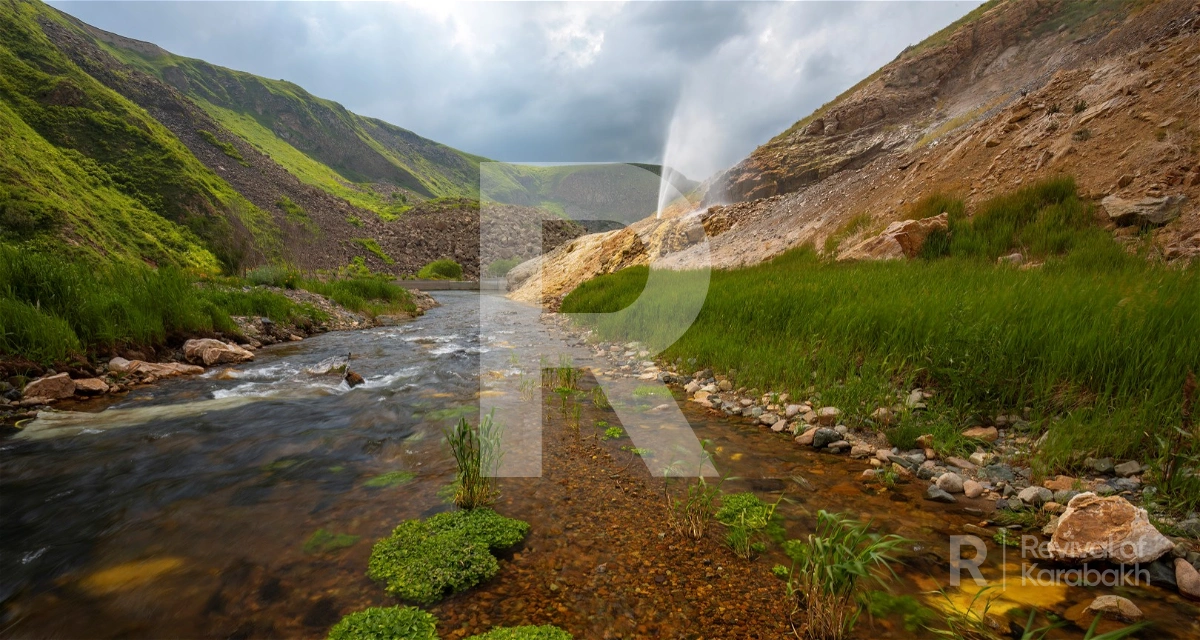 A serene river winds through the lush valleys of the Kalbajar mountains, framed by steep hills and plush vegetation, encapsulating the pristine beauty and tranquility of Karabakh.
 Amidst the breathtaking greenery of Kalbajar, ancient stone-carved ram sculptures represent a testament to the region’s vibrant history and cultural endowment.
 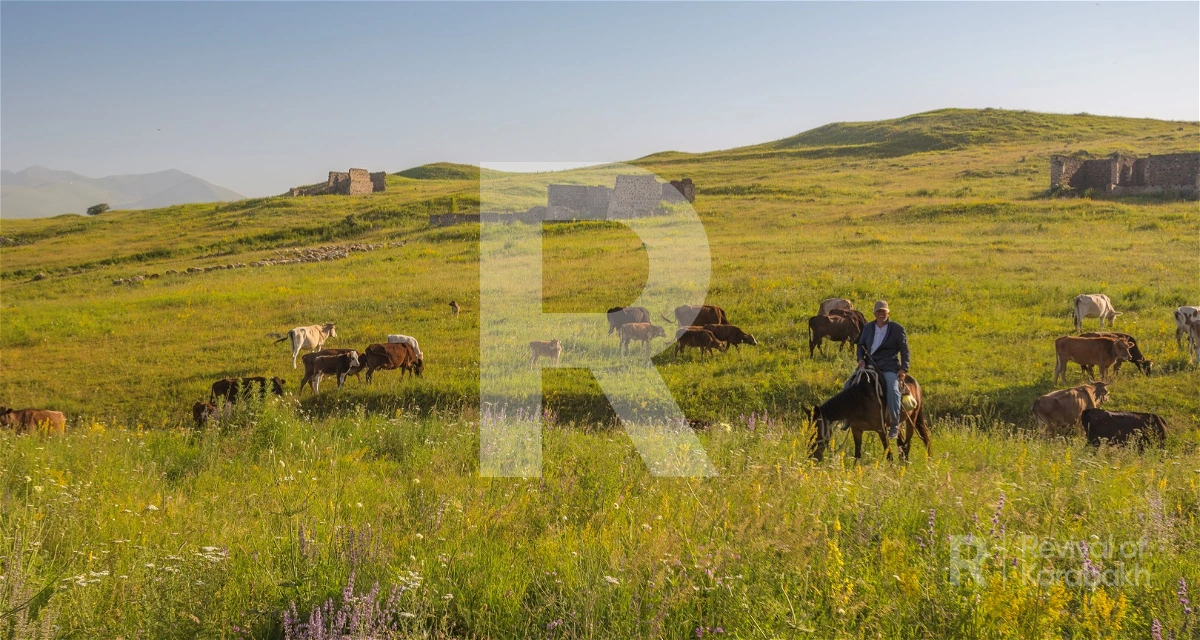 This tranquil scene from Minkend village in Lachin district shows a horseman riding among grazing cattle, set against rolling hills and stone ruins, capturing the timeless harmony of rural life.
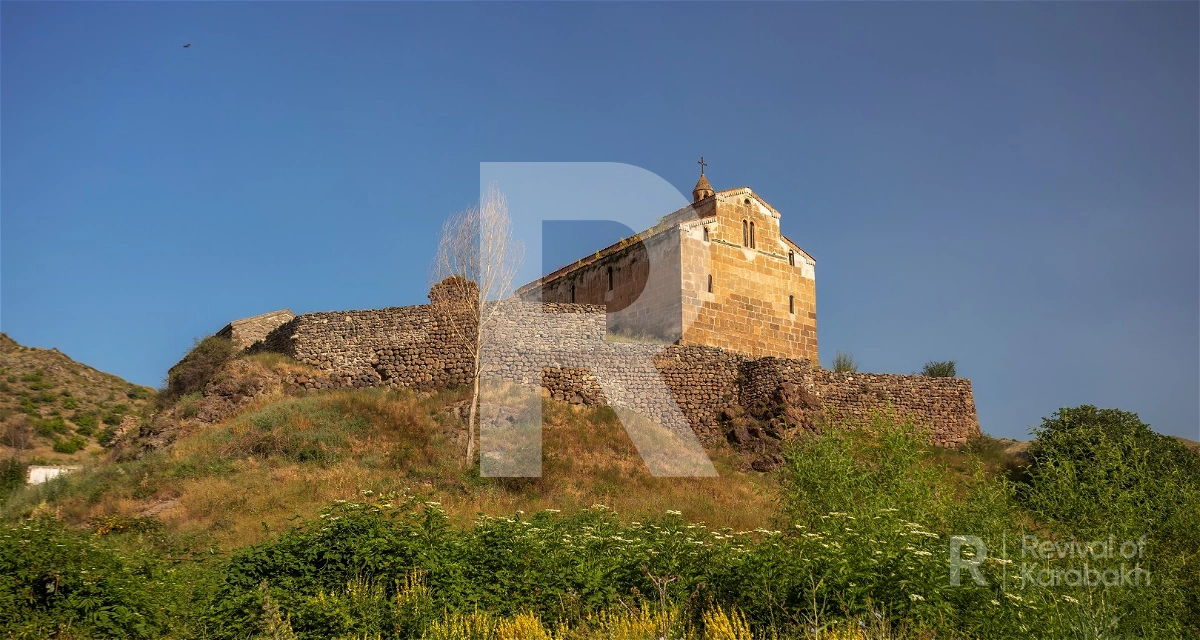 The Aghoghlan Monastery in Lachin district, a masterpiece of Caucasian Albanian architecture which stands as a symbol of enduring resilience and faith, totemic of Karabakh’s inclusive spiritual and architectural heritage.
 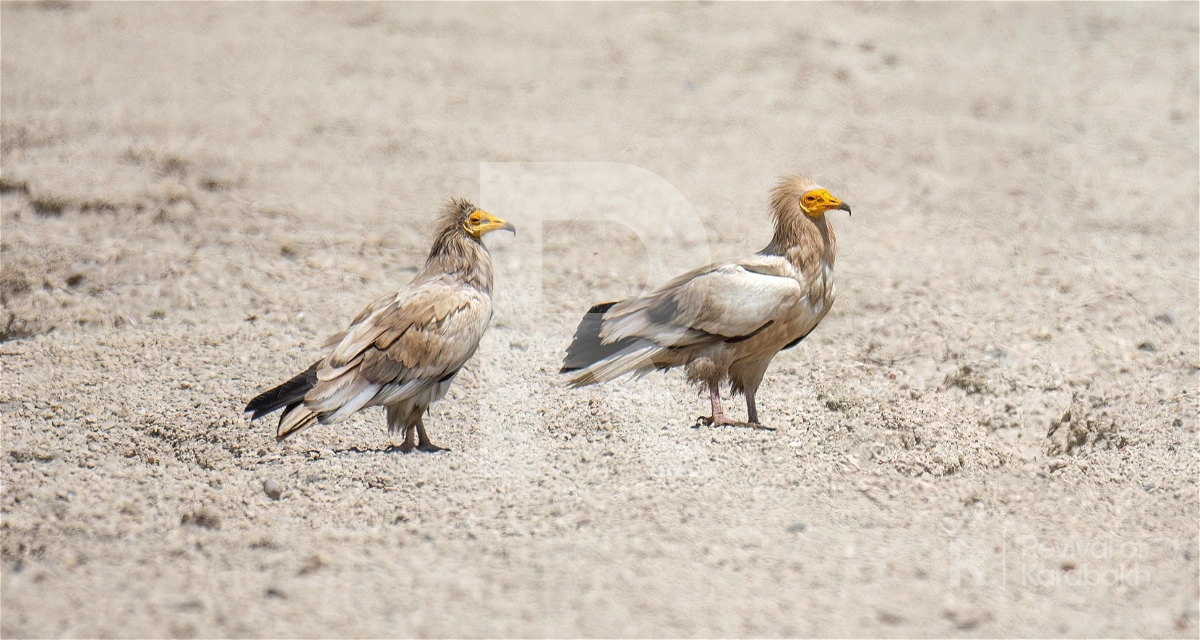 These Egyptian vultures, a rare species listed in Azerbaijan’s Red Book, stand proudly on Lachin’s landscape, symbolising revival of Karabakh’s biodiversity and the region’s wider ecological significance.
  A majestic falcon soars through the skies of Lachin, a symbol of freedom and the untamed beauty of the region’s rugged wilderness.
 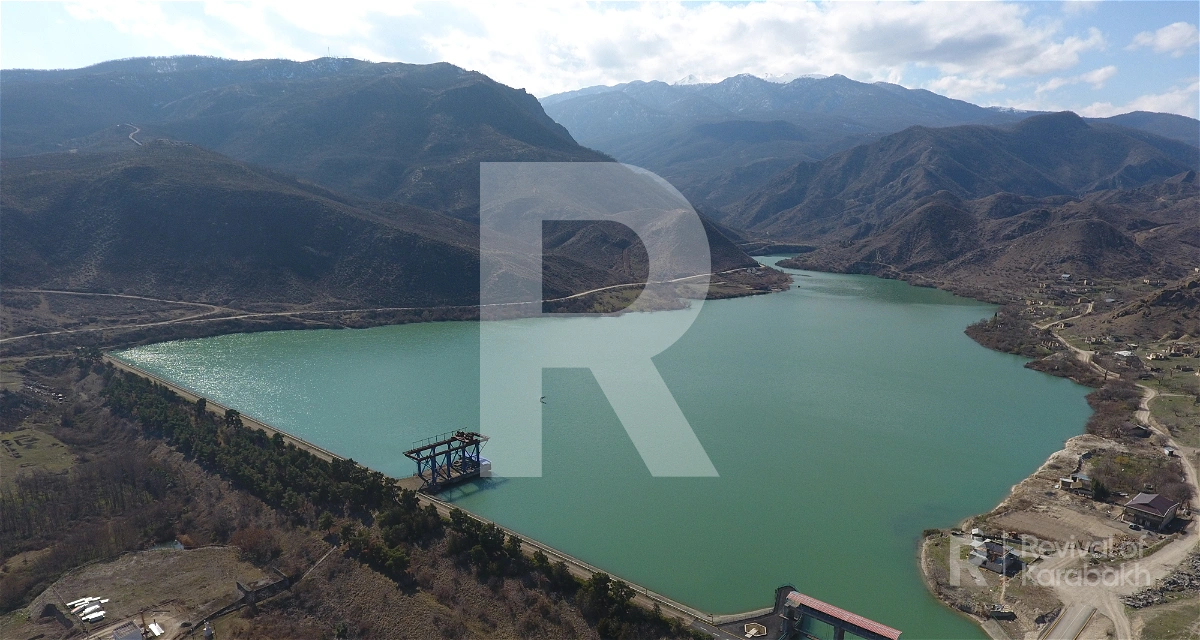 Built in 1976, the Sugovushan reservoir was under occupation for 28 years, causing severe water shortages and environmental damage. Its liberation restored irrigation to 96,217 hectares of farmland in seven districts, improving agriculture and ecology. Renovated in 2023, it now ensures a stable water supply and regional sustainability