 Deep wounds (1988-1994)
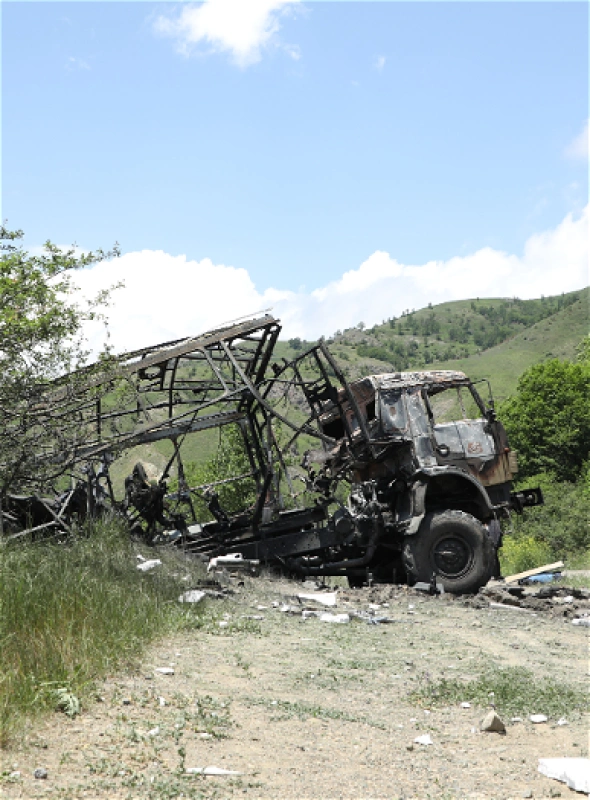
One of the most pressing and devastating consequences of wars and conflicts worldwide is the landmine problem. Even long after wars have ended, thousands of people—including women and children—continue to fall victim to landmines and unexploded ordnance (UXO).
Countries such as Afghanistan, Cambodia, the Lao People's Democratic Republic, Angola, Bosnia and Herzegovina, the Democratic Republic of the Congo, Vietnam, Iraq, Nigeria, Colombia, and Yemen are considered among the most heavily mine-contaminated countries in the world.
Unfortunately, Azerbaijan is one of the most severely affected countries. According to preliminary estimates, nearly 1.5 million anti-personnel and anti-tank mines were planted by Armenians in Azerbaijani territories that were under occupation during the Armenia-Azerbaijan conflict. These mines have resulted in the deaths and severe injuries of countless civilians, including children and women, alongside military personnel.
According to reports, from November 10, 2020, to April 3, 2025, a total of 388 people have been affected by mine incidents in the liberated territories of Azerbaijan. Of these, 70 people have died, and 318 have been injured.
Overall, from 1991 to April 3, 2025, more than 3,400 people—including 359 children and 38 women—have either lost their lives or suffered severe injuries due to mine explosions.
Among the incidents involving civilians, 38% were due to unauthorized travel, 20% occurred during infrastructure work, 20% were related to official duties, and 22% were linked to agricultural activities.
Despite being primarily designed as military weapons, landmines do not distinguish between combatants and civilians. In reality, most landmine victims are innocent civilians. The explosion of anti-personnel mines leads to permanent disabilities, severe psychological trauma, and loss of life.
At the same time, mine contamination restricts access to natural resources, destroys agricultural activities, disrupts transportation and communications, and ultimately hinders the economic development of affected regions.
Unexploded ordnance, including landmines and other explosive remnants of war, pollute the soil and water in these areas. The chemicals and metals released from these explosives seep into the environment, posing risks to plant and animal life. Explosions also damage vegetation and contribute to biodiversity loss, affecting entire ecosystems and reducing environmental sustainability. The presence of landmines and explosive remnants of war creates barriers to wildlife movement, forcing animals to alter their traditional migration routes.
Furthermore, Armenia's refusal to provide mine maps, as well as the inaccuracy of the maps it has provided, not only leads to human casualties but also delays demining operations.
In general, the forms submitted by Armenia regarding minefields cover only parts of the former line of contact. Information about the areas mined by Armenian military forces when retreating in November 2020, including sections of the former contact line passing through the Khojavand, Tartar, and Goranboy districts, has not yet been provided. The accuracy of the data provided by Armenia in 2021 regarding minefields in Aghdam, Fuzuli, Jabrayil, and Zangilan districts remains extremely low.
Moreover, the landmine problem severely hinders reconstruction and development efforts in the liberated areas and prevents internally displaced persons (IDPs)—who have been forcibly displaced for 30 years—from returning to their homes and resuming their daily lives.
Currently, mine clearance operations in the liberated territories are being carried out continuously. These operations require millions in funding, a large number of professional personnel, and significant technical resources.
Humanitarian demining is one of the main priorities of Azerbaijan’s state policy. Today, more than 90% of demining activities in Azerbaijan are conducted using the country's internal resources.
To ensure the safety of people and prevent civilian casualties, Armenia must provide accurate mine maps. The international community should take a firm stance on this issue and call on Armenia to fulfill its obligations. Unfortunately, Azerbaijan continues to witness double standards in this regard.
In a message addressed to participants of the international conference titled "Combating the Mine Threat – The Path to Sustainable Development," held in Baku on May 26, 2023, the President of the Republic of Azerbaijan, Ilham Aliyev, emphasized the urgency of resolving the landmine issue as a high-priority matter.
The magnitude of this problem demands greater international awareness and increased mobilization of resources to accelerate mine clearance and ensure the safe, sustainable development of liberated territories.
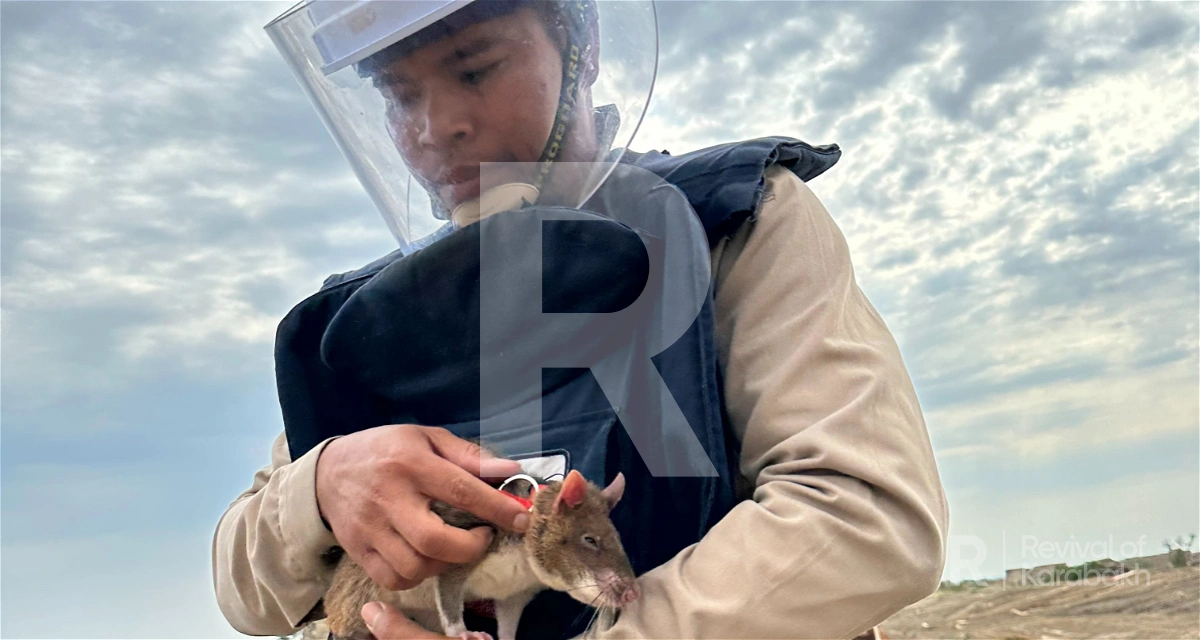 Specially trained African giant pouched rats are being used for demining operations in the liberated territories. With their highly sensitive sense of smell, Aghdam’s demining teams utilise these rodents to detect mines faster and more efficiently, helping to clear the land for safe resettlement.
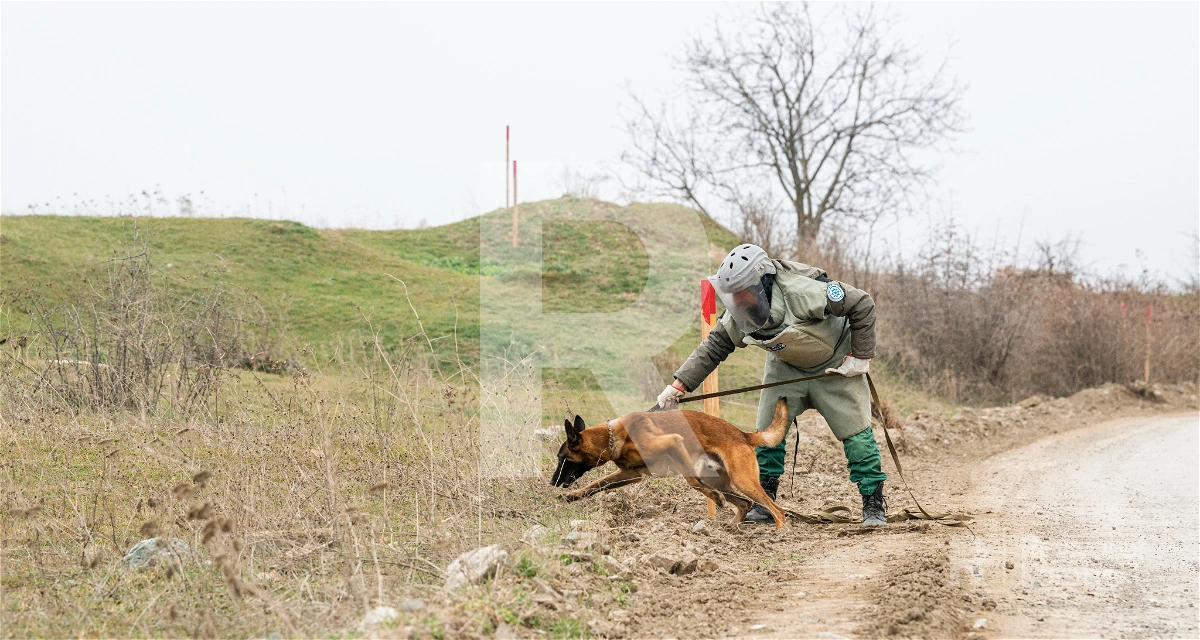 The human nose has around five million scent receptors, while dogs possess nearly 300 million, giving them an extraordinary sense of smell. Across the liberated territories, specially trained mine-detecting dogs play a crucial role in locating explosive materials left behind by the war. A single detection dog can clear approximately 1,000 square meters of land per day.
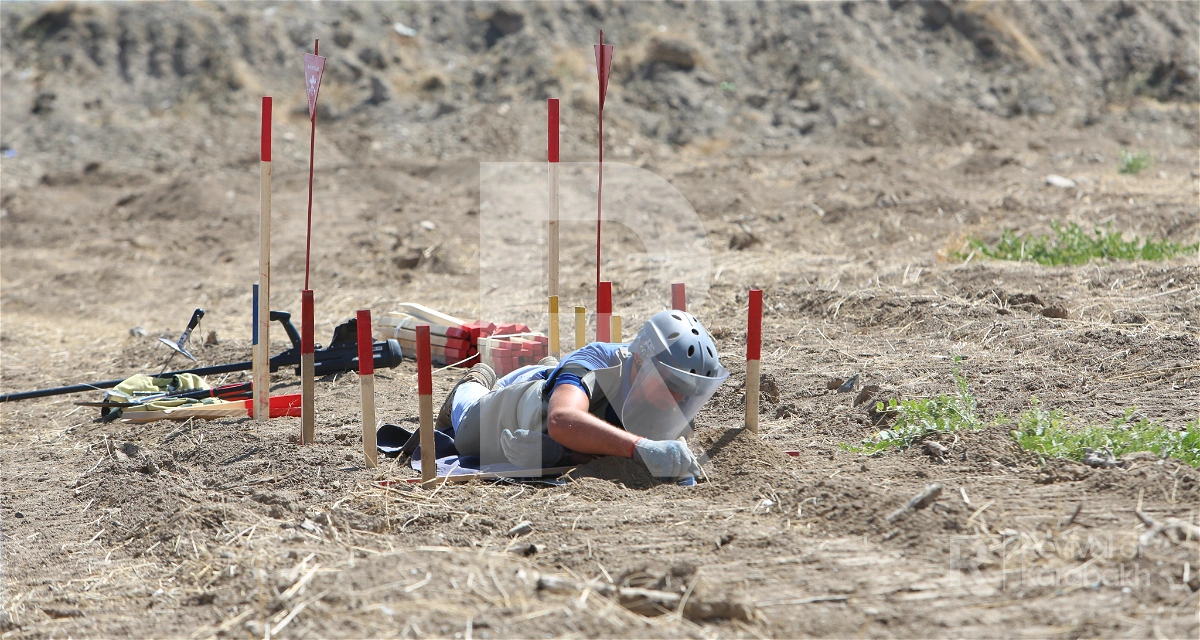 The neutralisation of mines buried by Armenians in the Karabakh region is an extremely dangerous yet vital task. Brave deminers risk their lives every day to clear the liberated lands of deadly mines and unexploded ordnance, ensuring a safer future for returning residents.
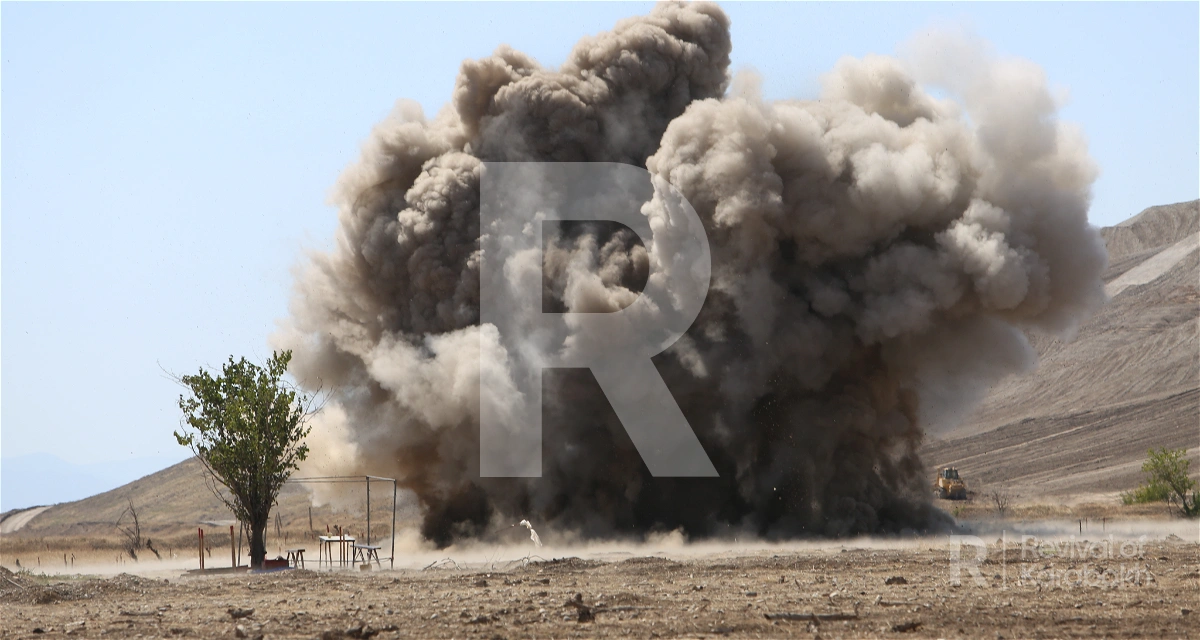 The murderous power of these Armenian devices can be gauged from the size of this controlled explosion. Once detected, many devices are secured and detonated by ANAMA.
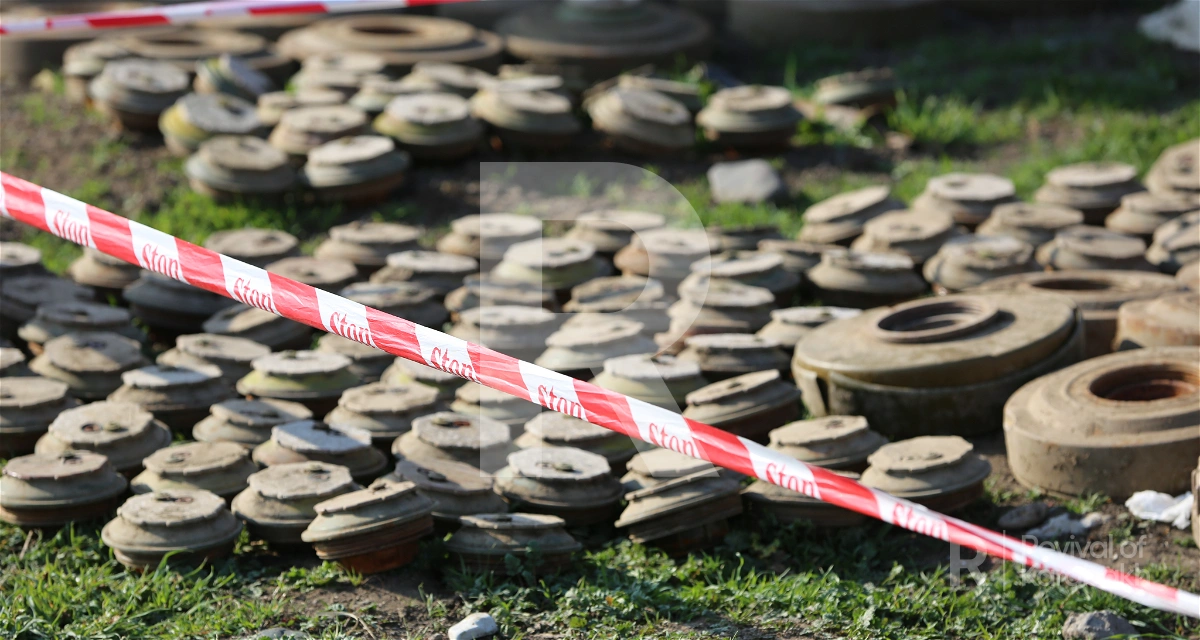 The lethal effects of landmines are clear, the 1.5 million mines and UXO strewn around Karabakh representing a harvest of evil. As this image illustrates, Azerbaijan is rising to that challenge.