 A Nation’s Resilience: Struggles of Azerbaijani IDPs
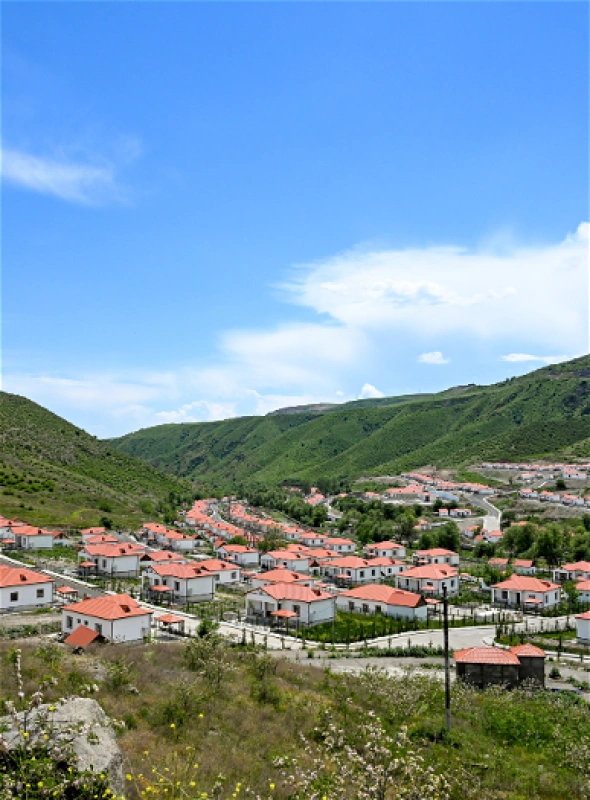
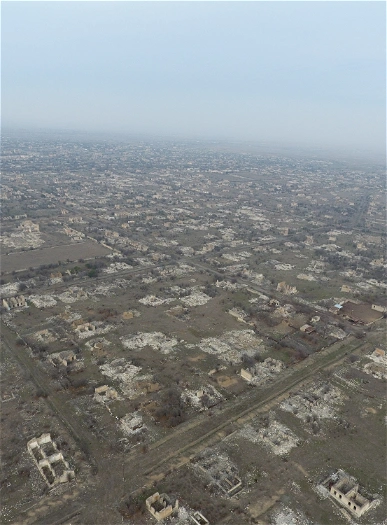
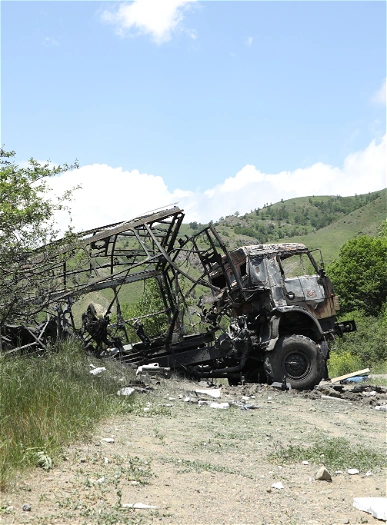
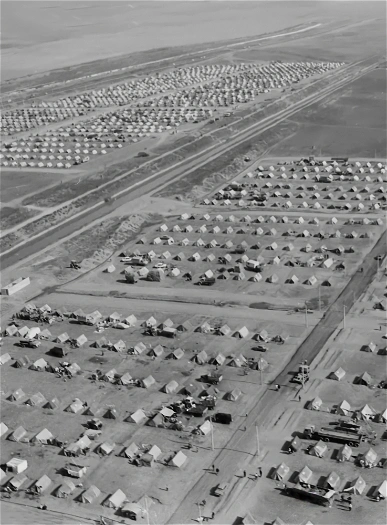
For nearly three decades, Karabakh’s cities, villages, and cultural landmarks lay in ruins - monuments of a forced exile, erased history, and systematic destruction. What was once a vibrant, thriving region became a desolate landscape, stripped of its people, heritage, and infrastructure. The scars of war ran deep, etched into the fabric of its towns, mosques, cemeteries, and fortresses. Yet today, Karabakh stands on the threshold of an extraordinary revival, a renaissance fueled by tenacity, innovation, and an unwavering commitment to rebuilding a homeland worthy of its past and future.
The comprehensive reconstruction of Karabakh is not merely about restoring what was lost; it is about forging a future that embraces sustainability, technology, and modern urban planning, while respecting the region’s cultural and historical identity. Cities that were reduced to rubble have been transformed into meticulously planned smart urban centers. Roads, railways, and airports reconnect the region with Azerbaijan and the world. Green energy projects harness Karabakh’s natural potential, laying foundations for an environmentally sustainable future.
One of the most striking examples of this rebirth is Shusha, the cultural heart of Karabakh. Long celebrated for its role in Azerbaijani music, literature, and art, Shusha was not merely occupied. It was deliberately desecrated. Today, it is being reconstituted with the reverence it deserves. The mosques that were vandalised, the homes that were left to crumble, and the historic sites that were neglected are now central to a revival that honours the city’s enduring historical roots. A metropolis that once echoed with the sound of tar and kamancha is being renewed, ensuring that the rhythm of its cultural life beats once more.
In Aghdam, once referred to as the ‘Hiroshima of the Caucasus’ due to its utter devastation, a visionary urban project is beginning to take shape. The city’s master plan includes green zones, modern infrastructure, and innovative housing solutions that will redefine how people live and work. The restoration of its Juma Mosque – once defiled and used to shelter livestock – symbolises the triumph of heritage over destruction. The city, long reduced to a shell, now represents a beacon of what thoughtful and determined reconstruction can achieve. Elsewhere, projects such as the Zangilan smart village, the newly built Fuzuli and Zangilan international airports, and the restoration of the historic Panakh Ali Khan Imarat complex in Aghdam illustrate the nation’s commitment to a holistic approach to rebuilding. These initiatives do not merely focus on bricks and mortar, but prioritise livability, economic sustainability, and cultural regeneration.
The renaissance across Karabakh is also a moral endeavour, a powerful statement against the cultural erasure that took place during the long occupation years. The Armenian subjugation was not only about military control - it underscored a systematic attempt to erase Azerbaijan’s presence from the region. Yet, as Karabakh rises from the ashes, the resilience of its cultural heritage is undeniable. The return of displaced families, the reopening of schools, and the restoration of religious sites reflect not merely a physical rebirth but a profound and enduring reclaiming of identity.
While Karabakh’s renaissance is driven by national will, it also provides lessons for the world. Reconstruction here is not just about recovering from war; it is about setting new standards for post-conflict redevelopment. The region’s transformation into a model of smart urbanism, green energy, and cultural restoration demonstrates that destruction, no matter how profound, can be countered with vision and determination.
As the cities and villages of Karabakh are rebuilt, they stand as monuments to resilience. The echoes of war are gradually being replaced by the hum of construction, the laughter of returning families, and the music of a culture that refused to be silenced. Karabakh is no longer just a story of loss. It is a testament to the enduring spirit of renewal, a land reclaiming its past, while boldly embracing its future.
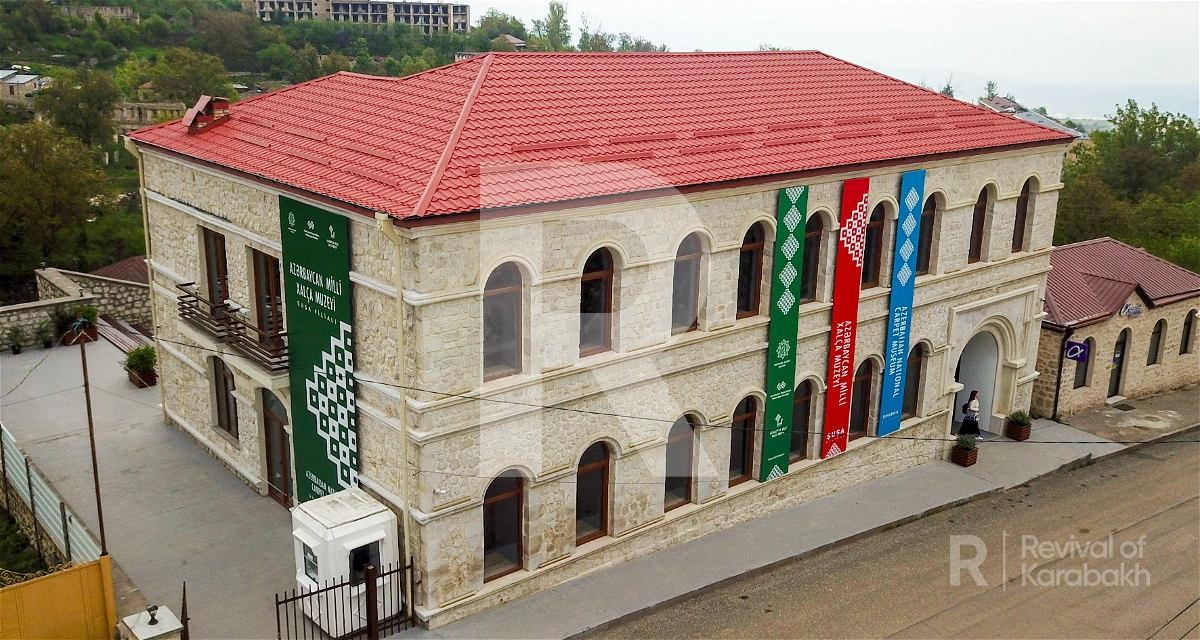 A 19th-century building in Shusha, once damaged, has been carefully restored and transformed into the Shusha branch of the National Carpet Museum, preserving both architectural heritage and Azerbaijan’s rich weaving traditions, May, 2023.
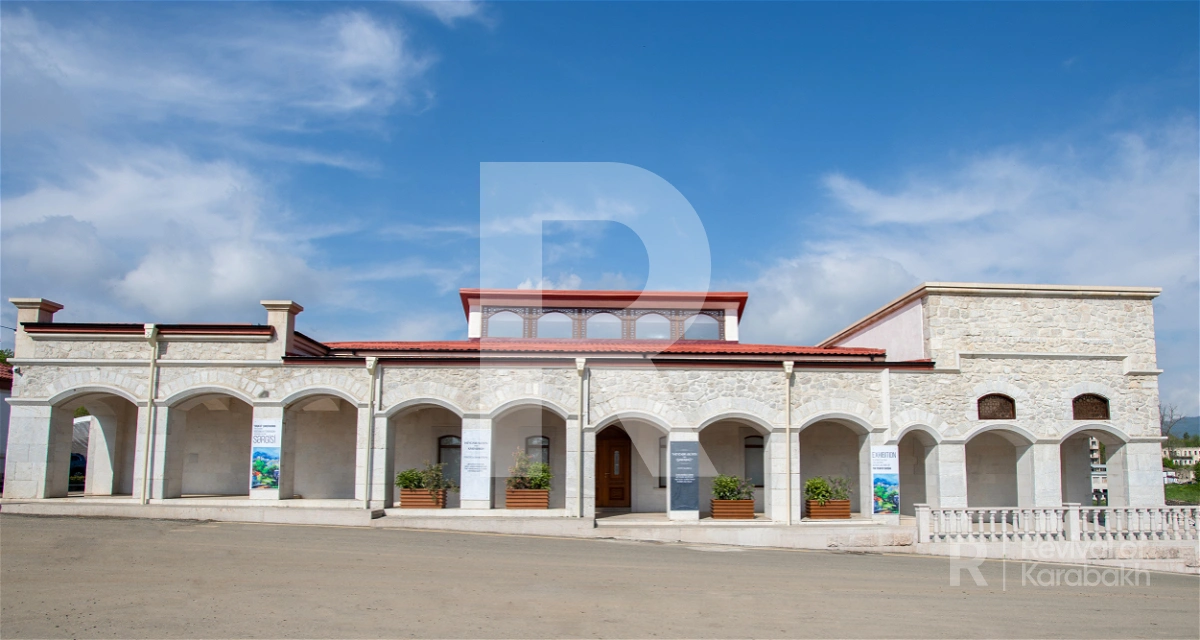 Originally built in the 19th century as the caravanserai of Agha Gahraman Mirsiyaboglu, this historic building in Shusha has been restored and repurposed as the Creativity Center, preserving its architectural legacy while fostering cultural renewal, May, 2023.
 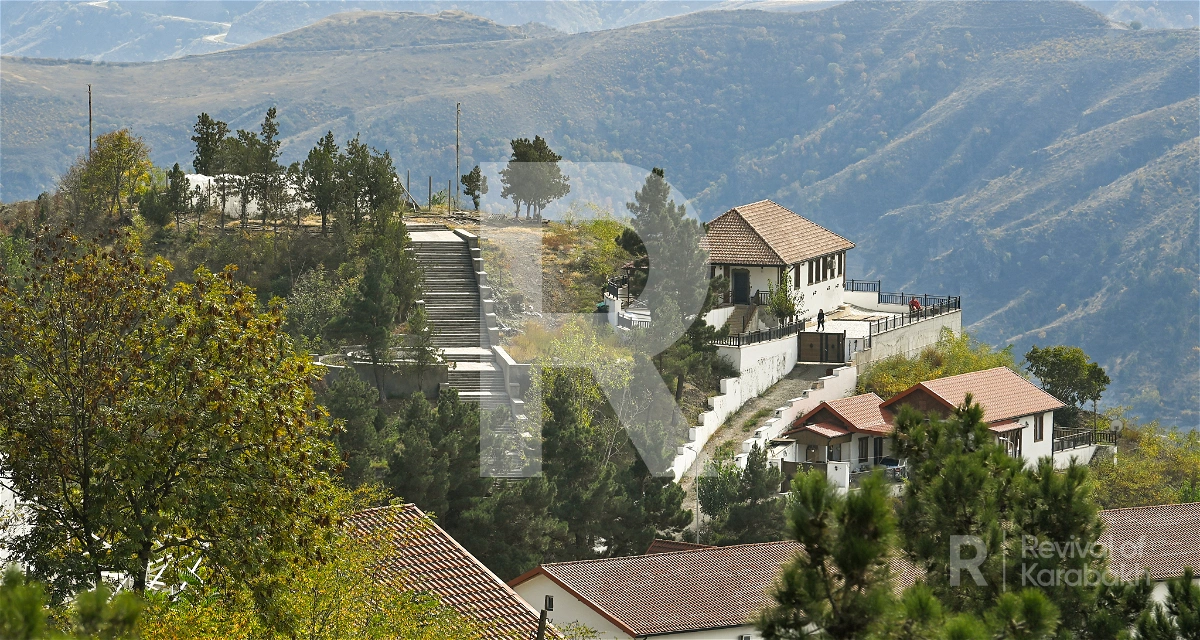 Nestled within the mountains, the city of Lachin unfolds like a natural amphitheater, with its terraced landscape offering breathtaking views as it undergoes a contemporary transformation, October, 2024.
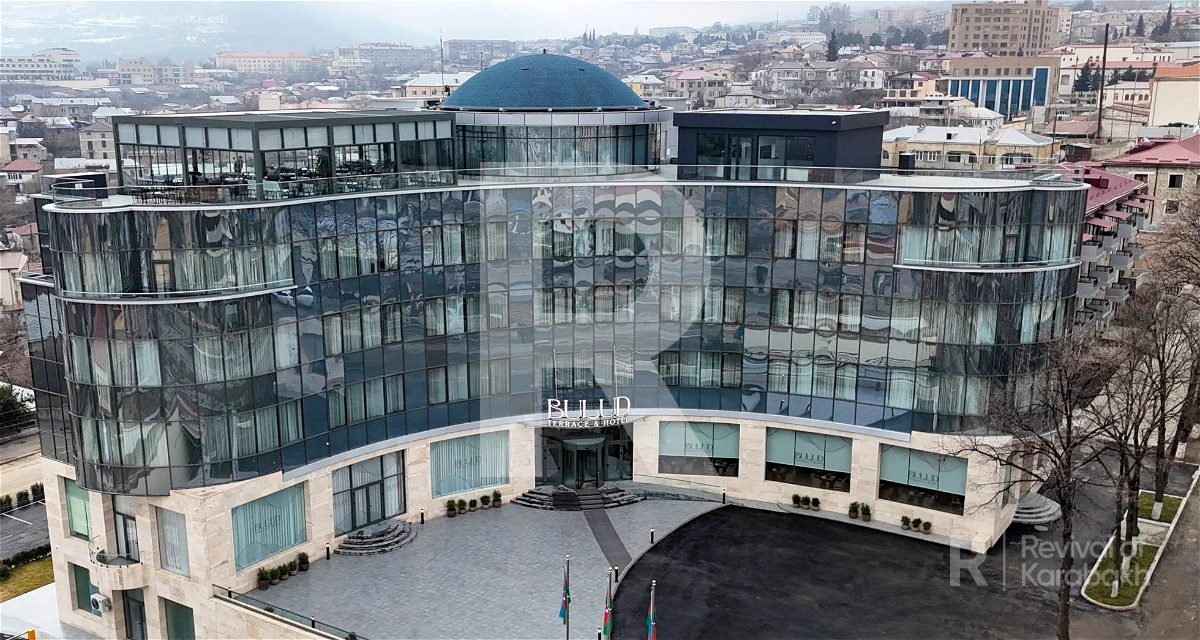 A striking addition to the evolving landscape of Khankendi, the Bulud Hotel represents the city’s 21st century modernisation, offering a blend of contemporary luxury and architectural elegance, February, 2025.
 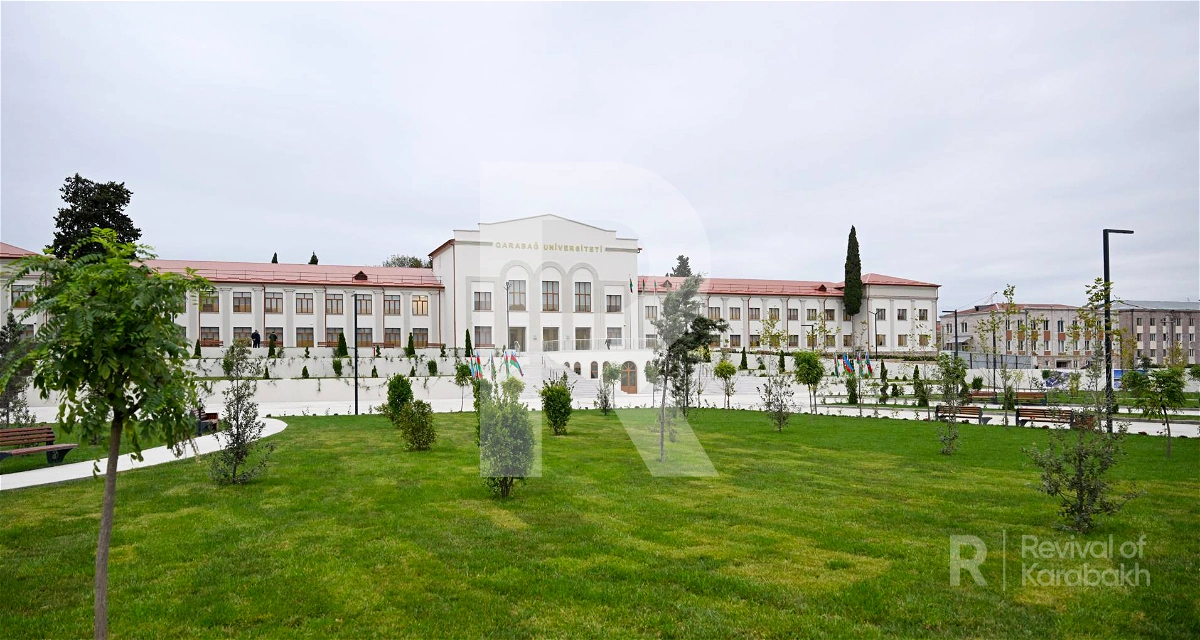 A symbol of the region’s educational revival, Karabakh University in Khankendi stands as a new center of elite learning and innovation, fostering knowledge and development for future generations, September, 2024.
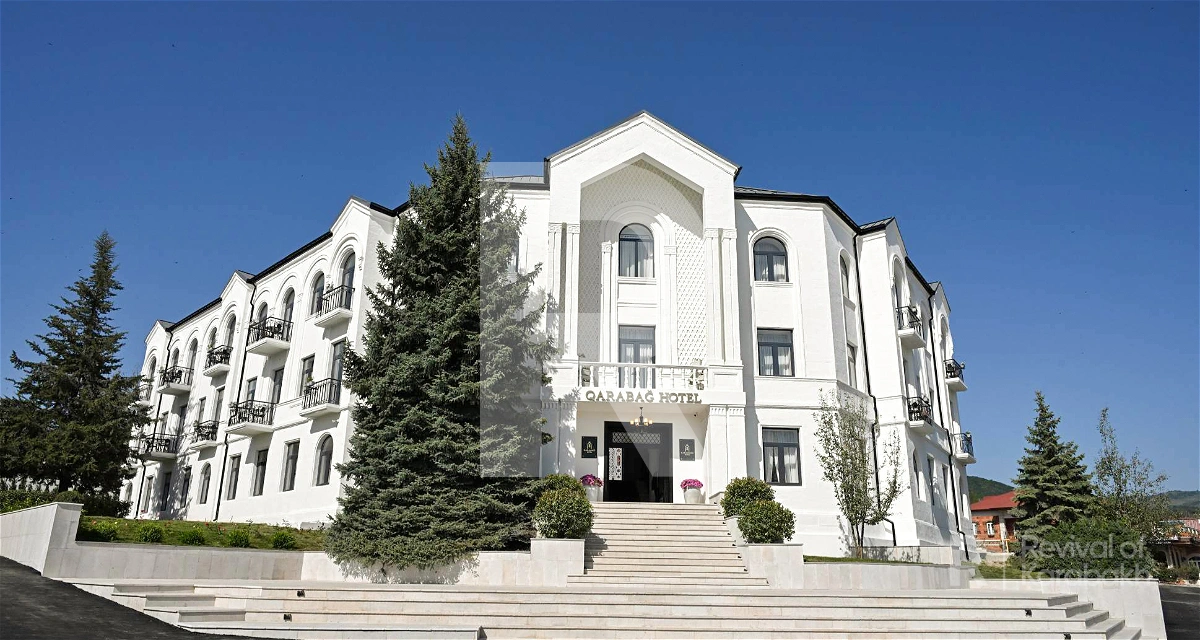 A landmark of Khankendi’s transformation, the Qarabag Hotel combines historical charm with modern elegance, welcoming visitors to a revitalised city that is reclaiming its place on the map, July, 2024.
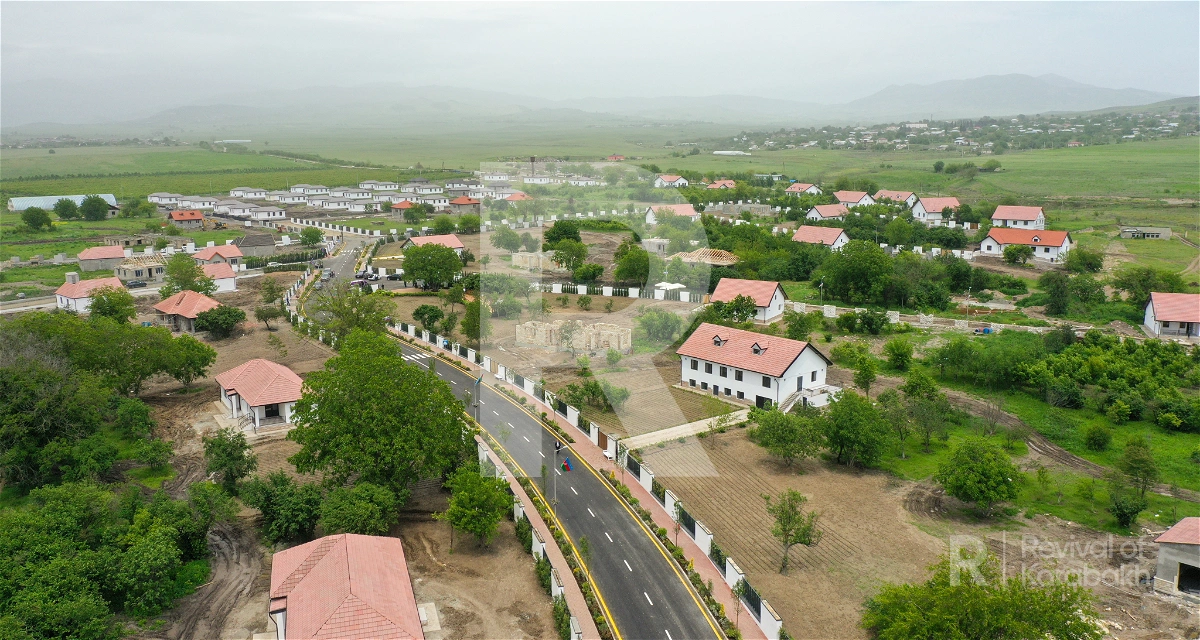 Once the site of the Khojaly genocide, this land now sees new homes emerging, symbolising resilience, renewal, and the return of life to a location that endured one of the darkest tragedies in modern Azerbaijani history, May, 2024.
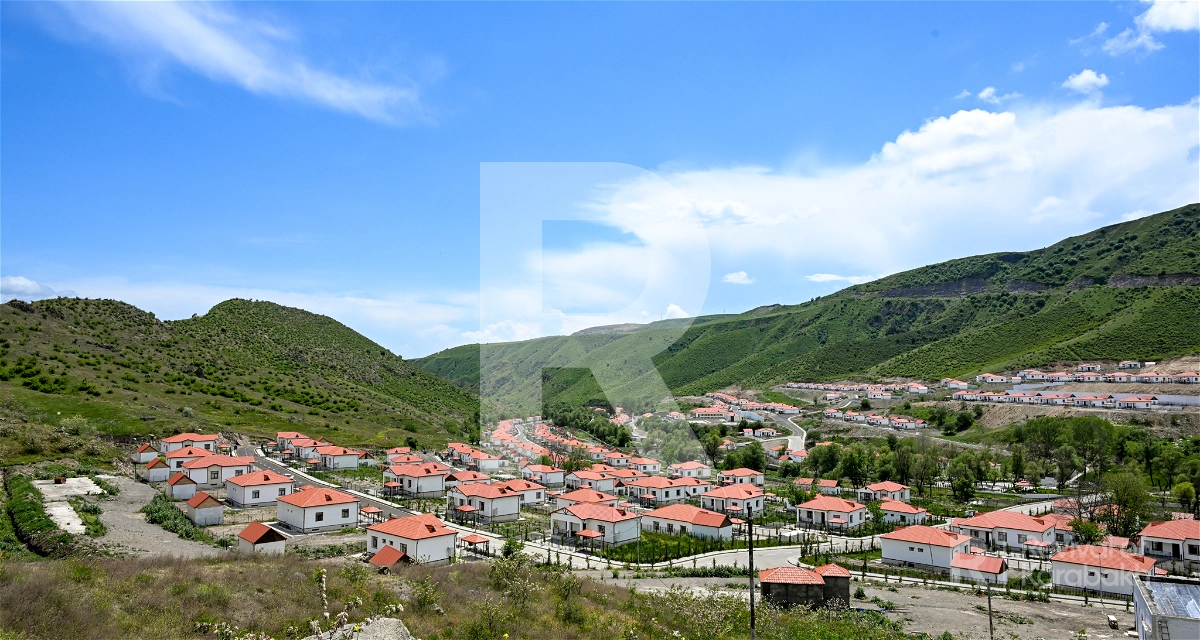 Nestled in the scenic mountains of Lachin, the newly built homes in Zabukh village mark the return of life and the restoration of communities after decades of displacement, August, 2023.