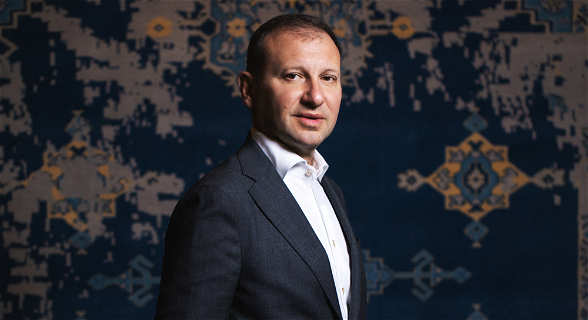
 Emin Huseynov
Special Representative of the President of the Republic of Azerbaijan in the Aghdam, Fuzuli and Khojavand districts
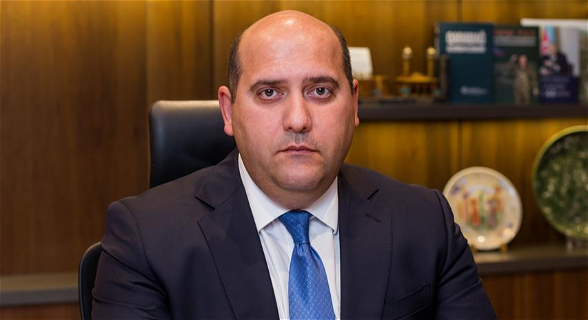
Emin Huseynov
Special Representative of the President of the Republic of Azerbaijan in the Aghdam, Fuzuli and Khojavand districts
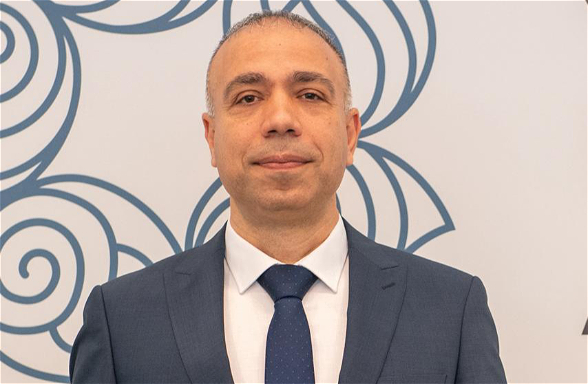
Elnur Soltanov
Deputy Minister of Energy of the Republic of AzerbaijanIntro
In this interview, Elnur Soltanov, Deputy Minister of Energy of the Republic of Azerbaijan, discusses the country's vision for transforming Karabakh and East Zangezur into green energy zones following their liberation.
He explains the integration of renewable energy sources like hydro, solar, and wind into the region’s reconstruction, highlighting plans to rebuild hydro-power plants and develop solar power with the help of international partners. Soltanov emphasizes the symbolic importance of Karabakh for Azerbaijan and the role of energy development in achieving both environmental sustainability and economic growth. He also reflects on the region’s potential as a post-conflict model for green energy development on a global scale.
Summary
In Elnur Soltanov’s opinion, Azerbaijan’s efforts to rebuild the liberated territories of Karabakh and East Zangezur are not just about restoring infrastructure but about creating a new vision for the future—one grounded in sustainability. Soltanov explains that the country’s long-term plan for these regions is to transform them into green energy zones, a concept first introduced by President Ilham Aliyev. For Soltanov, the journey began as a dream shared by all Azerbaijanis—a hope that one day these territories would be liberated and rebuilt. While preliminary plans existed, the rapid liberation and subsequent developments have exceeded expectations, forcing the government to quickly adapt and expand its vision.
Soltanov believes that the key to Azerbaijan’s success in Karabakh lies in its ability to turn challenges into opportunities. He acknowledges the destruction left by the Armenian occupation, particularly the loss of 44 hydro-power plants and other natural resources, but sees this as a chance to rebuild in a way that aligns with modern environmental standards. In his view, the complete devastation of the region allows for a fresh start, where everything can be built anew with sustainability in mind.
One of the most ambitious aspects of Azerbaijan’s plan, according to Soltanov, is the integration of renewable energy into the region’s development. The Ministry of Energy, following the vision set by President Aliyev, has committed to ensuring that all electricity consumed in the liberated territories comes from renewable sources. Soltanov is particularly proud of the work being done to restore small hydro-power plants, with 20 stations already operational and 12 more in the pipeline. By the end of 2024, he expects the region to have a total installed capacity of 270 megawatts, enough to power approximately 200,000 households. This, he notes, is already more than the region consumed during the Soviet era.
In Soltanov’s view, the development of renewable energy in Karabakh is not just about providing electricity but about creating jobs and opportunities for the people returning to their homeland. He explains that the government is working closely with universities and the education sector to train a new generation of energy professionals, particularly in the fields of renewable energy and power safety. Soltanov is confident that the energy sector, especially renewable energy, will become one of the largest employers in the region, providing high-paying jobs for local residents.
He emphasizes the importance of collaboration with international partners in achieving Azerbaijan’s green energy goals. He highlights ongoing projects with BP, including a major solar power plant in Jabrayil, which will have a capacity of 230 megawatts and cover an area of 500 hectares. He is particularly excited about the symbolic significance of this project, as the green energy generated in Karabakh will be used to decarbonize BP’s oil and gas operations in the Absheron Peninsula, representing a powerful convergence of renewable and traditional energy sectors.
Reflecting on Azerbaijan’s broader environmental commitments, Soltanov notes that the liberated territories have been declared a net-zero region by 2050, making them a trailblazer for other parts of the country. He also mentions Azerbaijan’s role in the regional green energy corridor, which aims to export renewable energy from Azerbaijan to Europe, further solidifying the country’s position as a leader in the transition to clean energy.
For Soltanov, the restoration of Karabakh is not just a technical or economic endeavor but a deeply emotional one. He acknowledges the symbolic importance of Karabakh for all Azerbaijanis, viewing the region as a core part of the nation’s history and identity. The energy projects underway are, in his opinion, a testament to the resilience and forward-thinking spirit of Azerbaijan. He believes that the green energy development in Karabakh will not only benefit the local population but will also serve as a model for post-conflict reconstruction on a global scale, demonstrating how tragedy can be transformed into opportunity.
Ultimately, Soltanov is optimistic about the future of Karabakh and Azerbaijan as a whole. He sees the country’s commitment to green energy and sustainable development as a way to ensure long-term prosperity, while also fulfilling its international environmental obligations. He remains focused on the task at hand, confident that Azerbaijan’s efforts in Karabakh will not only restore the region but also set a new standard for post-conflict recovery and green innovation.
Short videos
 Adapting plans from dream to green reality
 Karabakh’s hydropower to power 200,000 homes
 Solar scale-up marks energy transition
 Training talent for Karabakh’s green future
 EU excited for Azerbaijan’s green power link