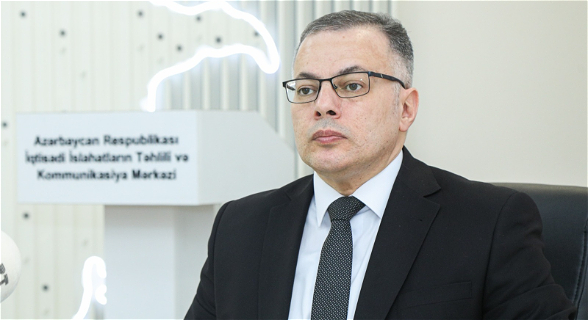
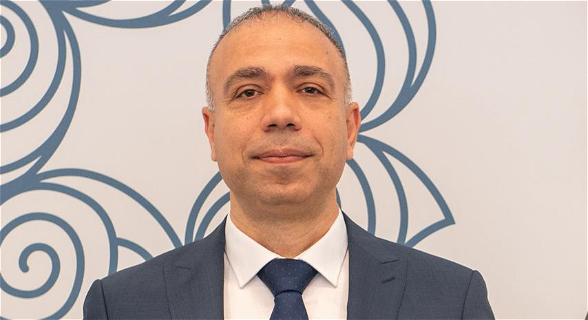
 Elnur Soltanov
Deputy Minister of Energy of the Republic of Azerbaijan
Elnur Soltanov
Deputy Minister of Energy of the Republic of Azerbaijan
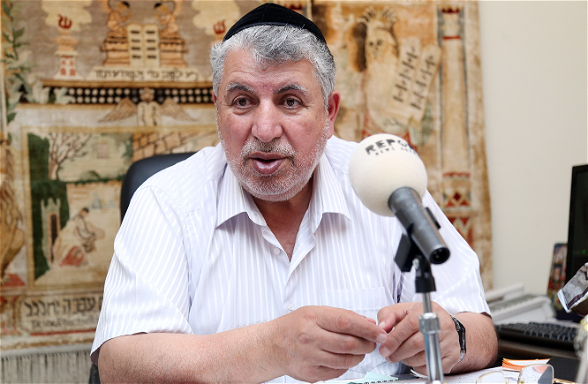
Milikh Yevdayev
Head of the Community of Azerbaijan’s Mountain JewsIntro
In his interview, Milikh Yevdayev highlights Azerbaijan’s deep-rooted multiculturalism, emphasizing over 20 centuries of religious harmony. He praises state-supported tolerance, citing Jewish temples funded by the government.
Yevdayev recalls Jewish contributions to Azerbaijan’s victories, stressing the strong bond between the Jewish community and Azerbaijan. The Jewish community’s active involvement in the country’s growth and prosperity reflects the enduring harmony among all its citizens. He further underscores the country’s commitment to preserving cultural diversity and peaceful coexistence, which has shaped the nation's inclusive identity.
Summary
In Milikh Yevdayev’s opinion, Azerbaijan is a unique example of religious and cultural harmony, where different ethnic and religious groups have coexisted peacefully for over 20 centuries. He attributes this tolerance to the high culture of the Azerbaijani people, which allows Jews to live in peace and consider Azerbaijan their homeland. He highlights the Azerbaijani government's support for the Jewish community, citing the construction of a synagogue and the upcoming Jewish Religious Center—both fully funded by the state—as unprecedented gestures of inclusivity.
Yevdayev believes that the recognition and respect for Jews in Azerbaijan are exemplified by the commemoration of Albert Agaranov, a Jewish Azerbaijani national hero who fought in the First Karabakh War. His legacy is honored through television broadcasts, memorial services, and the erection of a statue, demonstrating Azerbaijan’s commitment to multiculturalism. Prominent Jewish leaders and U.S. senators attended the monument’s inauguration, further reflecting the deep respect Agaranov holds in Azerbaijan.
According to Yevdayev, Jews actively participated in both the First and Second Karabakh Wars, fighting alongside their Azerbaijani compatriots. While Israel did not send soldiers, Azerbaijan’s Jewish citizens stood shoulder to shoulder with others in defending the country. He recalls visiting the frontlines during the 2020 war and witnessing the unity and determination of the Azerbaijani people in achieving victory.
He describes Azerbaijan’s relationship with Israel as a strong and unshakable brotherhood. He emphasizes the extensive cooperation between the two countries in various fields, including military, technology, and agriculture. A powerful symbol of this bond, he explains, is the emblem of Azerbaijan’s Jewish community: a shield in the colors of the Azerbaijani flag, with the Tower of David and a Menorah inside it, representing Azerbaijan’s role in protecting its Jewish population. He also highlights the unwavering support of the Azerbaijani Jewish diaspora, particularly in Russia, the U.S., and Israel. He stresses that no matter where they live, Jews of Azerbaijani origin remain deeply connected to their homeland and actively supported Azerbaijan during the Second Karabakh War. Business leaders, especially in Russia, continue to provide assistance to both Azerbaijan and the Jewish community within the country.
Yevdayev concludes by emphasizing the importance of promoting Azerbaijan’s realities to the world. He believes it is a moral duty to showcase the country’s religious tolerance, cultural diversity, and post-war achievements. Expressing gratitude to President Ilham Aliyev, he asserts that Azerbaijan’s model of inclusivity ensures that all citizens, regardless of their ethnicity or faith, are treated with dignity and respect.