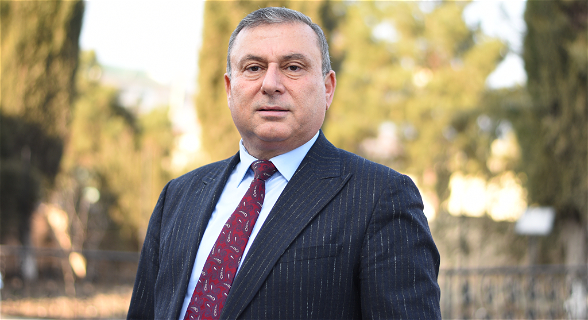
 Anar Guliyev
Chairman of the State Committee on Urban Planning and Architecture of the Republic of Azerbaijan
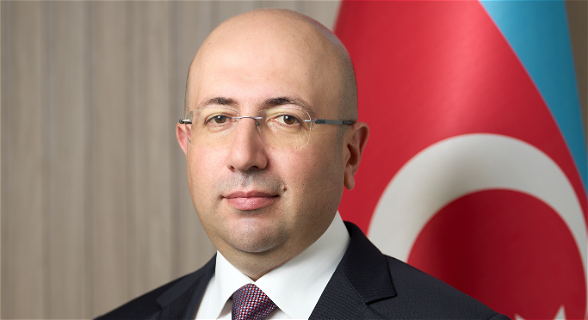
Anar Guliyev
Chairman of the State Committee on Urban Planning and Architecture of the Republic of Azerbaijan
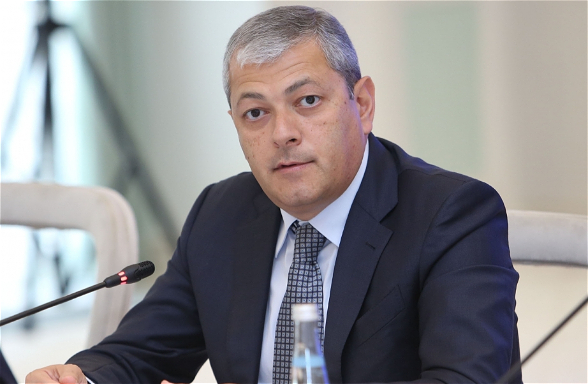
Aydin Karimov
Special Representative of the President of the Republic of Azerbaijan in the Shusha districtIntro
In this interview, Aydin Karimov, Special Representative of the President of the Republic of Azerbaijan in the Shusha district, discusses the immense responsibility of rebuilding and preserving the cultural capital of Karabakh.
He details the challenges of balancing historical preservation with modern infrastructure development, the strategic importance of returning IDPs to Shusha, and the creation of a sustainable economic base focused on tourism. Karimov emphasizes the importance of Shusha’s master plan and the pressures of maintaining high standards in every aspect of the city’s reconstruction, ensuring it becomes a regional cultural and tourism hub.
Summary
In Aydin Karimov’s opinion, the responsibility of rebuilding Shusha, Karabakh’s cultural capital, comes with a unique set of pressures. As the first special representative appointed to the region, Karimov feels a heightened sense of duty to deliver results within a tight timeframe. He acknowledges that while the pressure is significant, it is a natural part of the work, driven by the expectations surrounding the revival of Shusha. In his view, the urgency comes not just from the practical demands of reconstruction but also from the symbolic importance of Shusha for Azerbaijan.
Karimov explains that one of the first tasks after the war ended was to begin developing a master plan for Shusha, in collaboration with Chapman Taylor, a UK-based urban planning firm. In his opinion, creating a master plan was essential to ensuring the city’s sustainable development. However, Karimov emphasizes that while the master plan was in progress, immediate infrastructure needs had to be addressed. The city required basic utilities such as electricity, water, and gas, all of which were either destroyed or cut off by the departing Armenian forces. Despite these challenges, significant progress was made, with electricity and water supply being restored within a year and gas supply arriving more recently.
According to Karimov, Shusha holds a special place in the hearts of all Azerbaijanis, which adds to the responsibility of ensuring that the reconstruction is done with attention to detail and quality. He believes that the city’s cultural significance demands a higher standard, both in the design of the buildings and in their functionality. The goal, in Karimov’s view, is not just to rebuild Shusha but to turn it into a modern, livable city that retains its historical character.
One of the most pressing tasks, as Karimov sees it, is the return of internally displaced persons (IDPs) to Shusha. He explains that the first wave of 370 families—about 1,400 people—will be resettled in newly constructed residential complexes by spring 2024. This marks a critical step in the larger "Great Return" program, which aims to provide housing for 8,000 Shusha residents by 2026. Karimov acknowledges the emotional pressure that IDPs feel, particularly those who have been waiting for decades to return to their homeland. He meets with Shusha residents regularly to discuss their concerns and keep them informed about the progress of reconstruction.
Karimov highlights that Shusha’s future lies in tourism rather than large-scale industry. The city will be developed as a cultural and tourism hub, with a focus on hospitality, restaurants, and retail. In his opinion, this approach not only respects the city’s historical heritage but also provides a sustainable economic model. Karimov and his team are already working with hotel chains and training local residents for jobs in the hospitality sector, ensuring that the people of Shusha will have employment opportunities when they return. He aims for a workforce that is predominantly made up of Shusha residents, with around 70-80% of staff in local hotels coming from the area.
In his view, Shusha’s proximity to two airports—one in Fuzuli and another planned in Khankendi—positions it as a prime destination for tourists from the Gulf countries and beyond. Karimov believes that the restoration of cultural heritage sites, such as mosques and historical buildings, will add significant value to Shusha’s appeal as a tourism destination. He envisions the city becoming a regional tourism hub, attracting visitors from across Eurasia, including the GCC countries, who are known for their high spending in the tourism sector.
Reflecting on the broader historical context, Karimov is proud of Azerbaijan’s ability to move beyond the trauma of occupation and build a peaceful future. He emphasizes that Azerbaijan has always been a forgiving nation, willing to coexist peacefully with its neighbors, including Armenians. In his view, the peace initiative offered by Azerbaijan after the war demonstrates the country’s commitment to reconciliation and rebuilding a prosperous future for all citizens of the region.
Ultimately, Karimov is committed to ensuring that Shusha is rebuilt in a way that honors its past while securing its future. He sees his role as one of both preservation and innovation, ensuring that the city remains a jewel in Azerbaijan’s crown.
Short videos
 Shusha rises again as cultural and modern icon
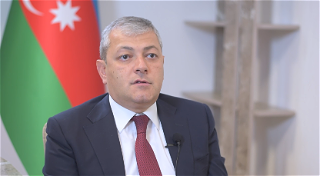 8,000 set to return home to historic Shusha
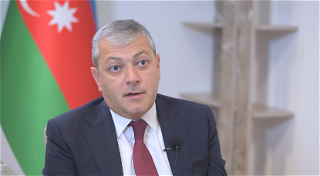 Shusha set to become top regional resort hub