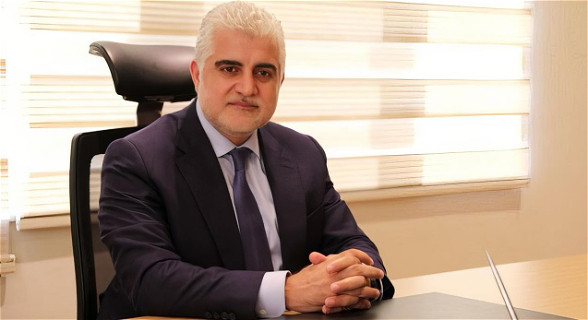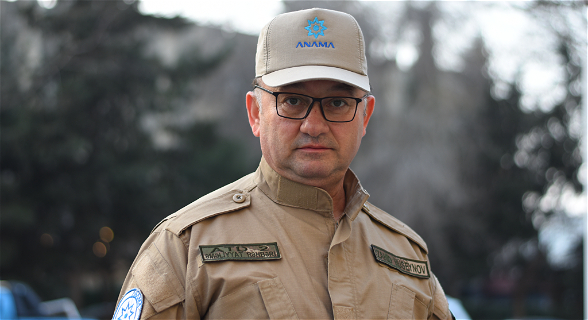
 Vugar Suleymanov
Chairman of the Board of the Mine Action Agency of the Republic of Azerbaijan
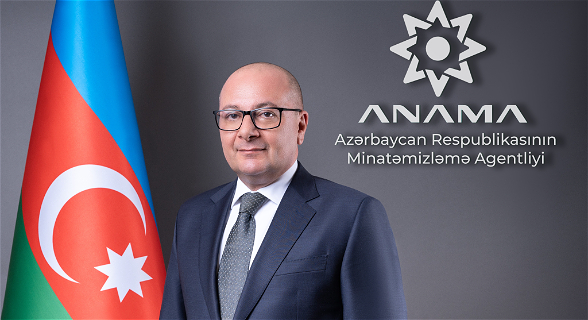
Vugar Suleymanov
Chairman of the Board of the Mine Action Agency of the Republic of Azerbaijan
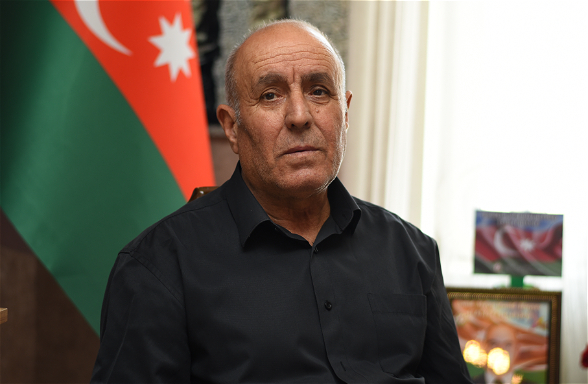
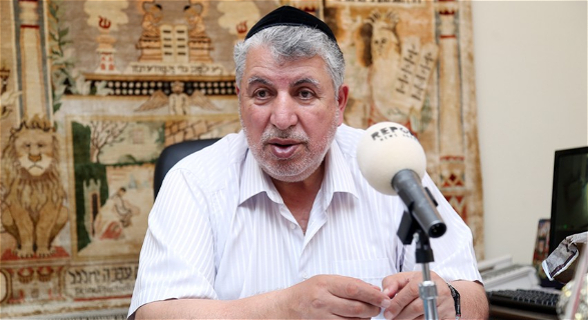
Nariman Hajiyev
Father of a martyr and a forcibly displaced person from the Jabrayil DistrictIntro
In this interview, Nariman Hajiyev, a father of a martyr and a forcibly displaced person from the Jabrayil District, shares his memories of life in Jabrayil before the Armenian occupation and the hardships his family faced after being displaced. He reflects on the loss of his son, Ramid, a soldier who became a martyr during the Second Karabakh War, and the pride he feels for his son’s dedication to Azerbaijan.
Hajiyev also discusses his hope for the future, expressing his belief in the leadership of Azerbaijan and his longing to return to his native village, which is now being reconstructed after the liberation of Karabakh.
Summary
In Nariman Hajiyev’s opinion, his life before the Armenian occupation of Jabrayil was peaceful and filled with happiness. Born and raised in Jabrayil, Hajiyev became a cinematographer and began working in the local cinema office in 1973. After completing his military service, he settled down, started a family, and built a home with the help of the government. Hajiyev recalls how his wife tended to a vineyard and a mulberry garden while they raised their four children. He describes their life in Jabrayil as idyllic, with the family working together and living in harmony. However, this peaceful existence was abruptly disrupted when Armenian forces occupied Jabrayil in 1993, forcing his family to flee.
Reflecting on the occupation, Hajiyev explains how his family was displaced to Baku, where they have lived for 30 years. Despite their hardships, Hajiyev expresses deep gratitude to the Azerbaijani government for providing them with housing. However, he firmly believes that city life is not for him or his family—they are “people of the region” who belong in their homeland. Hajiyev eagerly anticipates the day when his family can return to their village, emphasizing that Jabrayil is where their blood and roots lie.
Hajiyev also reflects on his son, Ramid, who became a soldier out of a deep love for his country. Hajiyev recalls how he and his wife made sure their children knew about their ancestral homeland, Karabakh, and the importance of the land. This knowledge instilled a strong sense of patriotism in Ramid, who attended military school and rose to the rank of major. Hajiyev proudly shares how dedicated his son was to his military service, aspiring to become a general. Unfortunately, Ramid was martyred during the Second Karabakh War in 2020. Hajiyev recounts how his son was killed in a fierce battle at a military post, where he and his comrades were under heavy fire from Armenian forces. The loss of his son was devastating, but Hajiyev takes comfort in knowing that Ramid fought for the freedom of their homeland.
As a grandfather, Hajiyev now plays a significant role in the lives of his son’s children. He visits his grandchildren regularly and tells them about their father’s patriotism, courage, and love for his family. Hajiyev believes that his grandchildren will grow up to be educated, intelligent, and caring individuals, just like their father. He is filled with pride and emotion when he talks about how close his grandchildren are to him and how they express their love for him.
Hajiyev vividly remembers the moment when Jabrayil was liberated during the Second Karabakh War. The joy of knowing that his homeland was free was accompanied by tears for the martyrs who sacrificed their lives. However, these were not tears of sorrow but of pride and joy, as Hajiyev felt a profound sense of victory for his country. He expresses his deep gratitude to Azerbaijan’s leadership, particularly President Ilham Aliyev, for their unwavering commitment to liberating Karabakh. Hajiyev emphasizes that both Heydar Aliyev and Ilham Aliyev gave him hope that one day the lands would be freed, and he is grateful to have lived to see that day.
Looking ahead, Hajiyev is optimistic about the future of Jabrayil. He mentions that construction work has already begun in the district, with new buildings being constructed in the city center. He is confident that many people from Jabrayil will be able to return to their homes soon, and he eagerly awaits the opportunity to return to his village. Hajiyev believes that the reconstruction of Jabrayil will bring new life to the region, and he looks forward to resettling there with his family.
Ultimately, Hajiyev’s story is one of resilience, loss, and hope. Despite the many challenges he has faced, he remains deeply committed to his homeland and believes that the future of Jabrayil will be bright once it is fully restored.