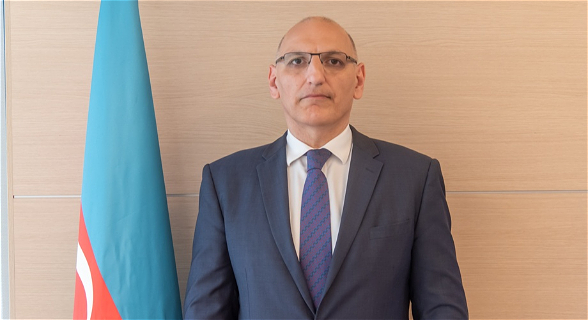
 Elchin Amirbayov
Representative of the President of the Republic of Azerbaijan on Special Assignments
Elchin Amirbayov
Representative of the President of the Republic of Azerbaijan on Special Assignments
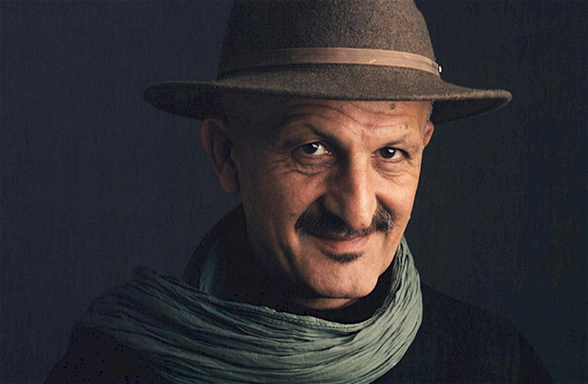
Reza Deghati
Photographer, philanthropistIntro
In this interview, renowned philanthropist and photographer Reza Deghati reflects on his journey in photojournalism and his deep connection to Azerbaijan. He discusses his philosophy as a photographer, which is driven by a desire to document humanity’s struggles and tell stories of resilience.
Deghati shares his experiences covering conflict zones, including the First Karabakh War and Black January (1990), emphasizing the importance of giving a voice to the voiceless. He also highlights his role in training local photographers, particularly women in conflict regions, to document their own stories. Deghati’s work in Azerbaijan, particularly in Karabakh, has been instrumental in exposing the realities of war and advocating for justice on the global stage.
Summary
In Reza Deghati’s opinion, photography is not merely about capturing images; it is about telling stories of humanity and documenting the truth for future generations. He explains that his passion for photography began at the age of 13, driven by a conviction that photography could be a powerful tool to share human stories. His work, which he calls "photography for humanity," is guided by a sense of responsibility to reflect on the experiences of the people he photographs and how those stories will become part of history.
For Deghati, every image is a piece of the larger puzzle of human history, and he constantly asks himself how his work will contribute to the legacy of the times in which he lives.
Deghati draws inspiration from a quote by Mahatma Gandhi, which suggests that one should always ask whether their actions will help the most vulnerable people they have encountered. This philosophy is central to his work, as he aims to make his photographs the voice of those who cannot speak for themselves. Whether he is covering a conflict or documenting life in a refugee camp, Deghati is always focused on ensuring that the stories of the individuals he photographs are told accurately and with empathy.
Deghati reflects on the turning point in his career when he decided to move away from architecture and dedicate himself to photojournalism. He first began covering conflicts in 1979, and one of his early assignments was in Afghanistan during the Soviet invasion. He quickly realized the challenges that foreign journalists faced in documenting the war and decided to train local Afghans to use cameras to tell their own stories. This idea, which began in Afghanistan, evolved into a broader mission for Deghati—to train people in conflict zones to document their experiences and give them the tools to make their voices heard.
Deghati emphasizes the importance of addressing the invisible wounds of conflict—trauma that persists long after the physical destruction has been repaired. He explains that while international organizations focus on rebuilding infrastructure, the emotional and psychological scars of war are often left untreated. Deghati believes that media, especially when created by those directly affected by conflict, can help heal these wounds by providing an outlet for expression and fostering understanding. His work in training women in Afghanistan to become journalists, filmmakers, and photographers is a prime example of how media can empower individuals and communities to overcome trauma.
Discussing his connection to Azerbaijan, Deghati shares personal stories about his upbringing in an Azerbaijani-speaking family in Iran. He explains that his bond with Azerbaijan is both personal and professional. Professionally, Deghati has been deeply involved in documenting the struggles of Azerbaijanis, particularly during the First Karabakh War and Black January. He is critical of the misinformation spread by international media, particularly in France and the United States, which often portrayed Azerbaijanis as aggressors. Deghati felt compelled to correct this narrative by showing the world the true suffering of the Azerbaijani people, especially the displaced and those who lost their homes in Karabakh.
One of Deghati’s most significant experiences in Azerbaijan was during Black January in 1990. He recounts how he was able to sneak into Baku, despite the Soviet authorities’ attempts to block foreign journalists from entering the city. Using clever tactics and disguises, Deghati managed to capture images of the Soviet military’s brutal crackdown on Azerbaijani demonstrators. He reflects on the immense risk involved in this mission and how it felt like a game of survival, but he was driven by a sense of duty to bear witness to the atrocities. His photographs from Black January were among the first to reach international media, helping to expose the truth about Soviet repression.
Deghati’s coverage of the First Karabakh War was equally dangerous, but he remained committed to documenting the conflict from the Azerbaijani perspective. He describes the challenges he faced in gaining access to the front lines and the reluctance of Western media to support his work in Azerbaijan. Despite the obstacles, Deghati’s photographs played a crucial role in raising awareness about the human cost of the war and the suffering of Azerbaijani civilians.
Reflecting on his encounters with Heydar Aliyev, Deghati recalls a poignant moment when the Azerbaijani leader asked him what he could do for him. Deghati, who had been documenting Azerbaijan’s struggles for years, responded by saying that he was there to serve the Azerbaijani people through his work. Aliyev, moved by Deghati’s dedication, expressed his wish to have more people like him to help rebuild Azerbaijan. This interaction left a lasting impression on Deghati, who continues to view his work in Azerbaijan as a vital contribution to the country’s cultural and historical preservation.
Ultimately, Deghati sees his work in Azerbaijan, particularly in Karabakh, as part of a larger mission to give voice to the voiceless and document the resilience of the human spirit. His photographs not only capture moments of pain and suffering but also serve as a testament to the strength and determination of the Azerbaijani people in reclaiming their land and rebuilding their lives.
Short videos
 Secret mission after the massacre
 Flowers, nerves, and freedom at Baku station
 Camera behind glass truth through windows
 Western media rejected my Karabakh truth
 In Agdam, I saw the truth of Khojaly unfold
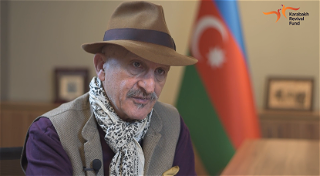 Torture made a game the spoon story
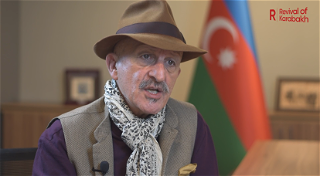 Great leaders come once a generation
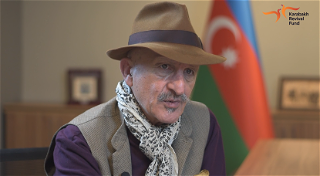 Aliyev’s peace paved path to return