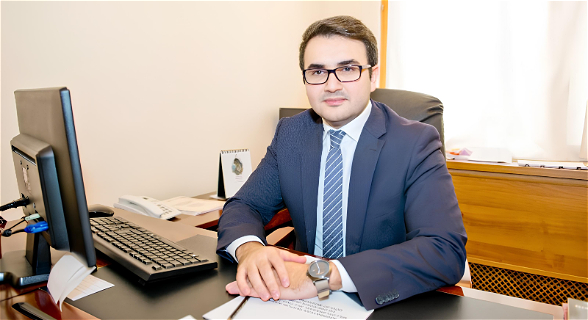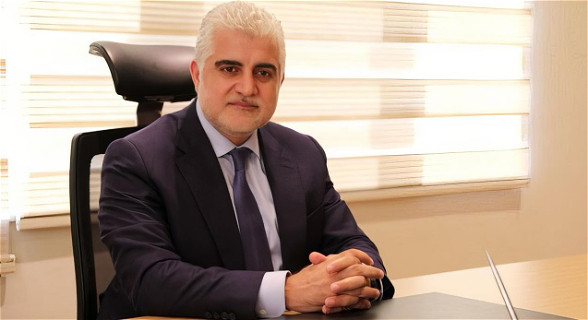
 Elnur Soltanov
Deputy Minister of Energy of the Republic of Azerbaijan
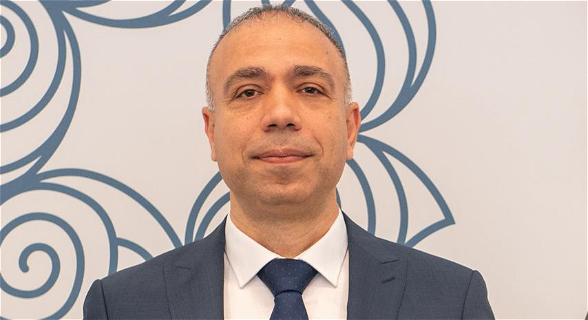
Elnur Soltanov
Deputy Minister of Energy of the Republic of Azerbaijan
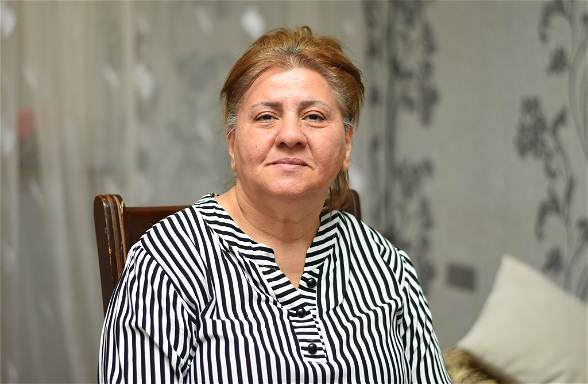
Garagoz Pashayeva
Forcibly displaced person and a former resident of Fuzuli districtIntro
In this interview, Garagoz Pashayeva, a forcibly displaced person and a former resident of Fuzuli, reflects on her life before the Armenian occupation and the difficult journey of displacement. She shares the emotional impact of leaving her homeland and the trauma it caused her family.
Pashayeva expresses her deep love for Karabakh and her hope for a future where she can return to her ancestral home. She also honors the sacrifices of Azerbaijan’s soldiers and martyrs, emphasizing the importance of their role in reclaiming the occupied lands. Despite the hardships, Pashayeva remains optimistic about the future and looks forward to seeing Fuzuli rebuilt.
Summary
In Garagoz Pashayeva’s opinion, her life in Fuzuli before the Armenian occupation was filled with joy and a strong sense of belonging. Born in 1969, she grew up in a close-knit community, working in the state drama theatre. Her life changed drastically when the Armenians forced her family and other residents to flee Fuzuli in 1993. Pashayeva describes the painful moment of displacement, emphasizing that they left not as refugees but as internally displaced persons, forced to abandon their homes and livelihoods. The memory of leaving her homeland is still vivid in her mind, and the longing for Karabakh has never left her.
Pashayeva explains that after arriving in Baku, her family settled in a dormitory, where they lived in difficult conditions for many years. The experience of displacement affected her deeply, particularly as she was pregnant at the time. The stress and fear during this period had lasting consequences for her child, who developed serious health issues. Despite these challenges, Pashayeva never gave up hope that one day she would return to Fuzuli.
Throughout the interview, Pashayeva sings songs and recites poems dedicated to Karabakh, reflecting her deep emotional connection to the land. She recalls how she raised her children with stories and songs about their homeland, ensuring that they never forgot where they came from. Pashayeva expresses immense gratitude to Azerbaijan’s leadership, particularly President Ilham Aliyev, for reclaiming Karabakh and bringing hope back to the displaced people. She speaks with reverence for the soldiers and martyrs who sacrificed their lives to liberate the occupied territories, bowing before their memory and acknowledging their bravery.
Pashayeva also shares her memories of the Armenian invasion of Fuzuli, describing how Armenian forces entered the village of Veysalli with tanks and forced the residents to flee. Her husband, a veteran, stayed behind to fight, while Pashayeva and other women and children were evacuated. The Armenians looted and destroyed their home, leaving behind only memories and a few personal belongings captured on video. Despite the devastation, Pashayeva remained hopeful that they would one day return to their land.
Reflecting on her life in displacement, Pashayeva describes the hardships her family endured while living in a dormitory for nearly 20 years. She recalls how her family was eventually provided with a new home, thanks to the efforts of President Ilham Aliyev. However, even with a new house, Pashayeva’s heart remained in Fuzuli, and she longed to return to her village to visit her father’s grave, which was miraculously spared from destruction.
Pashayeva expresses her belief in the vision of Heydar Aliyev, who always said that Azerbaijan would one day return to Karabakh. She recounts the day Fuzuli was liberated, describing the overwhelming emotions she felt as she cried with joy and gratitude. Pashayeva is now eager to return to her homeland, where she hopes to spend the rest of her life with her family, rebuilding what was lost and passing on the legacy of Karabakh to future generations.
As a former actress, Pashayeva looks forward to the possibility of resuming her work in the Fuzuli Drama Theatre, contributing to the cultural revival of the region. She believes that her life experiences have taught her valuable lessons, and she hopes to share those lessons with others through her art. Pashayeva remains optimistic about the future of Karabakh and dreams of a prosperous and peaceful life for her children and grandchildren in their homeland.