 Reconstruction: From Ruins to Renaissance
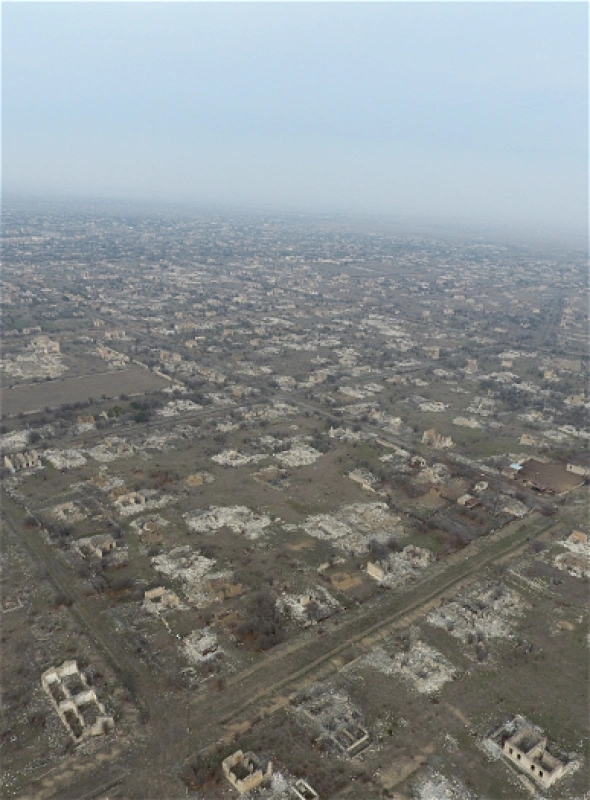
The Armenian occupation of Karabakh left behind a haunting legacy of urbicide—the systematic destruction of cities, erasing not just their buildings but the very essence of their cultural, historical, and social fabric. Once-thriving urban centers such as Aghdam, Shusha, Fuzuli, Jabrayil, Zangilan, and many others were methodically reduced to ruins, their landscapes scarred by deliberate annihilation. Streets that once echoed with life were silenced, transformed into desolate ghost towns, stripped of their heritage and identity.
Aghdam, often called the “Hiroshima of the Caucasus,” epitomises the devastation. Entire neighborhoods were leveled, its mosques left in ruin, and its once-vibrant markets turned to dust.
Shusha, the cradle of Azerbaijani music, poetry, and culture, suffered the desecration of its mosques, the destruction of monuments, and the erasure of artistic landmarks that had stood for centuries.
Fuzuli, once a flourishing district, was reduced to an empty wasteland, its schools, homes, and places of worship obliterated beyond recognition.
This urbicide was not merely an act of war; it was a targeted attempt to erase history itself, to sever the deep-rooted connection between the Azerbaijani people and their ancestral lands. The destruction went beyond the physical - it sought to obliterate memory, culture, and identity, leaving behind only skeletal remains of once-vibrant civilisations.
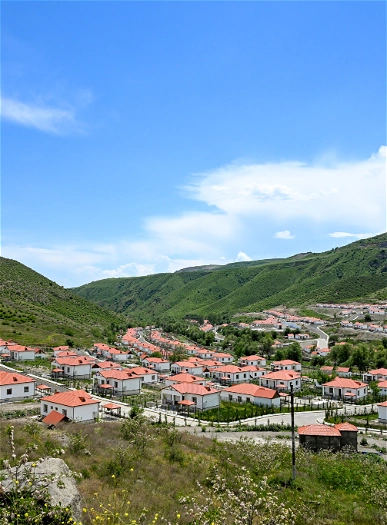
Yet, even in the face of such devastation, Karabakh’s story does not end in ruin. Reconstruction has begun, and the spirit of these cities, though wounded, refuses to be extinguished. Aghdam, Shusha, and Fuzuli are rising from the ashes as Azerbaijan embarks on an ambitious mission to restore life, rebuild heritage, and reclaim identity.
This tragedy stands as a stark reminder of the horrors of war - but also of the resilience of a people determined to revive what was taken from them.
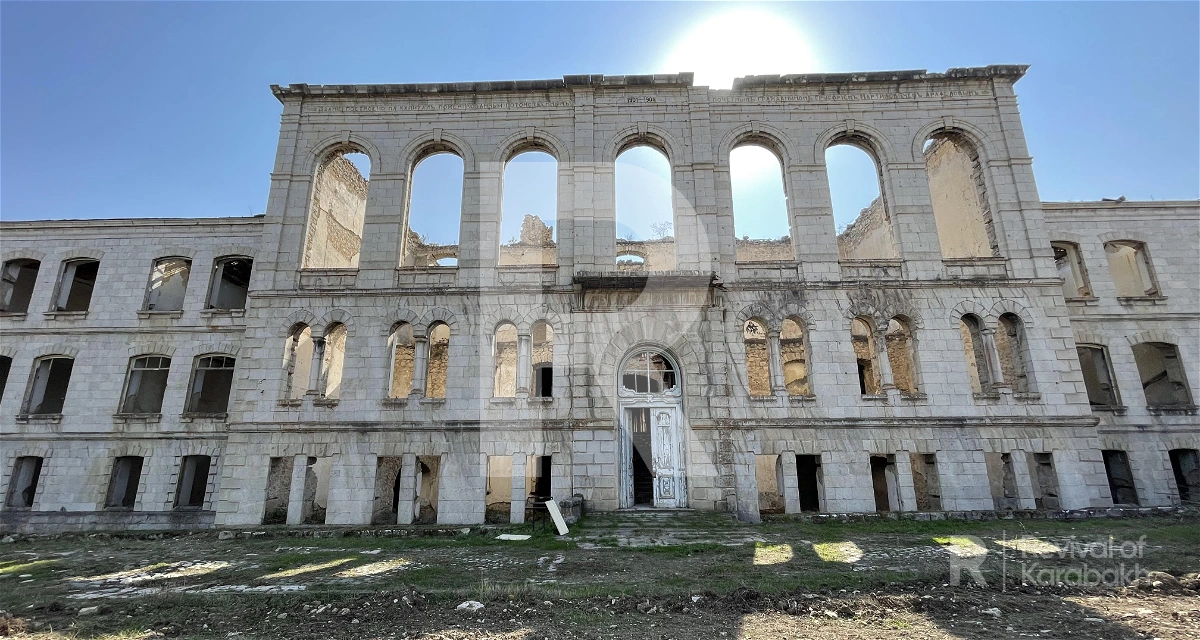 Established in 1881, the Shusha Realni School was a pioneering six-year educational institution in Azerbaijan, reflecting the region’s commitment to modern education. The school’s architectural elegance symbolized Shusha’s burgeoning cultural heritage. During the Armenian occupation, the structure suffered significant damage and fell into disrepair. Following liberation by Azerbaijani Armed Forces in 2020, restoration efforts have been initiated to revive this historic landmark, aiming to reopen its doors to students in the near future.
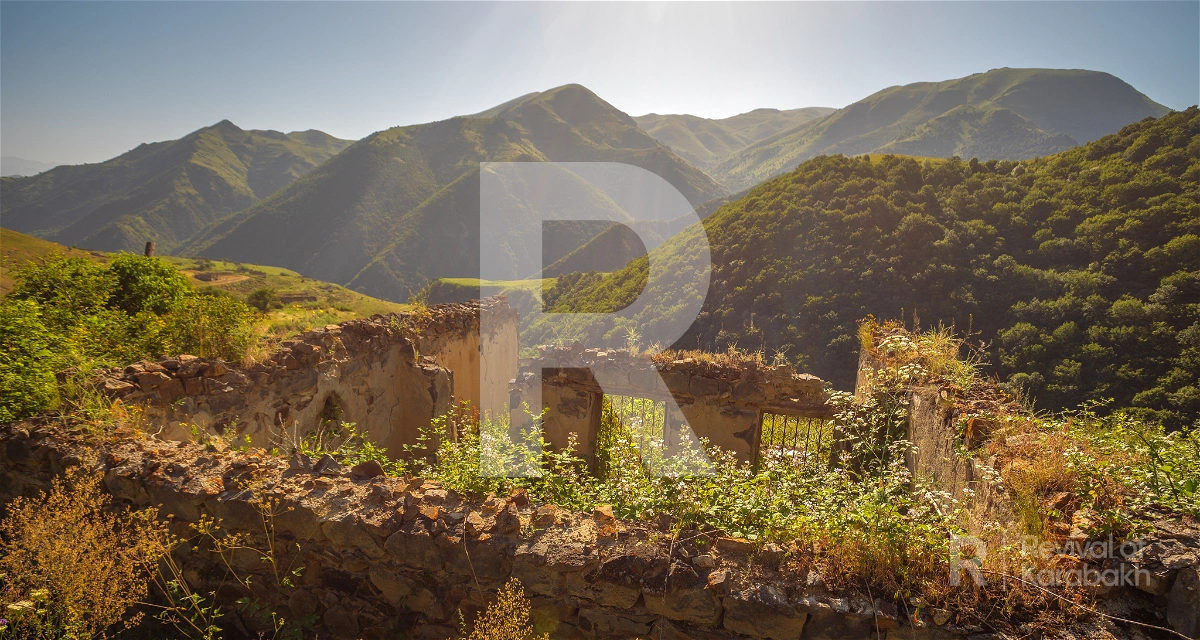 Nestled among the majestic mountains of Kalbajar, Imambinasi Village lies in ruins - a stark reminder of the destruction inflicted during the occupation. Once a vibrant settlement, it was left abandoned and overgrown.
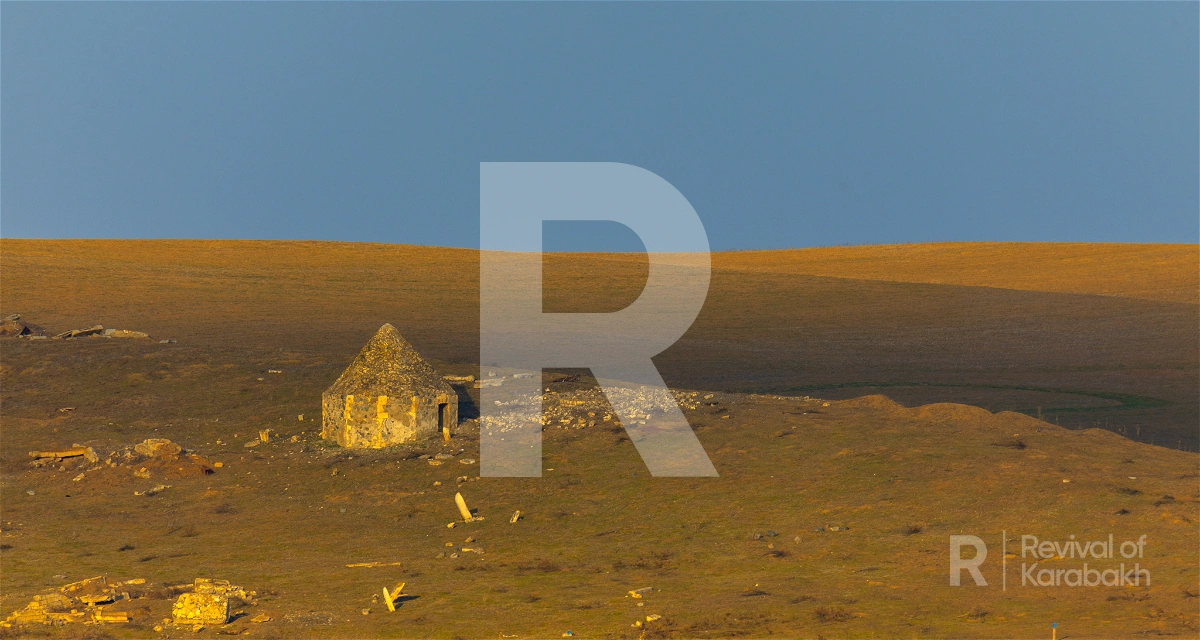 Standing in solitude amidst the ruins of Fuzuli District, this ancient tomb bares silent witness to centuries of history. Once part of a thriving cultural landscape, it endured the devastation of war and occupation. Yet, despite the carnage around it, the tomb remains - a symbol of resilience and Azerbaijan’s enduring heritage, awaiting restoration.
  The Ashaghi Govhar Agha Mosque, constructed between 1874 and 1875 under the patronage of Govhar Agha, daughter of Ibrahim Khalil Khan, is a significant example of Azerbaijani Islamic architecture located in the lower section of Shusha. During the occupation, the mosque suffered extensive damage and desecration. Following liberation, comprehensive restoration efforts have been undertaken to return this cultural and religious landmark to its former glory.
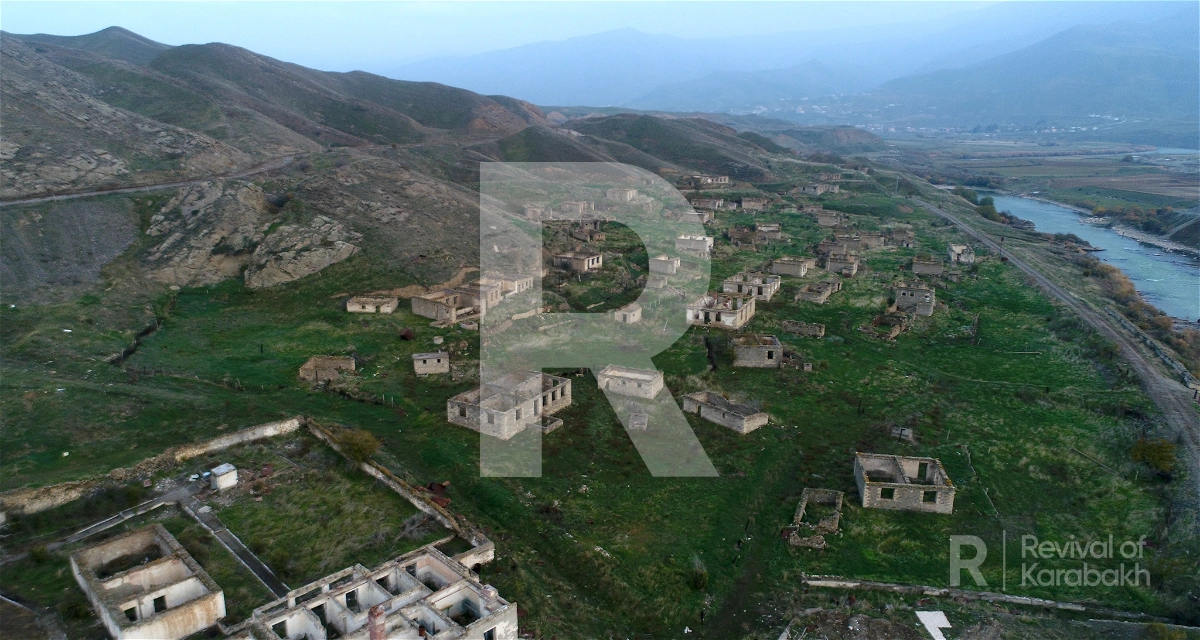 Once a thriving settlement on the banks of the Araz River, Khudafarin village in Jabrayil district now lies in ruins, a haunting reminder of the destruction inflicted. Scattered remnants of homes and buildings stand abandoned, yet the village remains deeply rooted in the land, awaiting revival and restoration after years of devastation.
 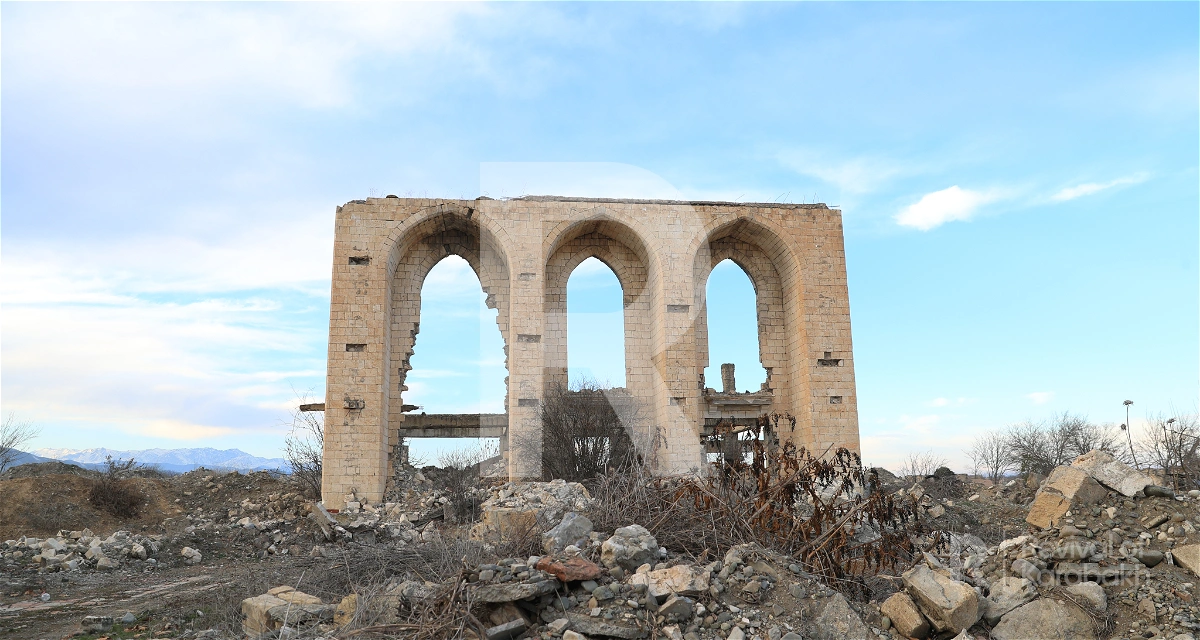 The Aghdam State Drama Theater, named after playwright Abdurrahim Hagverdiyev, was a cultural landmark that once brought the arts to life in Karabakh. Constructed in the mid-20th century, this grand building stood as a hub for Azerbaijani theater until its destruction during the occupation in 1993. Rather than being rebuilt, its ruins have been conserved and integrated into a memorial complex, serving as a solemn tribute to Aghdam’s heritage.
 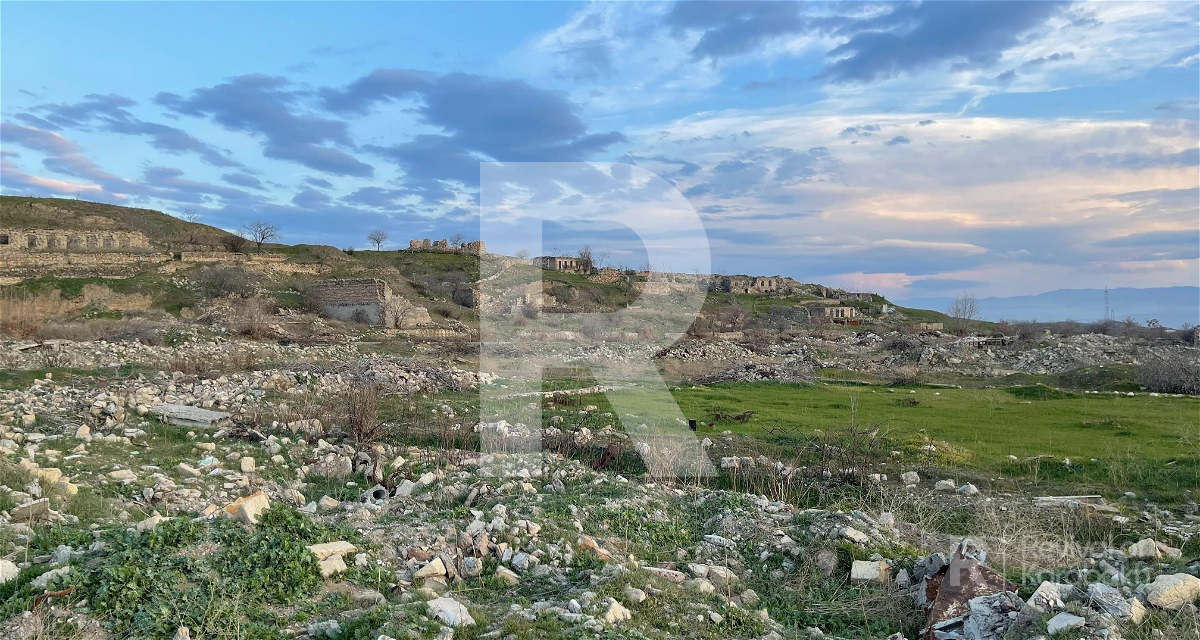 The city center of Jabrayil, once a vibrant hub of life and culture, now lies in ruins - its streets erased, its buildings destroyed. Decades of occupation and deliberate destruction turned this once-thriving settlement into a ghost town. Yet, amid the devastation, the land awaits rebirth and reconstruction, as Jabrayil already takes its first steps toward a new era.
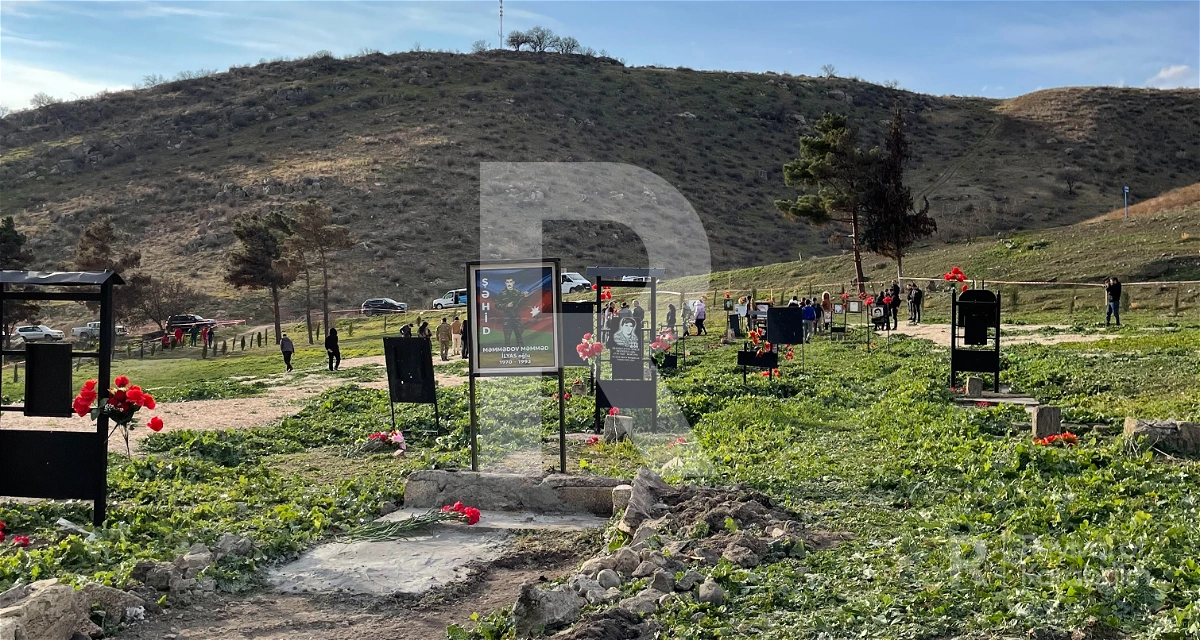 The Martyrs’ Cemetery in Zangilan, a sacred resting place for those who perished in the First Karabakh War, was completely destroyed during the dark times. For years, the graves were systematically erased from the landscape, left unmarked and forgotten. Only after Zangilan’s liberation in 2020 did the painstaking process of restoring and identifying the graves begin, allowing the fallen to be honoured once more.
 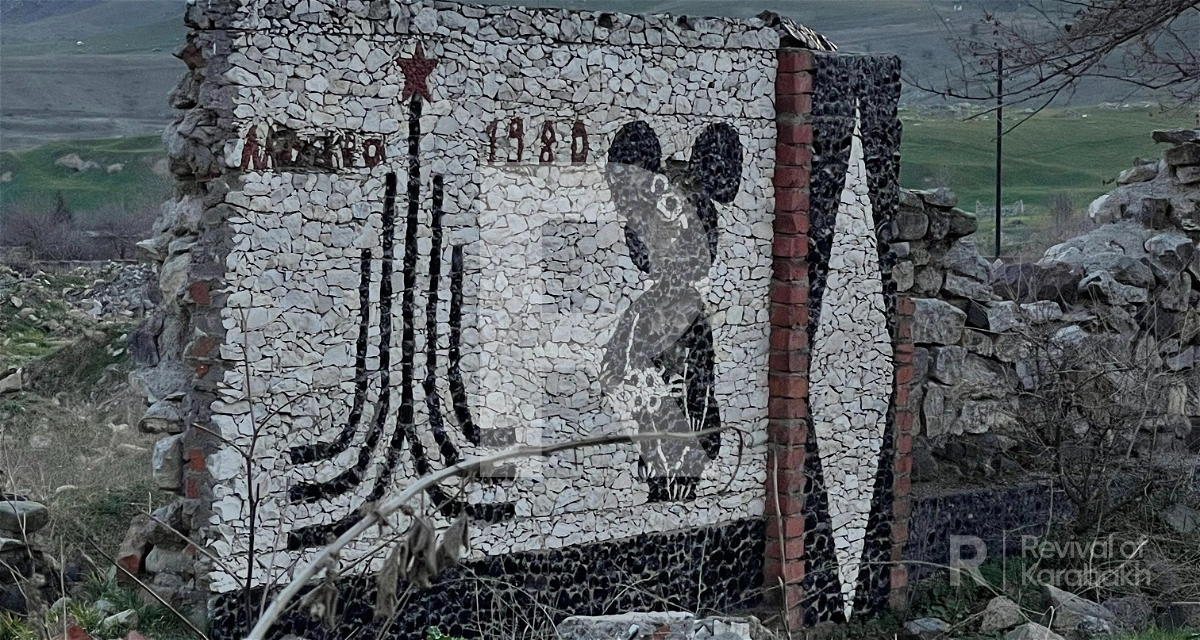 Amid the ruins of Jabrayil, a solitary stone mosaic depicting the 1980 Moscow Olympics mascot remains - a faded relic of a bygone era. It stands as a silent witness to the destruction that engulfed the city, a stark contrast between past hopes and the devastating reality of war.