 Deep wounds (1988-1994)
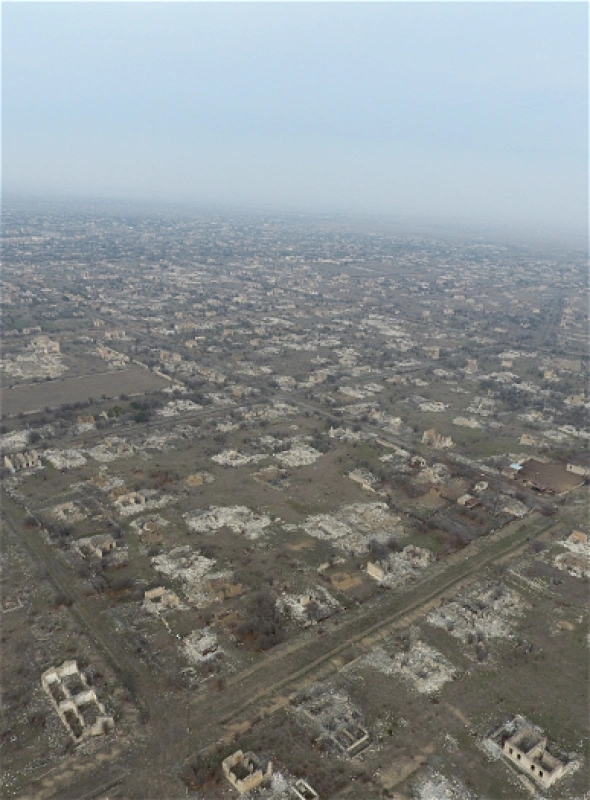
The Armenian occupation of Karabakh left behind a haunting legacy of urbicide—the systematic destruction of cities, erasing not just their buildings but the very essence of their cultural, historical, and social fabric. Once-thriving urban centers such as Aghdam, Shusha, Fuzuli, Jabrayil, Zangilan, and many others were methodically reduced to ruins, their landscapes scarred by deliberate annihilation. Streets that once echoed with life were silenced, transformed into desolate ghost towns, stripped of their heritage and identity.
Aghdam, often called the “Hiroshima of the Caucasus,” epitomises the devastation. Entire neighborhoods were leveled, its mosques left in ruin, and its once-vibrant markets turned to dust.
Shusha, the cradle of Azerbaijani music, poetry, and culture, suffered the desecration of its mosques, the destruction of monuments, and the erasure of artistic landmarks that had stood for centuries.
Fuzuli, once a flourishing district, was reduced to an empty wasteland, its schools, homes, and places of worship obliterated beyond recognition.
This urbicide was not merely an act of war; it was a targeted attempt to erase history itself, to sever the deep-rooted connection between the Azerbaijani people and their ancestral lands. The destruction went beyond the physical - it sought to obliterate memory, culture, and identity, leaving behind only skeletal remains of once-vibrant civilisations.
Yet, even in the face of such devastation, Karabakh’s story does not end in ruin. Reconstruction has begun, and the spirit of these cities, though wounded, refuses to be extinguished. Aghdam, Shusha, and Fuzuli are rising from the ashes as Azerbaijan embarks on an ambitious mission to restore life, rebuild heritage, and reclaim identity.
This tragedy stands as a stark reminder of the horrors of war - but also of the resilience of a people determined to revive what was taken from them.
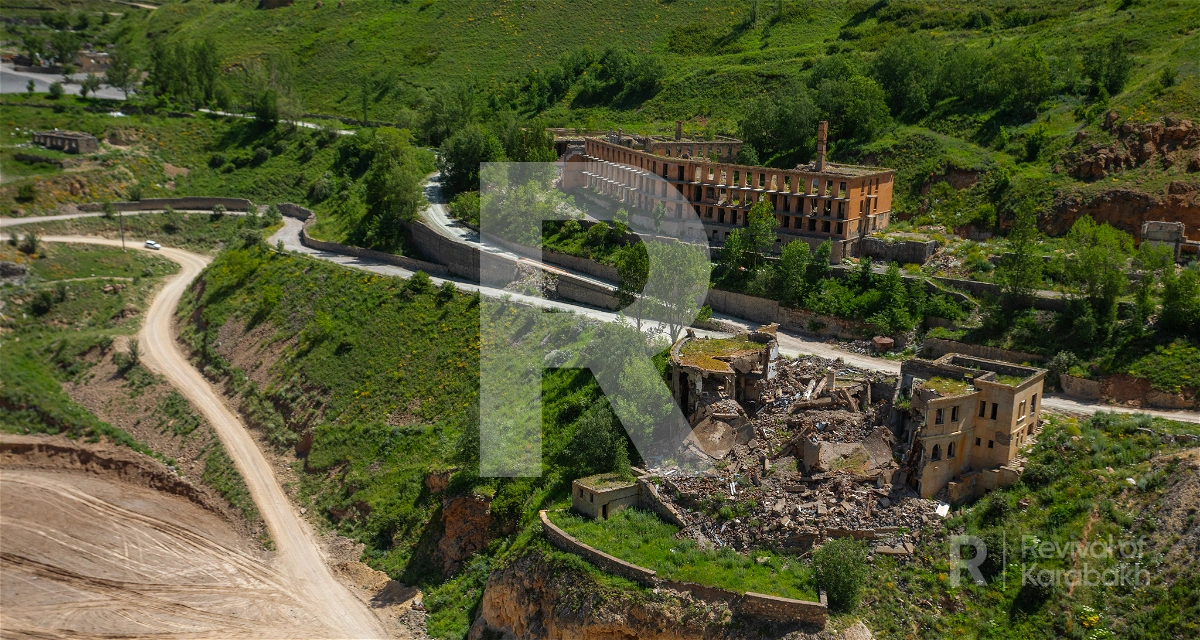 Once a renowned sanctuary of healing waters, the Istisu resort in Kalbajar now stands in ruin - a haunting testament to the destruction wrought during the Armenian occupation. Nestled in the lush mountains, its shattered remains whisper of a past when visitors sought solace in its mineral-rich springs. Standing in silence, it awaits renewal.
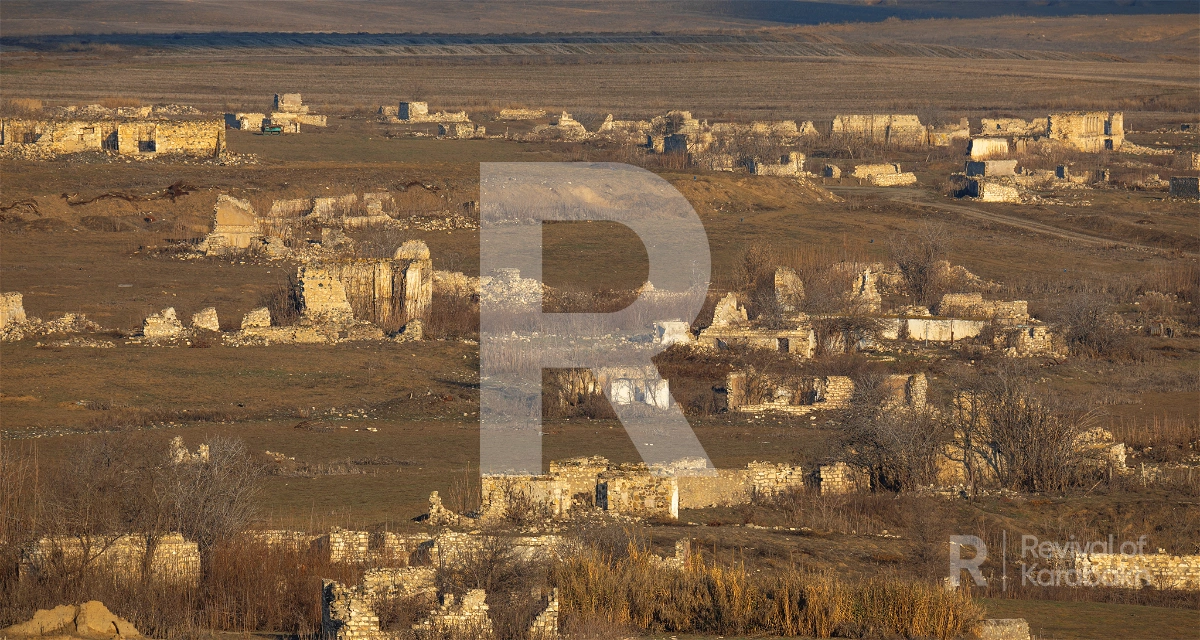 The ruins of Fuzuli district stand as a stark testament to the systematic destruction inflicted during the decades of occupation. Once home to thousands, the district was reduced to desolation, its buildings left in rubble and its streets emptied of life.
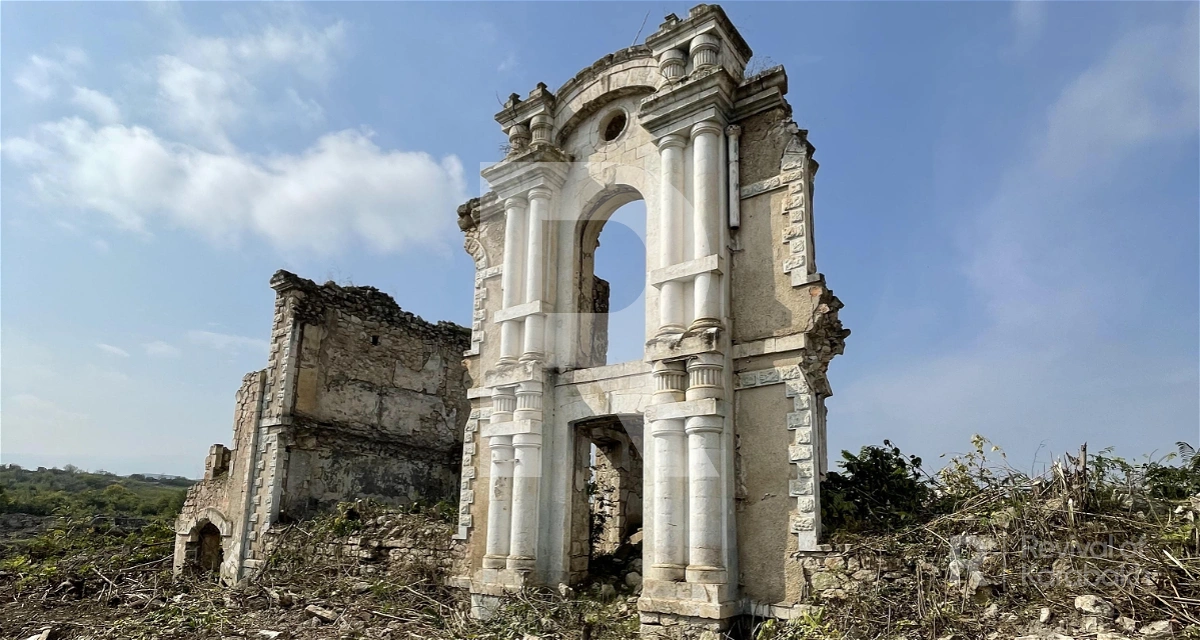 The crumbling façade of the Araz newspaper office in Fuzuli stands as one of the last remnants of a once-thriving city. Once a hub of information and public discourse, it now lies in ruins - a poignant symbol of the devastation and cultural erasure inflicted during the Armenian occupation.
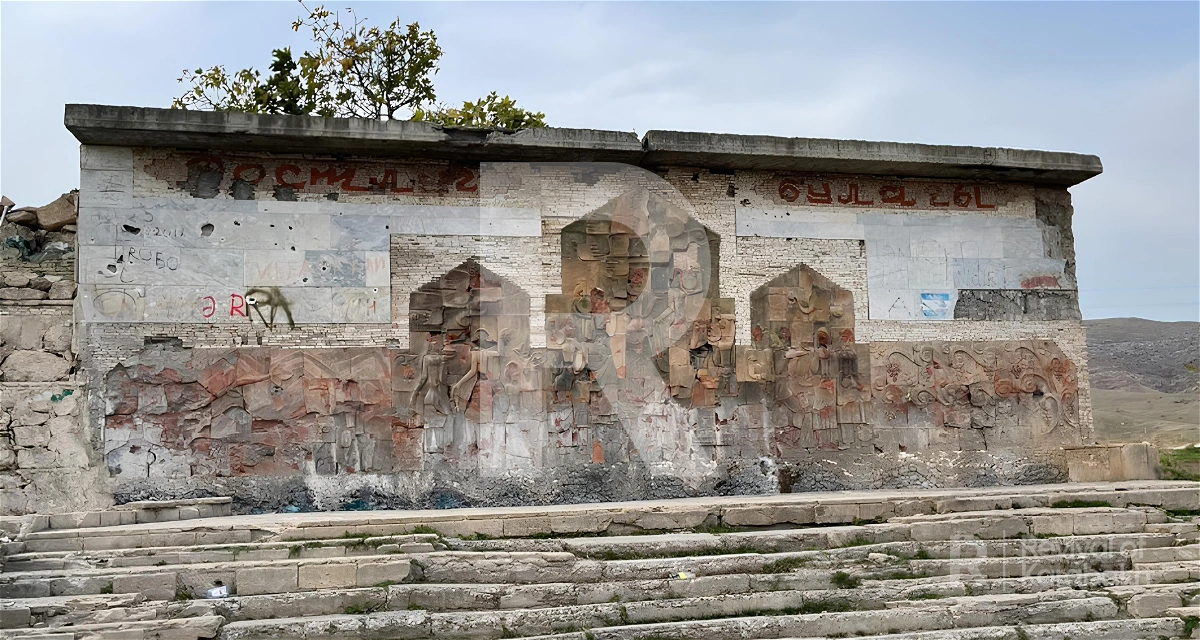 The Dostlug (Friendship) Spring in Jabrayil, once a symbol of community and harmony, now stands in decay. Its once-vibrant mosaics, which once adorned the structure with beauty and meaning, have been defaced and eroded, leaving behind only fragments of its past - a haunting reminder of the cultural loss inflicted upon the city.
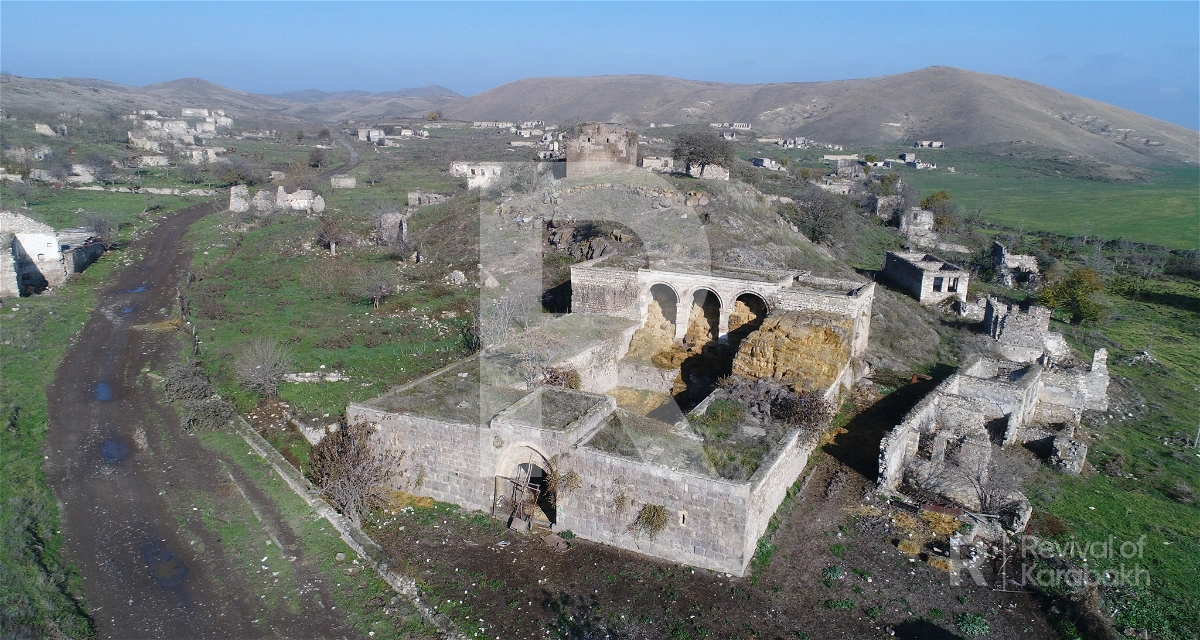 The Gargabazar Caravanserai in Fuzuli district, a relic of Azerbaijan’s rich trade heritage, now lies in decay. Once a bustling rest stop for merchants traveling the Silk Road, its arches and walls stand weathered by time and conflict.
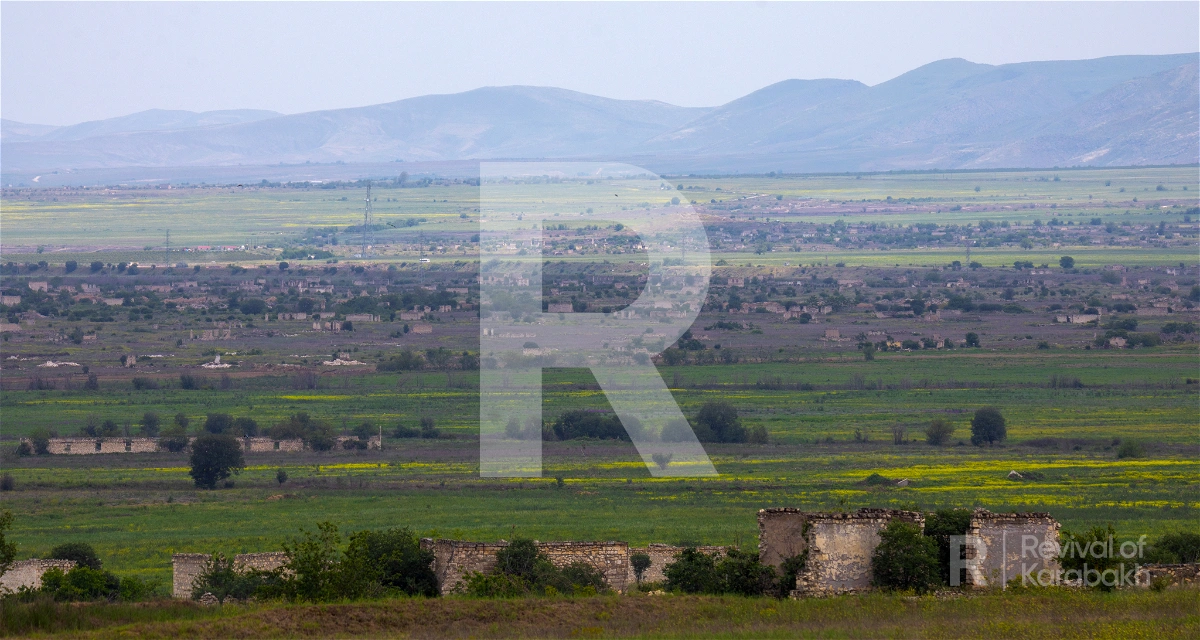 The vast landscapes of Aghdam district, once bustling with life, now stretch in quiet emptiness, marked by the scars of war and destruction. Amidst the ruins, nature has begun to reclaim the land, while Azerbaijan’s reconstruction efforts pave the way for a new chapter - one of revival, renewal, and the return of those who once called Aghdam home.
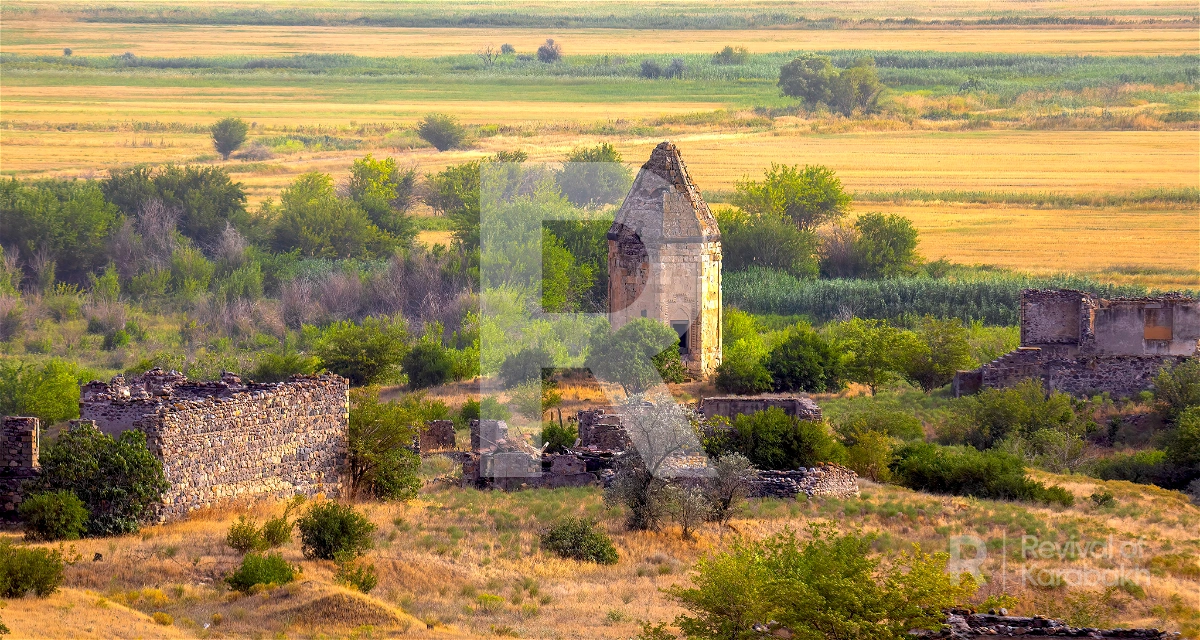 The octagonal tomb in Mammadbeyli village, Zangilan District, stands as a timeless symbol of Azerbaijan’s rich architectural and cultural endowment. Built in the 14th century, this elegant structure has endured centuries of history and conflict, surviving the devastation of Armenian occupation.
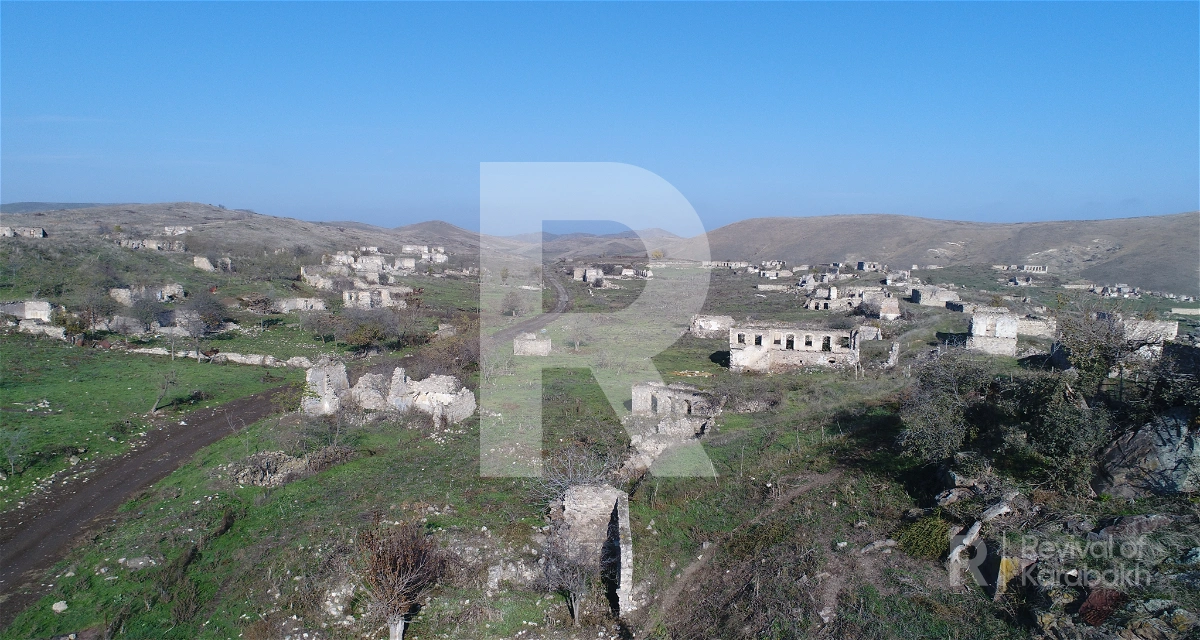 The ruins of Garghabazar Village in Fuzuli District stand as a stark reminder of the widespread destruction inflicted during the Armenian occupation.
 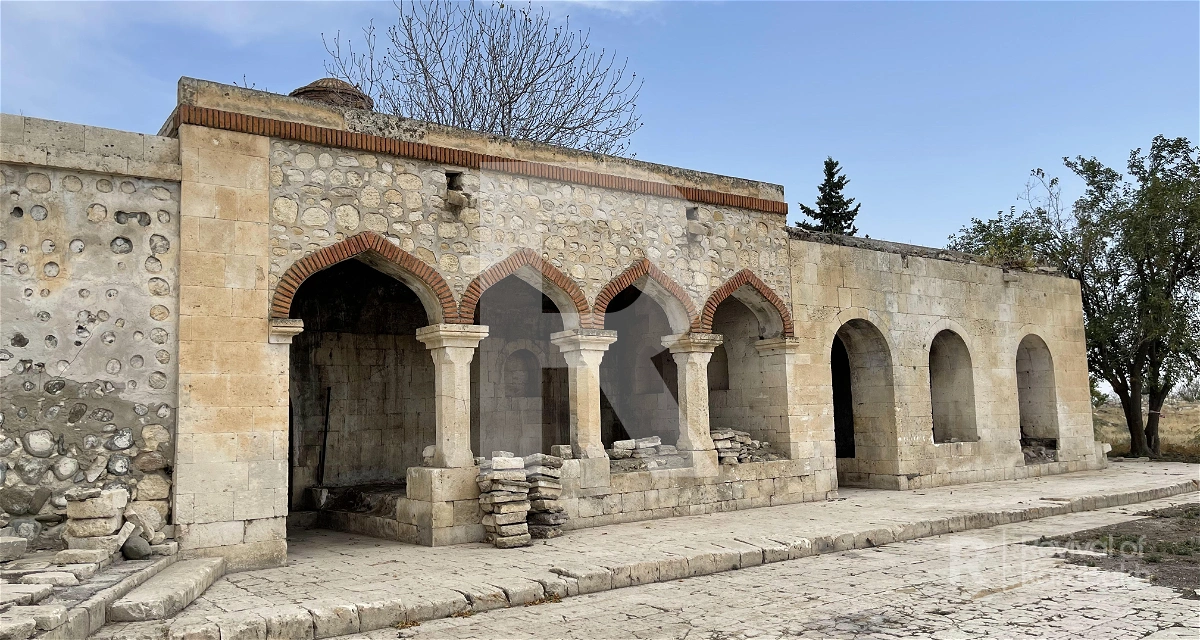 Located in the heart of Aghdam, the Panah Ali Khan’s Imarat Palace was once a lavish 18th-century residence. A masterpiece of architecture, it stood as a symbol of Karabakh’s noble heritage. Like countless historical, cultural, and religious sites in the occupied territories, the Imarat Complex suffered significant vandalism. This palace of grandeur was desecrated and repurposed as a cattle stable, its walls bearing witness to the systematic destruction of Azerbaijani heritage.
 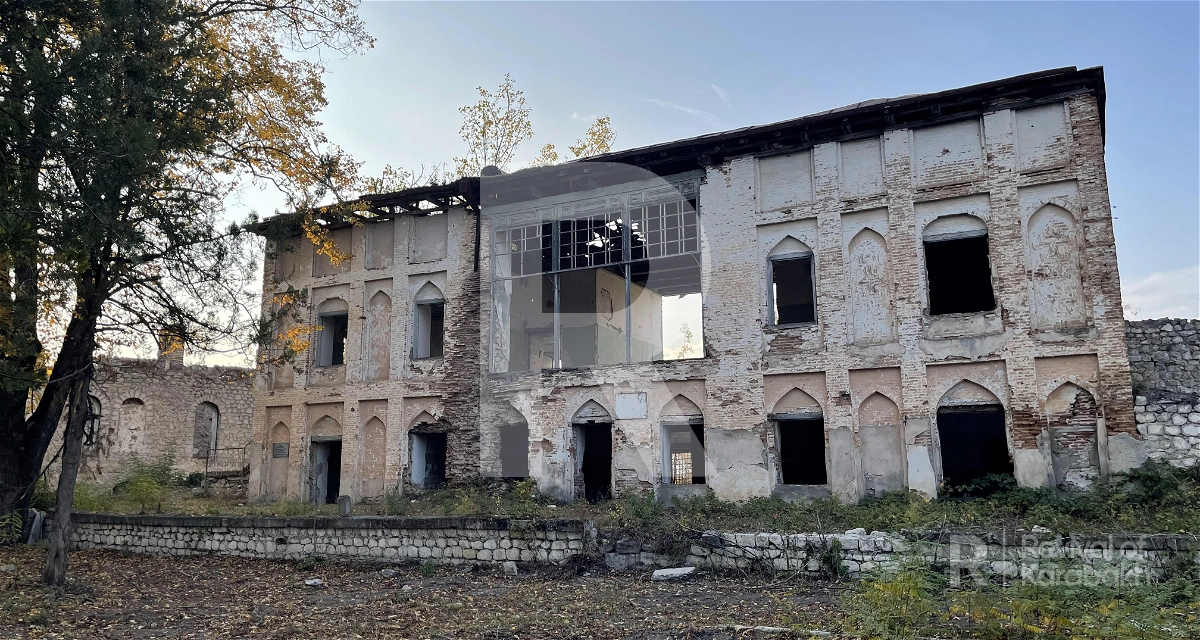 The Khan’s Palace in Shusha, once a magnificent symbol of Azerbaijani royalty and cultural endowment, now stands in abject ruin. Once adorned with intricate architectural details, it suffered severe destruction during the occupation, leaving behind only hollow window frames and crumbling walls. A silent witness to history, it awaits restoration to reclaim its former grandeur.
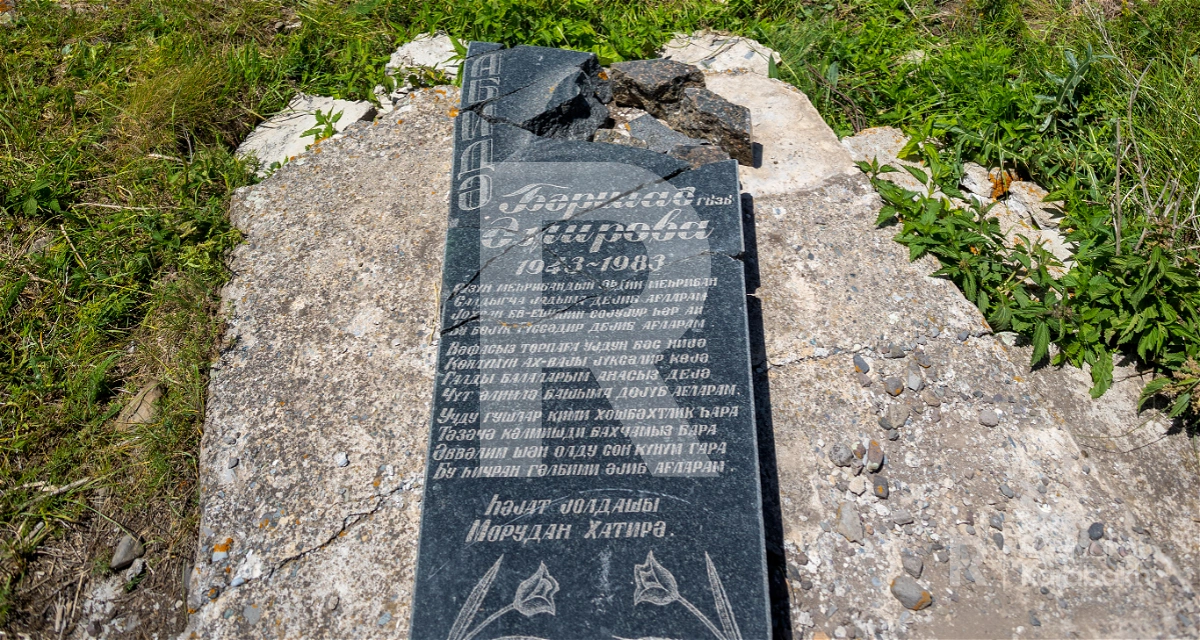 In Imambinasi village, Kalbajar District, this gravestone is one of thousands desecrated by the Armenians, reflecting the widespread destruction of Azerbaijani heritage during the occupation. Once a site of reverence, it was reduced to rubble, yet the legacy of those buried here lives on, safeguarded by the memory of their people.
 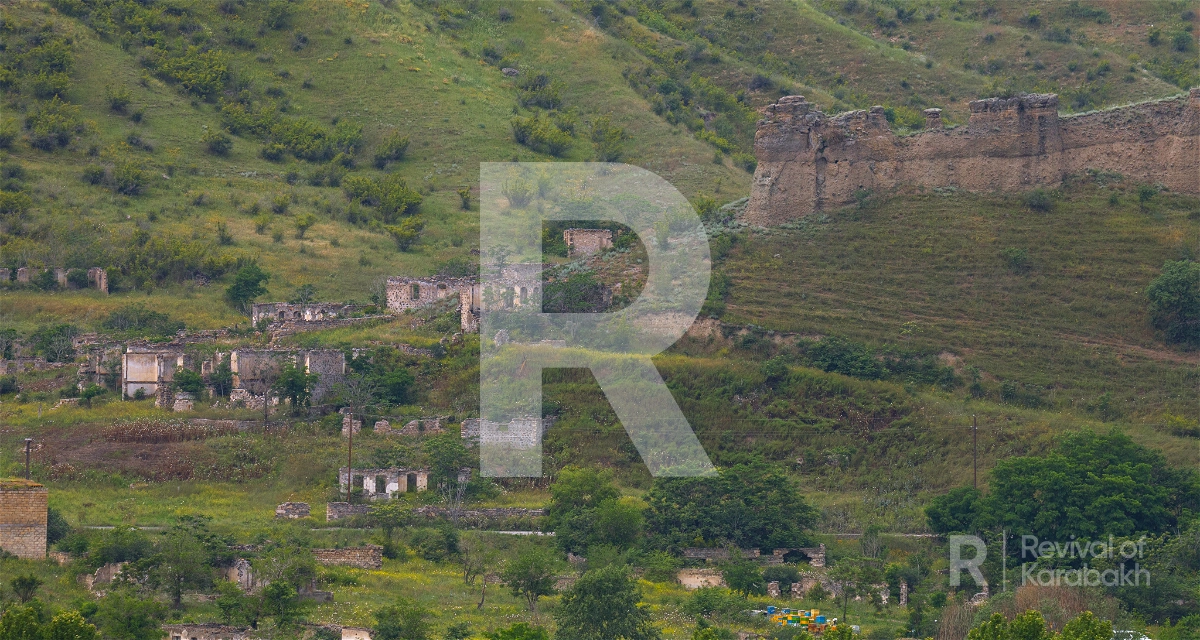 Amid the lush hills of Qubadli district, the ruins of once-thriving settlements lie in the shadow of an ancient fortress. While village were reduced to rubble during the occupation, the fortress stood strong, enduring the destruction. Now, just like Karabakh itself, it lives through its revival, witnessing the region’s path to restoration and renewal.
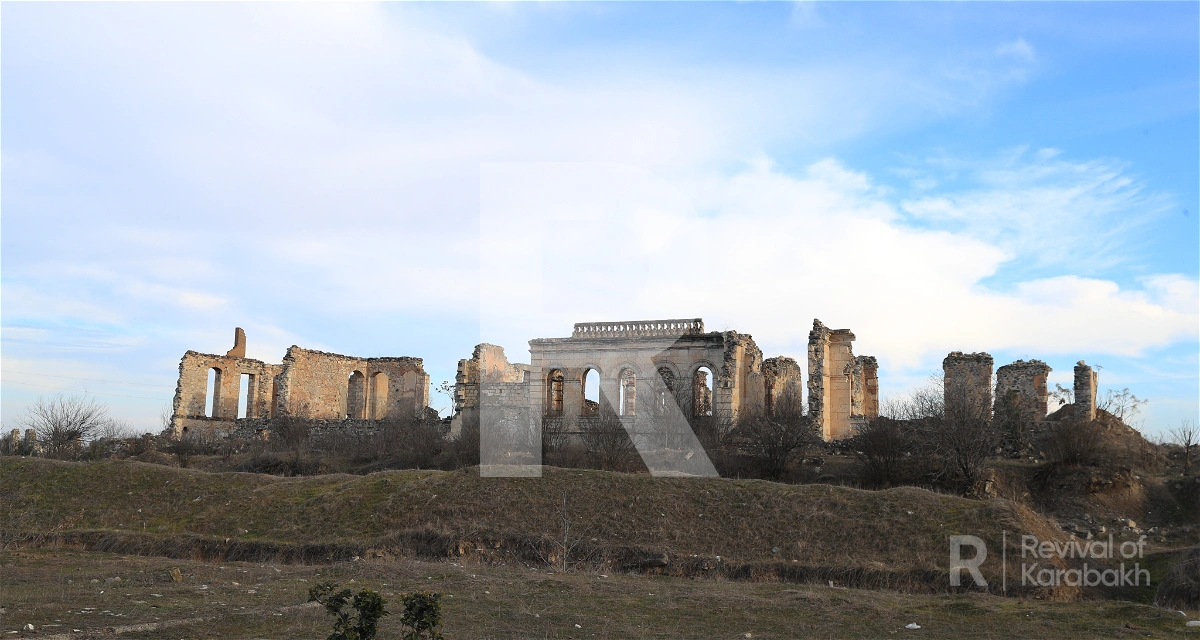 Built in 1985 and named after Khan Shushinski, the Aghdam Mugham School was a hub of Azerbaijani musical heritage. Home to the renowned “Karabakh Nightingales” ensemble, it nurtured talented khanandas. Destroyed during the occupation, its remains stood in silence - where once the echoes of Mugham filled the air.
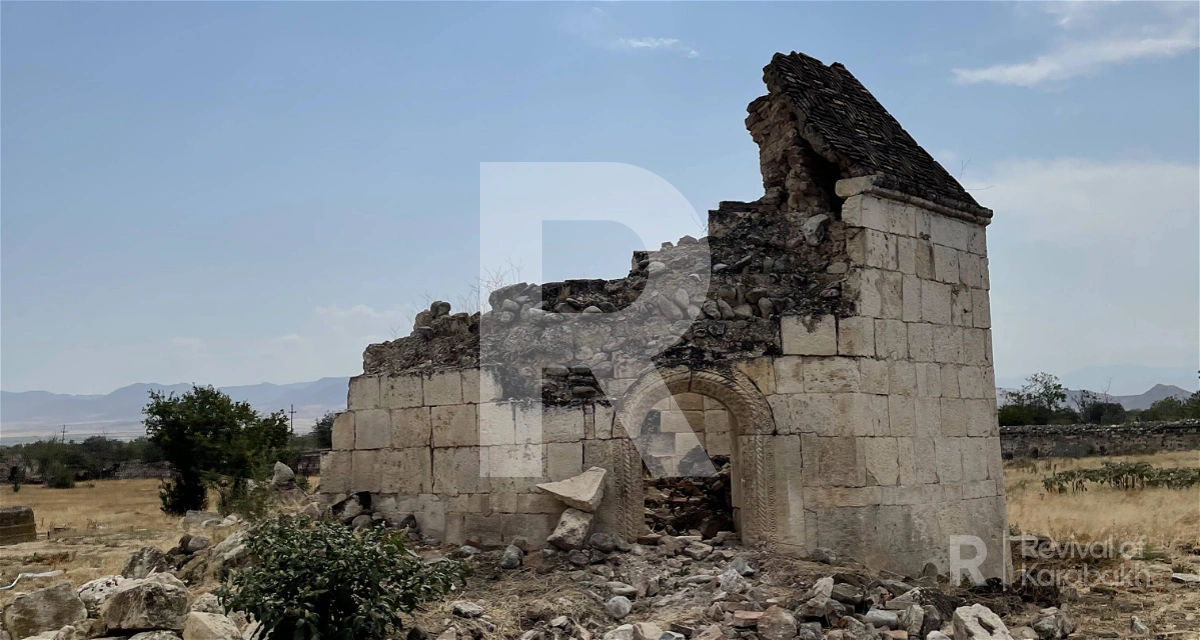 The tomb of Ibrahim Khalil Khan in Imarat Cemetery, Aghdam, once left in ruin during the occupation, has been reconstructed after liberation. A vital part of Karabakh’s historical heritage, this mausoleum, which was once desecrated and defaced, now stands restored - honouring the legacy of the Karabakh khanate and the resilience of Azerbaijani history (see the photos of the reconstructed tomb in the later chapters).
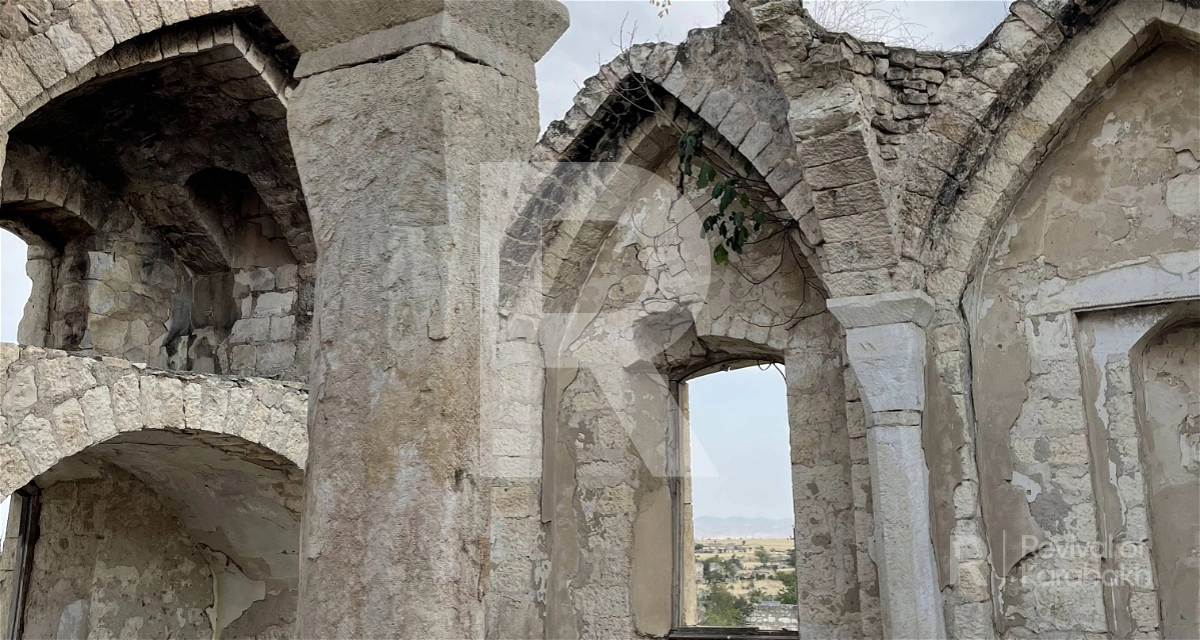 The Giyaslı Mosque, an 18th-century architectural gem in Aghdam’s Giyaslı village, once stood as a testament to Azerbaijan’s glorious cultural and religious endowment. During the occupation, this sacred site was desecrated and repurposed as an animal stable, leading to significant structural damage. Following the liberation of Aghdam in 2020, efforts have commenced to restore and preserve the mosque, aiming to revive its historical and spiritual significance.