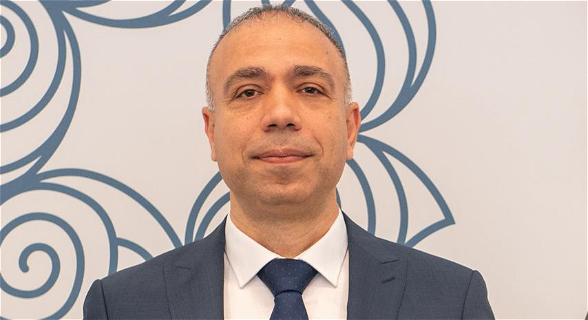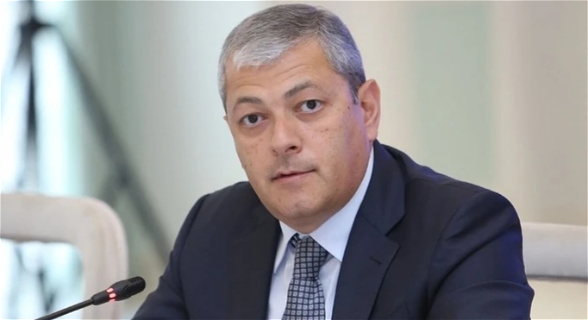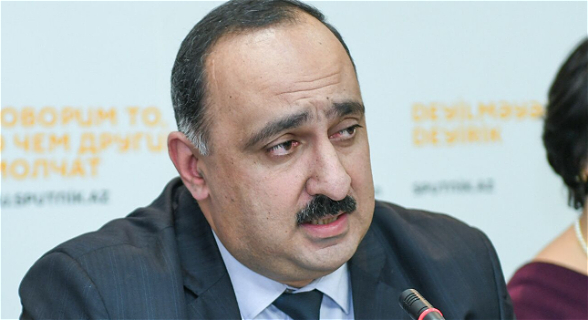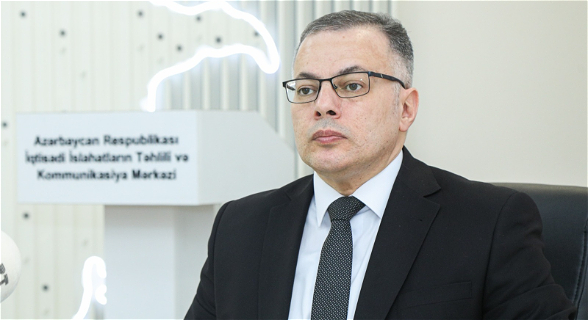
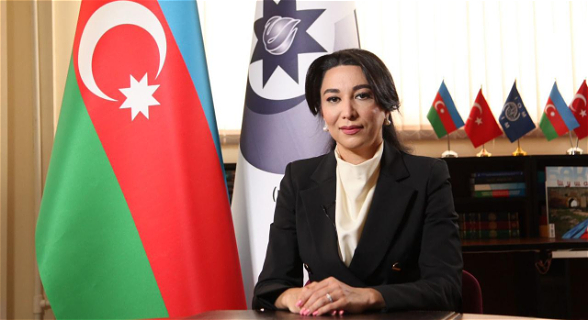
 Sabina Aliyeva
The Commissioner for Human Rights (Ombudsman) of the Republic of Azerbaijan
Sabina Aliyeva
The Commissioner for Human Rights (Ombudsman) of the Republic of Azerbaijan
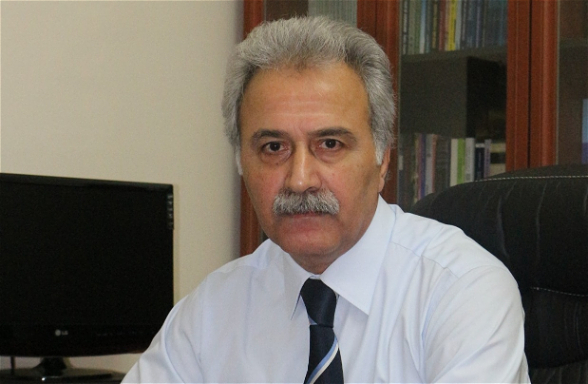
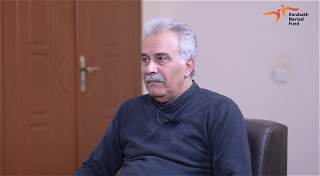
Nazim Imanov
Expert on post-conflict reconstruction, Director of the Institute of the Economy under Azerbaijan National Academy of SciencesIntro
In this interview, Nazim Imanov, an expert on post-conflict reconstruction, director of the Institute of the Economy under Azerbaijan National Academy of Sciences, discusses the planning and challenges associated with rebuilding Karabakh after its liberation.
He highlights the strategic efforts to determine the number of returnees, their needs, and the resources required for reconstruction. Imanov emphasizes the importance of a carefully coordinated approach, integrating housing, education, healthcare, and agriculture. He also reflects on the lessons learned from international examples of reconstruction and the unique opportunity to build Karabakh as a modern, innovative region with a focus on sustainable development and smart technologies.
Summary
In Nazim Imanov opinion, the liberation of Karabakh was not only a momentous historical event but also a significant logistical and strategic challenge for Azerbaijan. He explains that, long before the territories were liberated, there were already discussions about how to approach the restoration of Karabakh. Imanov and his colleagues believed that while the timing of Karabakh’s liberation was uncertain, it was inevitable. With that mindset, they began contemplating how to rebuild the region and what would be needed to restore the lives of displaced people.
One of the first steps Imanov's team took was to survey the internally displaced persons (IDPs) to gather data on how many people would return to Karabakh and what their needs would be. This included assessing the number of teachers, doctors, children, and elderly individuals, as well as understanding people’s interest in entrepreneurship and agriculture. Imanov believes that only by understanding these dynamics could they begin to plan for the restoration of the region’s economy and social infrastructure.
Imanov emphasizes that international examples of post-conflict or post-disaster recovery were studied, although they did not find a perfect model to replicate. They analyzed cases from around the world, particularly regions devastated by war or natural disasters, to extract useful insights. However, Imanov notes that their efforts were not focused purely on technical planning, such as housing designs, but on creating a comprehensive vision for the future of Karabakh that integrated all aspects of life—housing, education, healthcare, and agriculture.
Reflecting on the practicalities of reconstruction, Imanov explains that the process must follow a logical sequence. Before building houses, there must be access to basic utilities like water, gas, and electricity. Without these services, it is impossible for families to move back and rebuild their lives. Schools, healthcare facilities, and other essential infrastructure must also be in place to ensure the returnees have a decent quality of life. Imanov admits that coordinating these efforts is incredibly complex, particularly given the mine contamination that still affects large parts of the region. Demining is a critical obstacle that must be overcome before land can be used for agriculture or construction.
Imanov also shares his frustration with the lack of international support for the reconstruction of Karabakh. While Azerbaijan has received some assistance, notably from Kazakhstan and Uzbekistan, the majority of the reconstruction effort is being financed by Azerbaijan’s own resources. Imanov notes that Azerbaijan’s leadership is focused on setting high standards for the restoration, as President Ilham Aliyev has stated his vision for Karabakh to be one of the most beautiful regions in the world. This ambition has raised the bar for the quality of infrastructure, which is being built at a higher standard than in other parts of the country.
One of the key areas of development Imanov discusses is the integration of innovation into Karabakh’s economy. He believes that since the region is being built from scratch, there is a unique opportunity to implement the best technologies and practices, making it a hub for innovation. He points to agriculture as one of the sectors that can benefit from modern methods, such as smart farming and the use of drones. Imanov explains that these innovations will not only make agriculture more efficient but will also help attract younger generations to stay and work in the region.
Imanov also highlights the development of smart villages as part of Karabakh’s future. These villages will not only provide modern living conditions but will also integrate advanced technologies into everyday life. He envisions a region where both traditional industries, such as livestock breeding, and innovative sectors, such as electronics, coexist and flourish.
Ultimately, Imanov is optimistic about the future of Karabakh. He believes that the high standards being set for the region’s reconstruction will make it an attractive place for IDPs to return and settle. He notes that everything from the roads to the water systems is being designed with the goal of improving living conditions. In his view, Karabakh will become a model region, not just for Azerbaijan but for the broader world, showing how a war-torn area can be rebuilt as a modern, thriving society.
Short videos
 Personal letters helped tell Karabakh’s truth
 Karabakh blends tradition with smart tech