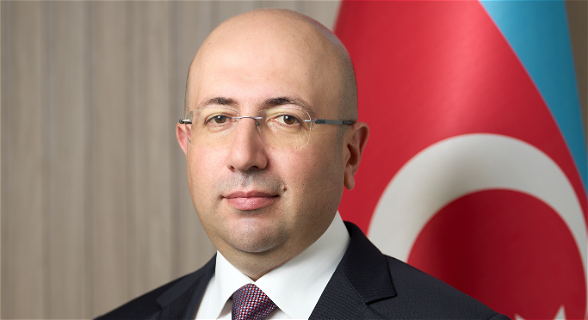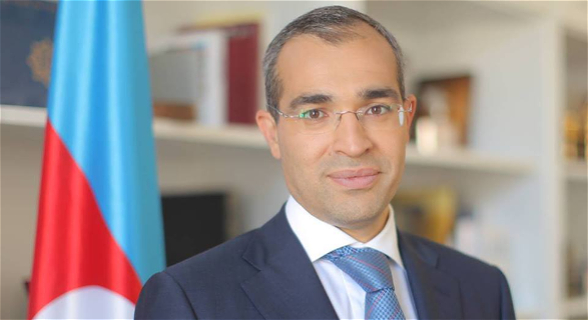
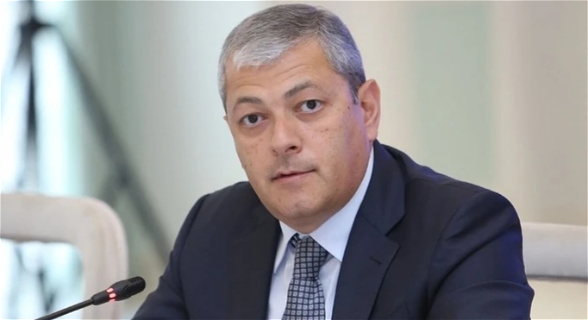
 Aydin Karimov
Special Representative of the President of the Republic of Azerbaijan in the Shusha district
Aydin Karimov
Special Representative of the President of the Republic of Azerbaijan in the Shusha district
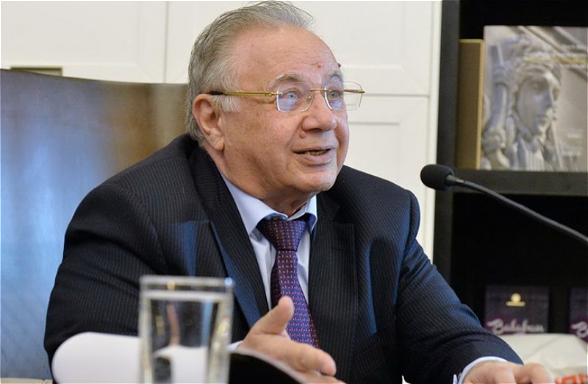
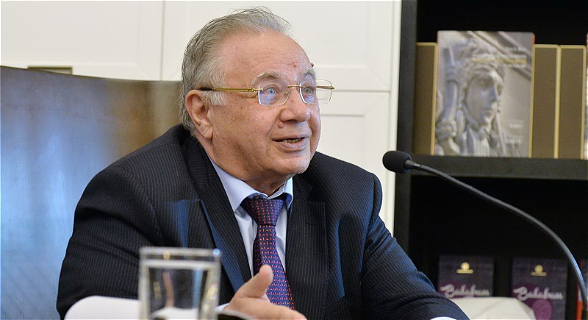
Hasan Hasanov
Former Prime Minister of the Republic of AzerbaijanIntro
In this interview, Hasan Hasanov, former Prime Minister of the Republic of Azerbaijan, and diplomat, discusses the political, military, and diplomatic challenges faced during his tenure and the conflict over Karabakh. He reflects on the historical events leading to the occupation of Azerbaijani territories, the involvement of international actors, and the broader geopolitical consequences.
Hasanov also shares insights into peace efforts, the role of global powers, and his personal experiences with key figures like Heydar Aliyev. He emphasizes Azerbaijan’s resilience and the strategic foresight of its leadership, particularly in the restoration and revival of the liberated territories.
Summary
In Hasan Hasanov’s opinion, the roots of the Karabakh conflict are deeply embedded in history, and its resolution requires understanding both the past and the present. Reflecting on his time as Prime Minister, he notes that while the Armenians had not fully invaded Karabakh during his tenure, the groundwork for the conflict had been laid through strategic military and political moves after the collapse of the Soviet Union. In Hasanov’s view, Armenia's aggression was fueled by the support of external powers like France, the United States, and India, which provided Armenians with military, financial, and political backing, despite international calls for peace.
Hasanov believes that the failure of global actors to fully understand or care about the complexities of the South Caucasus contributed to the prolongation of the conflict. He points out that powers such as France, influenced by a strong Armenian lobby, acted in their own national interests rather than in the interest of peace and security in the region. He is critical of leaders like French President Macron, who continued to arm Armenia after the 44-day war, despite the war officially ending. In his opinion, this demonstrates the geopolitical games that often prioritize political leverage over the pursuit of justice.
Reflecting on his diplomatic efforts, Hasanov recalls his historic trip to NATO, where he proposed that the South Caucasus should be declared a non-military zone with no armies for Azerbaijan, Armenia, or Georgia. He argues that the region’s long history of conflicts among these nations necessitated such an approach, which was ignored by the global community, leading to continued warfare. Hasanov also recounts his participation in various peace efforts and international negotiations, such as the 1996 Lisbon Summit, where Azerbaijan’s offer to grant autonomy to Nagorno-Karabakh within Azerbaijan was rejected by Armenia.
Hasanov also emphasizes the internal struggles Azerbaijan faced during the beginning of conflict in 1990s, with political instability and challenges in building a national army. He recalls how, during his tenure, Azerbaijani forces lacked the proper support and organization needed to counter Armenia’s military efforts, largely due to the decisions of the leadership at the time. Despite these difficulties, Hasanov remains optimistic, noting that the leadership of Heydar Aliyev and later Ilham Aliyev brought stability and strategic foresight that eventually led to Azerbaijan’s military successes, particularly during the 2020 liberation of Karabakh.
Discussing the broader historical context, Hasanov believes that Armenia has manipulated history to justify its claims over Karabakh. He highlights how Armenians spread myths about their ancient presence in the region, claiming ties that do not align with historical facts. He recalls his debates with Armenian diplomats, during which they relied on myths and legends rather than historical evidence. Hasanov stresses that this manipulation of history has been a key factor in Armenia’s ability to garner international sympathy and support, even when their claims are not grounded in reality.
Reflecting on the post-liberation period, Hasanov praises the ongoing efforts of Azerbaijan to rebuild Karabakh, noting President Ilham Aliyev’s direct involvement in every aspect of the restoration. He highlights the President’s foresight in planning the reconstruction of cities like Aghdam and the development of infrastructure, even before the territories were fully liberated. Hasanov believes that the meticulous planning and execution of these projects demonstrate Azerbaijan’s commitment to restoring the region not only for economic and strategic reasons but also for the emotional and cultural significance it holds for the Azerbaijani people.
Ultimately, Hasanov’s reflections are filled with a sense of national pride and resilience. He believes that the liberation and reconstruction of Karabakh mark the beginning of a new era for Azerbaijan, one in which the country can finally move beyond the trauma of occupation and focus on building a prosperous future for all its citizens.