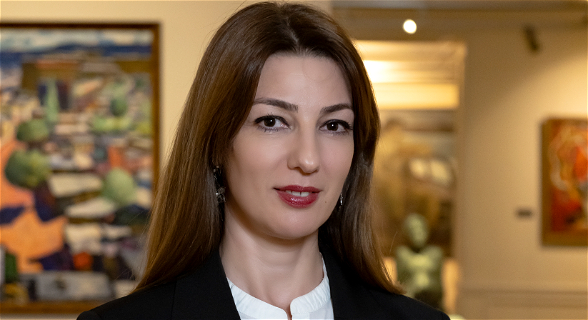
 Shirin Malikova
Director of the Azerbaijan National Museum of Art, former director of Azerbaijan National Carpet Museum
Shirin Malikova
Director of the Azerbaijan National Museum of Art, former director of Azerbaijan National Carpet Museum
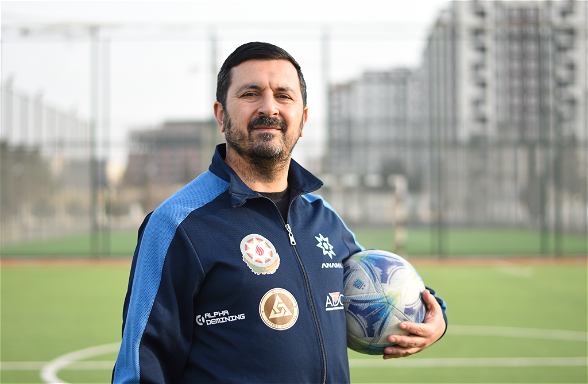
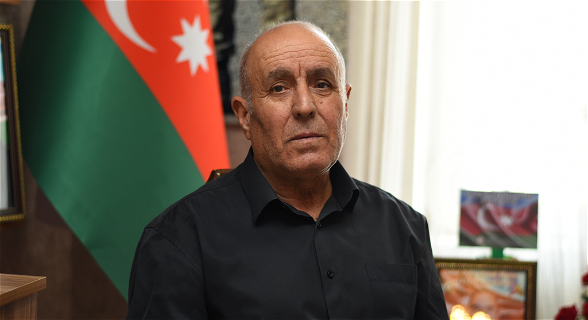
Ramil Habibov
Coach and player for Azerbaijan’s national amputee football teamIntro
In this interview, Ramil Habibov, a coach and player for Azerbaijan’s national amputee football team, reflects on his personal journey from childhood during the First Karabakh War to his current role in developing amputee football in Azerbaijan. He shares how working with war veterans inspired him to pursue coaching, emphasizing the importance of helping veterans regain their strength and sense of purpose through sports. Habibov also discusses the challenges and successes of the team, including their second-place finish in a European tournament, and his vision for the future of amputee football in Azerbaijan.
Summary
In Ramil Habibov’s opinion, sports, particularly football, have the power to transform lives and provide veterans with a renewed sense of purpose. He recalls that as a child during the First Karabakh War in 1992, he dreamed of fighting for his homeland, but his journey took a different path. Today, as a coach for Azerbaijan’s national amputee football team, he feels a deep sense of responsibility to work with veterans, many of whom lost limbs in the war. Habibov believes that by engaging in football, these veterans can overcome the psychological and physical challenges they face after their injuries, regaining a sense of normalcy and pride.
Habibov explains that his decision to become a coach was driven by his desire to give back to his country and help others. Working with amputee veterans has been both rewarding and challenging, but he feels that he is fulfilling a duty to support these individuals. He shares how the bonds formed between the players and himself have strengthened through their shared hardships, and he is grateful for the friendships that have developed. Habibov emphasizes that his work is not only about training players but also about fostering a sense of community and healing for those who have experienced the trauma of war.
One of Habibov’s key messages is the importance of not allowing veterans to stay isolated at home. He encourages people to join the amputee football team and participate in the sport, explaining that it helps them feel like healthy and active individuals.
Habibov sees this as a way to ensure that veterans continue to live fulfilling lives, even after their injuries. He mentions players like Seymur and Murad, who fought in the 44-day war and are now part of the amputee football team. Habibov takes pride in bringing these individuals into the team and helping them rediscover their strength through football.
Reflecting on the team’s successes, Habibov is proud of their second-place finish in a European tournament, where they competed against teams from countries like Scotland, Italy, Poland, and Turkey. He acknowledges that some teams, particularly those from larger countries, have more advanced programs and resources for amputee football, but he believes that Azerbaijan’s team is steadily improving. Their goal is to continue developing the sport in Azerbaijan, starting with educating and training younger players to build a strong foundation for the future.
Habibov is optimistic about the future of amputee football in Azerbaijan, and he remains committed to expanding the sport’s reach. He hopes that more veterans and civilians will be inspired to join the team, and he is determined to continue working toward victory on the international stage. For Habibov, coaching is not just about winning games—it is about providing hope and strength to those who have sacrificed so much for their country.