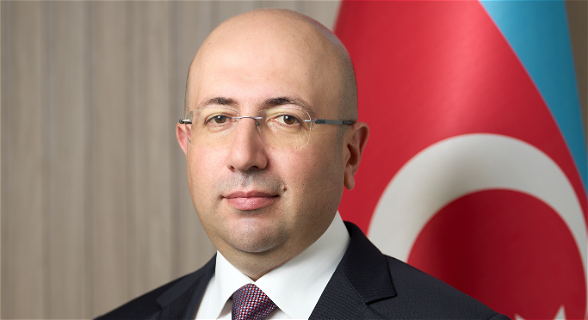
 Anar Guliyev
Chairman of the State Committee on Urban Planning and Architecture of the Republic of Azerbaijan
Anar Guliyev
Chairman of the State Committee on Urban Planning and Architecture of the Republic of Azerbaijan
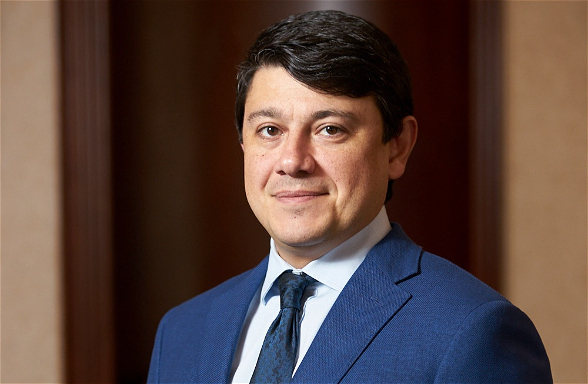
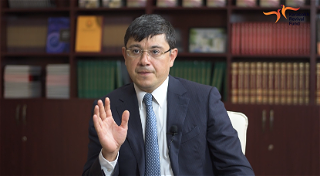
Fuad Muradov
Chairman of the State Committee on Work with Diaspora of the Republic of AzerbaijanIntro
In this interview, Fuad Muradov, Chairman of the State Committee on Work with Diaspora of the Republic of Azerbaijan, discusses the pivotal role of Azerbaijan’s diaspora in supporting the country during and after the 44-day war for the liberation of Karabakh.
He reflects on the efforts to maintain a strong connection between Azerbaijanis abroad and their homeland, emphasizing the importance of cultural identity and the integration of the diaspora into host countries. Muradov highlights the challenges of competing with the Armenian diaspora, the significant progress made in organizing the Azerbaijani diaspora, and the strategic initiatives aimed at engaging the younger generation through education, media, and youth programs.
Summary
In Fuad Muradov’s opinion, the Azerbaijani diaspora plays a crucial role in supporting the country’s national interests, especially during times of conflict. He expresses immense pride in how well-integrated Azerbaijanis abroad remain connected to their roots, despite living far from the motherland for many years. Muradov believes that maintaining this connection is essential, not only for preserving Azerbaijan’s cultural heritage but also for ensuring that the diaspora continues to contribute to Azerbaijan’s broader goals. He emphasizes that integration into the host country does not equate to assimilation, and the committee’s mission is to help the diaspora maintain its Azerbaijani identity while thriving in foreign societies.
Muradov reflects on the significant role played by the diaspora during the 44-day war for the liberation of Karabakh, highlighting the leadership of President Ilham Aliyev, whose daily speeches inspired and unified Azerbaijanis worldwide. He recalls that Azerbaijani communities abroad eagerly awaited updates from the president, tuning in to hear his steadfast defense of the nation’s right to reclaim its territories. In Muradov’s view, the war was not only a battle for land but also a fight for the future and identity of Azerbaijanis everywhere, including those who had never set foot in Karabakh.
When discussing the challenges posed by the Armenian diaspora, Muradov acknowledges that Armenia’s diaspora is older and more established, particularly in countries like France and the United States, where Armenian lobbying groups have been influential for decades. He points out that the Armenian diaspora has often acted in ways that are counterproductive to Armenia’s own state interests, particularly in hindering the peace process between Armenia and Azerbaijan. Muradov contrasts this with the Azerbaijani diaspora, which he believes is more closely aligned with the Azerbaijani state and works in its best interests.
Muradov explains that from 2018 onwards, the Azerbaijani government began intensifying efforts to organize the diaspora, with a focus on strengthening ties between diaspora members and their homeland. He and his team conducted more than 120 visits across the globe to meet with Azerbaijani communities, helping them address challenges they faced in their host countries while also encouraging them to stay connected to Azerbaijan. This outreach culminated in the creation of a road map for the diaspora’s development from 2019 to 2024, which has already achieved more than 90% of its goals. These initiatives include the establishment of Azerbaijani Houses, cultural programs, Saturday schools for children, and professional unions for doctors, engineers, athletes, and more.
In Muradov’s view, one of the most successful initiatives has been the creation of youth programs, such as summer camps for young Azerbaijanis living abroad. These camps provide opportunities for young diaspora members to visit Azerbaijan, learn about its history and culture, and engage in training sessions on public relations, fundraising, and media engagement. Muradov believes that these camps are vital for fostering a sense of belonging among the younger generation, many of whom were born outside of Azerbaijan but still feel a strong connection to their ancestral homeland.
Reflecting on the impact of the war, Muradov describes how the Azerbaijani diaspora mobilized to support the country through protests, public demonstrations, and direct engagement with international media. He notes that Azerbaijani diaspora members visited war-affected regions like Ganja and Barda as observers, documenting the destruction and sharing their experiences with the world. In his opinion, these efforts helped shift international perceptions and highlighted Azerbaijan’s legitimate claims to Karabakh.
Muradov is also optimistic about the future, particularly regarding the return of internally displaced persons (IDPs) to Karabakh. He notes that many members of the diaspora, especially those of Karabakh origin, are eager to return and contribute to the reconstruction of the region. Muradov believes that this enthusiasm is a testament to the strong connection between the diaspora and Azerbaijan, and he is confident that Karabakh will thrive once again, with the support of Azerbaijanis from all over the world.
Ultimately, Muradov views his work as a bridge between Azerbaijan and its global diaspora, ensuring that Azerbaijanis abroad remain connected to their roots while contributing to the country’s future success. He is proud of the progress made so far and is committed to continuing the development of diaspora engagement in the years to come.
Short videos
 Azerbaijan diaspora stays united across the globe
 Diaspora not a lobby—it's part of the nation
 Each country, each challenge, one response